Biography
James Kwon Sang-yeon
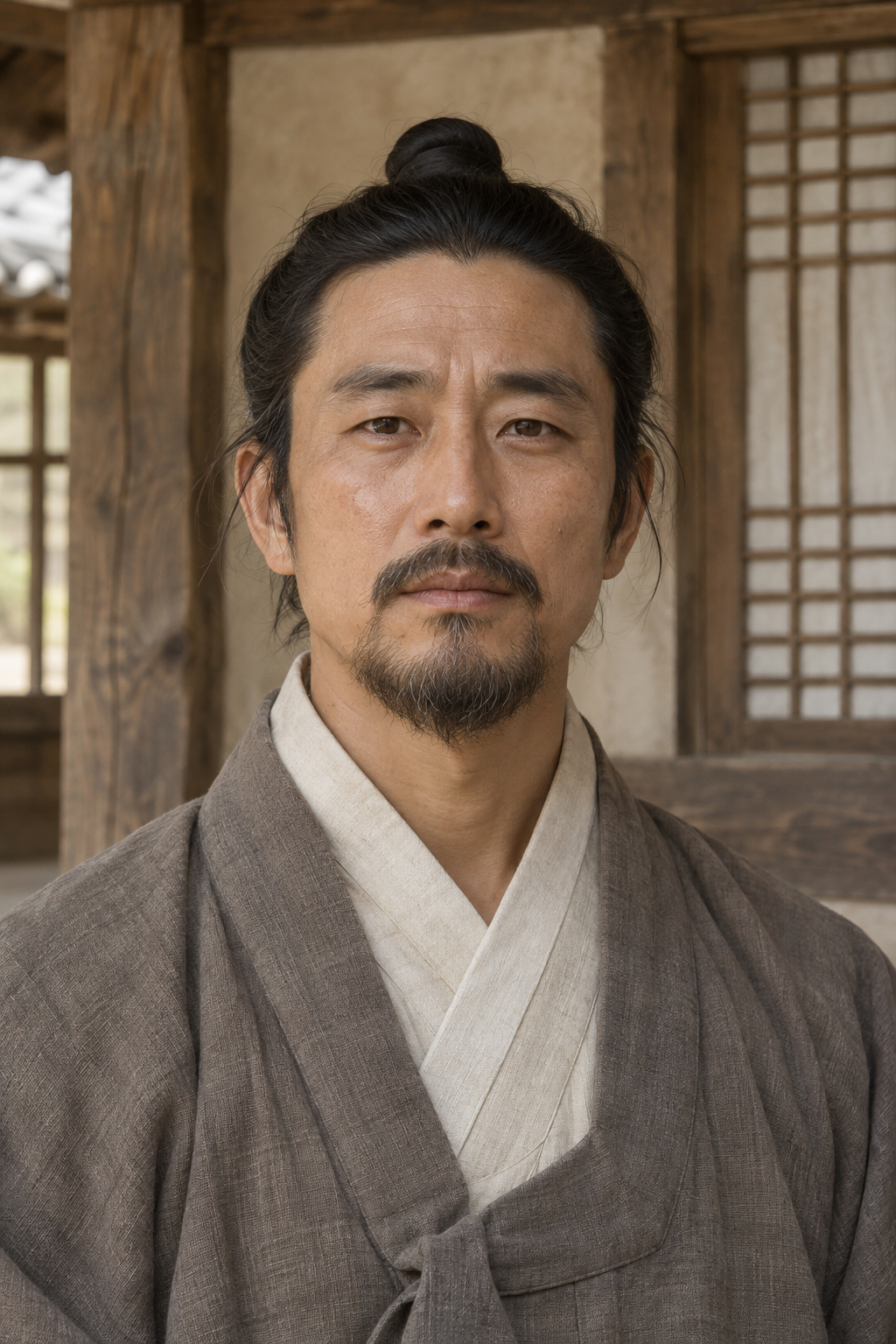
About James Kwon Sang-yeon
James Kwon Sang-yeon was born in 1751. He came from a family associated with Jinsan and had studied the Confucian learning expected of a scholar. His connection with Catholicism came through his cousin, Paul Yun Ji-chung. Kwon learned the teaching from Yun and made it the basis of his religious life. His Christian name was James.
The joint Korean Catholic Encyclopedia entry identifies his father as Kwon Se-hak and traces his family through Gongju to Jinsan. It describes him borrowing Tianzhu shiyi and Qike from Yun. Reading these works about God and the moral life opened the way to his conversion. That account places the two men in regular contact before their arrest, sharing books as well as the family ties through which the new religion often travelled.
Kwon became a Catholic around 1787. When Bishop Alexandre de Gouvea prohibited ancestral rites, he accepted the direction. The issue became immediate in 1791 when Yun’s mother, who was Kwon’s aunt, died. He supported his cousin in refusing the customary sacrifices. Relatives denounced their actions, and the dispute reached the authorities. Their refusal was treated as a violation of the duties owed to parents and ancestors, with implications extending to obedience to the ruler.
An order went out for their arrest. Kwon sought refuge in Hansan, in Chungcheong-do. When he learned that the Jinsan magistrate had detained Yun’s uncle in their absence, he decided to surrender. Kwon left his hiding place and presented himself at the Jinsan government office. There he defended their conduct as obedience to God rather than accepting the magistrate’s demand that he abandon his religion. The authorities sent him on to Jeonju with Yun. Questioning and punishment continued under the provincial government, and neither man accepted the demand to renounce his faith.
The copied trial narrative records that Kwon’s parents had died before his conversion and that he borrowed, but did not copy, Yun’s books.
The royal chronicle preserves another part of his examination. Kwon initially denied destroying the tablets. The report then records further interrogation and punishment, followed by his admission that he had secretly burned them and buried the ashes before the grave. These replies were obtained in an adversarial investigation. The copied Catholic narrative instead records his admission of personally burying the tablets, without the same admission of burning.
The case ended with a royal authorization for execution. Exhausted by punishment, Kwon was taken with Yun outside Jeonju’s South Gate. The Catholic account remembers him invoking Jesus and Mary on the way and at the execution ground. He was beheaded after his cousin on December 8, 1791. Their families obtained permission to recover the bodies nine days later. The two deaths became the first martyrdoms of the Korean Catholic Church.
Religious scholar Geum Jang-tae later interpreted the faith of both men through the books they had received and the prayers remembered at their deaths. He described their acceptance of Tianzhu, the Lord of Heaven, through the familiar Confucian term Sangje, the supreme deity. In his reading, that initial connection developed into a specifically Christian commitment. Their invocation of Jesus and Mary indicated familiarity with Christian prayer beyond the philosophical arguments of Tianzhu shiyi. This is a scholarly interpretation of their shared religious development, grounded in the transmitted accounts rather than a separate confession written by Kwon.
The Jeonju diocese identified Kwon’s remains in 2021 after graves at Bawubaegi were opened. The investigation combined inscribed grave objects with archaeological, anatomical and genetic evidence. Its conclusion rested on those sources together, rather than on a family genetic comparison alone.
An inscribed porcelain bowl from his grave records his personal name, his Andong clan and the courtesy name Gyeong-sam. Jeong Min’s discussion of the inscription also notes its indication that Yun’s grave lay to the right. The object thus preserved a record of Kwon’s identity and the neighbouring burial, supplementing the written accounts in which he so often appears alongside his cousin.
Wondering how to weigh the stories and sources? Learn how to read a saint biography.