Biography
Jildo Irwa
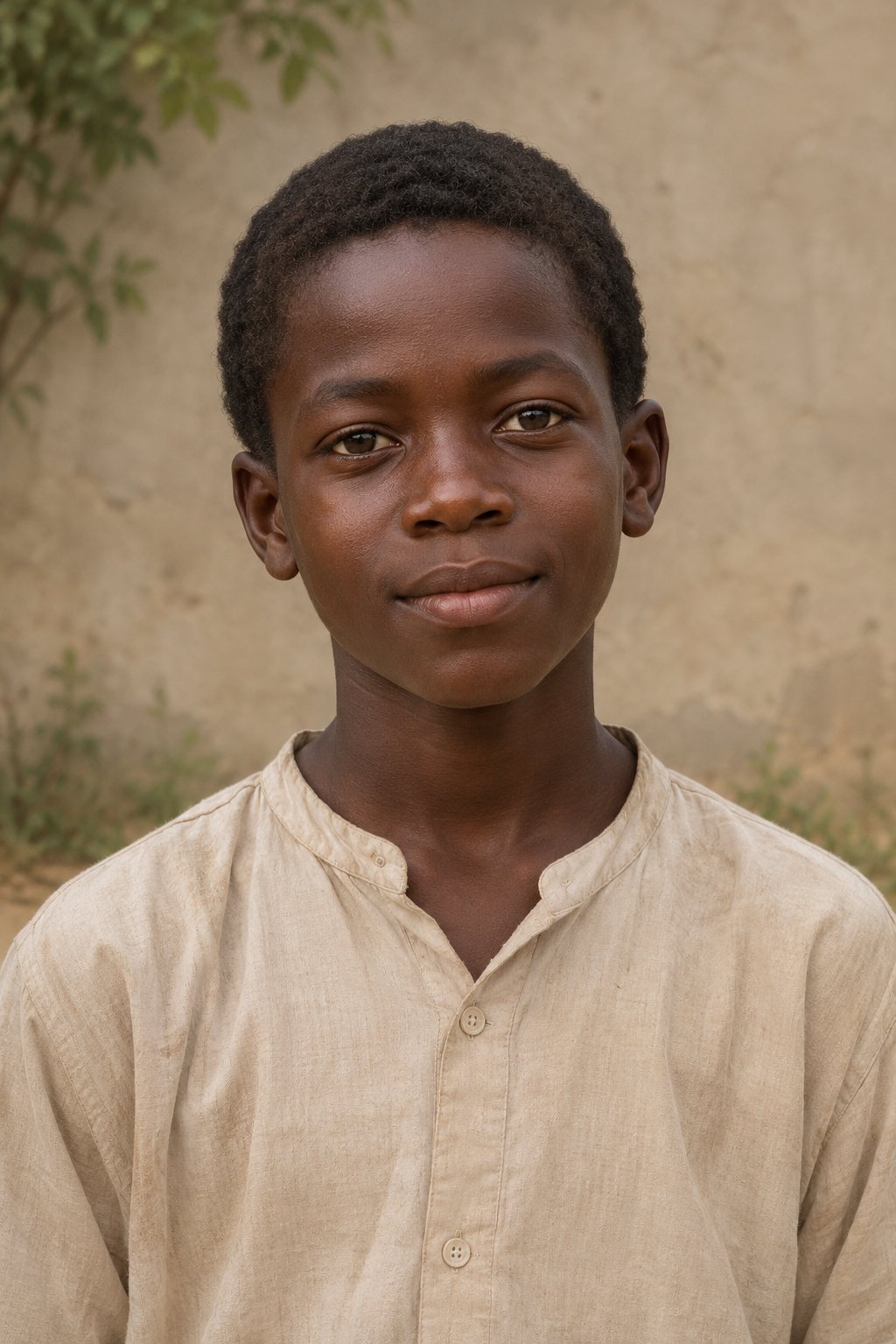
About Jildo Irwa
Jildo Irwa was born around 1906 at Bar-Kitoba, northwest of Kitgum in Uganda. His parents were Ato and Okeny. He received Christian instruction through the Comboni mission and was baptized in June 1916. He was younger than Daudi Okelo, the catechist whom he later accompanied to Paimol.
His father later recalled the missionary Cesare Gambaretto visiting the family and Jildo’s early acquaintance with him. Carraro’s account also preserves the father’s memory of bringing food to his son during instruction at Kitgum. These small domestic recollections give Jildo a presence beyond the circumstances of his death. They show his new religious commitment within relationships involving his family, the mission and other young learners.
Gambaretto remembered him as lively, gentle and intelligent. At Paimol he helped gather children for lessons and drew them into games and cheerful company. He also acted as secretary to the local vice-chief. His contribution to the mission included an ability to bring other young people together.
The opportunity came after the death of Antonio, the catechist previously serving Paimol. Daudi offered to take the post, and Jildo went as his assistant. They arrived in 1917 and carried out their work for only about a year. Both were recent converts entrusted with teaching others. Their journey took them away from the mission centre to a community where support and supervision were less immediately available.
Although both were Acholi, they did not belong to the same clan as the people of Paimol. Their work therefore crossed an important local boundary. They were African teachers carrying a faith they had recently embraced into another community. The historical account places this movement within a region already unsettled by resistance to British colonial policy, rather than presenting Paimol as an isolated setting.
British intervention in local leadership intensified existing tensions. The removal of a hereditary chief and the appointment of a replacement helped provoke revolt in October 1918. Alava’s study connects the attack on the catechists’ compound with that uprising and describes the suffering of other people caught in it. Her interpretation emphasizes that religious affiliation and colonial power were entangled. This historical setting complicates any simple division between a wholly religious story and a separate political one.
During the attack that killed Daudi, Jildo also refused to abandon their work. The Catholic narrative remembers him insisting that he too had taught Christianity. He was then killed with a spear. His remembrance centres on loyalty to their shared responsibility.
The formal investigation was completed many decades later. The Church recognized the two as martyrs in 2002, and John Paul II beatified them that October. Jildo is honoured as a blessed lay catechist and martyr. His young age and the short interval between baptism and death remain central to the way Catholic accounts remember him.
At the Wi Polo Paimol shrine, their memory became the focus of an annual pilgrimage. In 2016, Archbishop Odama encouraged the pilgrims to give thanks, learn from the catechists’ fidelity and praise God. His homily placed the commemoration within the Church’s Year of Mercy. The shrine gave that shared remembrance a continuing local setting.
The anniversary gathering in 2026 again brought clergy, religious and lay pilgrims to Wipolo. The preaching presented Jildo and Daudi as examples of conviction, courage and perseverance. Jildo’s enduring Catholic memory is thus joined to his companion’s, yet retains the particular figure of a younger assistant whose lively manner helped children approach the lessons he and Daudi offered.
Wondering how to weigh the stories and sources? Learn how to read a saint biography.