Biography
Job Yi Il-eon
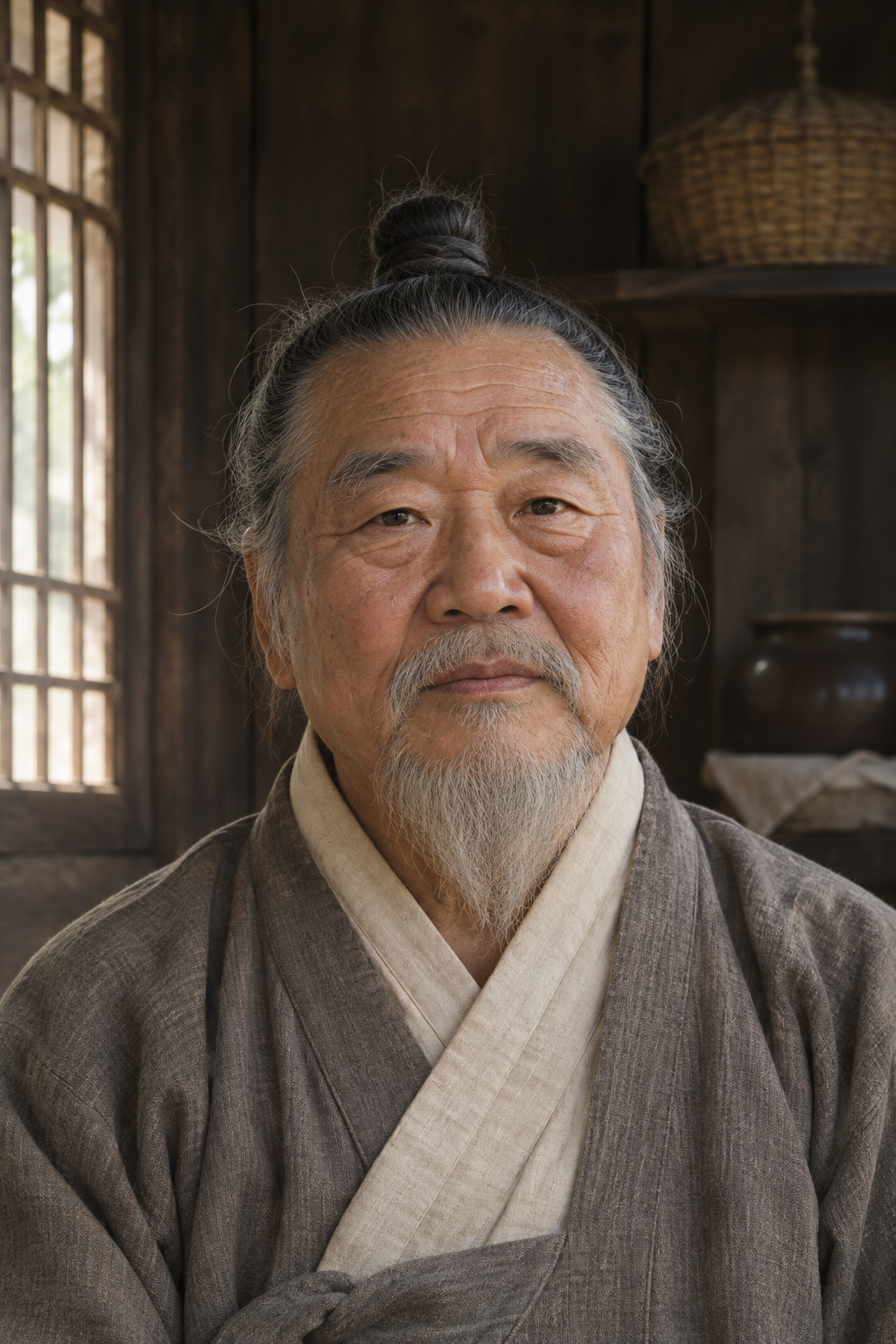
About Job Yi Il-eon
Job Yi Il-eon was born in Daebeol, a village in the district of Hongju. His father, Yi Jeom-son, taught him the Catholic faith. Tae-mun was another of his names. Later in life many people knew him simply as Yi of Anui. Anui was neither his birthplace nor the place where he died. It was the district to which the authorities sent him when he was first arrested. His exile there lasted long enough for its name to follow him when he left.
Cha Gi-jin dates Job’s conversion to his early thirties. In 1801 he was arrested during the persecution that reached his home district. He continued to profess his faith. His sentence was banishment to Anui in Gyeongsang Province. In Cha’s account, an exile was required to remain in the district assigned to him. The sentence did not entitle the local magistrate to put him in jail. Nevertheless, the magistrate and his officers took a dislike to Job, and prison was where he spent the next ten years.
The harshest deprivation was food. Sometimes he ate daily, sometimes only once in two days. There were also times when they withheld water. Son Suk-gyeong relates that the local officials gradually softened toward him. He eventually exchanged the jail for detention in a private house. Although he remained an exile, he could once again live among people outside the prison. The county history adds that someone stood surety for him, allowing him to go outside and work after his release from the jail.
In 1815 his wife traveled to Anui and joined him. The couple could at last live together, although Job still had to stay in the district. Only in May 1826 could they leave Anui. They made a home at Daepan in Imsil, across the provincial boundary in Jeolla. It was twenty-five years since his arrest.
The county history of Imsil gives Job a particular place in the story of his new home. Catholic teaching had already reached towns farther north and west in Jeolla, including Jeonju. The inland district of Imsil had a different history. The county’s account credits Job with bringing Catholicism there. He came as a former exile with a family, and the little time he spent at Daepan connects the beginnings of the local Church with his long years in Anui.
Job taught his neighbors in Daepan. When news of fresh arrests reached the village in 1827, his wife urged him to leave. He stayed. They learned that he looked on his former exile as a lost opportunity to give his life for his faith. Now he wondered whether anyone would even seek him out in their remote village.
Three days later officers arrived from Jeonju. Job went with them willingly. At the provincial office the magistrate learned of his earlier arrest and ordered a severe beating. The Church’s account remembers that Job was small in stature. Some of those watching had expected him to give way quickly. After days of questioning they began to speak of him as a leader among the Catholics.
In the intercalary fifth month of 1827 the Ministry of Punishments reported on seven cases, naming Job alongside Paul Yi Gyeong-eon and Peter Sin Tae-bo. The ministry told the court that the charges against the seven had been established and asked leave to proceed on the provincial report. An official recommendation in that year still left Job facing years of uncertainty in Jeonju prison.
During those years Job shared confinement with other Catholics, including Peter Kim Dae-gwon. Sister Anna Kim Ok-hui recounts that on three occasions Job was required to sign his death sentence. Each time he signed. Twelve years elapsed between his arrival at Jeonju and the execution order. In a later diocesan illustration paired with Sister Anna’s account, Tak Hui-seong recalled the slight figure whose endurance had surprised the people sent to question him.
In spring 1839 the ministry named Job individually. Officials accused him of disregarding the prohibition and emphasized that he had already taught many people. His teaching, remembered in Imsil as the beginning of the local community, was the very conduct the government cited in asking that the law be carried out.
On May 29, 1839, Job was taken with four companions to the marketplace at Jeonju. His children followed him and wept. The Church’s account preserves the sense of his reply. He believed that the road to heaven was open to him and asked them to rejoice with him and remain faithful themselves. He was beheaded that day.
The county history acknowledges how little is known of the children who walked behind him. It suggests that they might have moved nearer to Jeonju while he was imprisoned. Their presence at his execution is remembered, but where his wife and children made their home after his death remains uncertain.
Wondering how to weigh the stories and sources? Learn how to read a saint biography.