Biography
John Baptist Nam Chong-sam
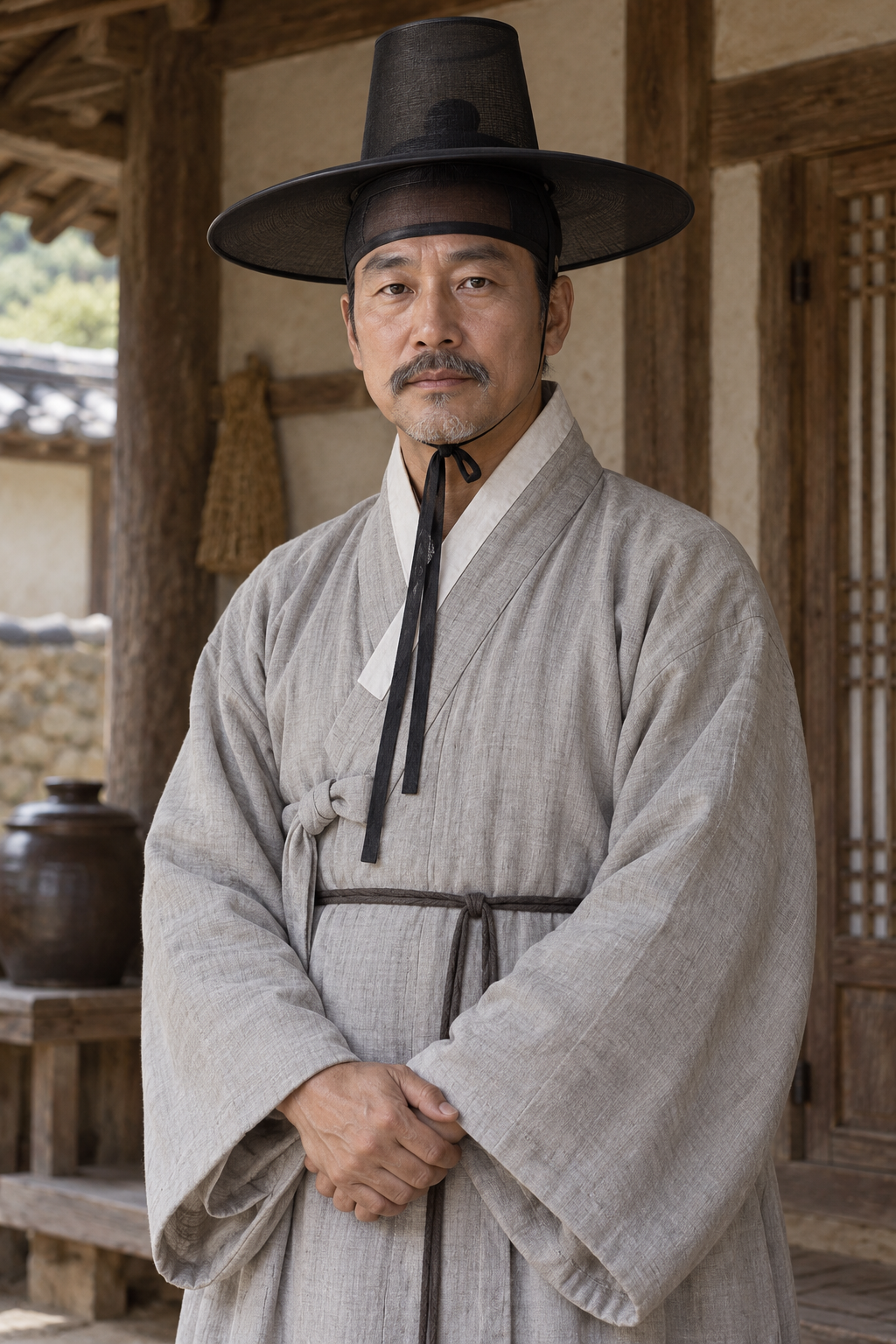
About John Baptist Nam Chong-sam
John Baptist Nam Chong-sam was a Korean scholar and government official whose Catholic commitments became entangled with a proposal for foreign diplomacy. He was born into the Nam family and became the adopted son of his uncle, Augustine Nam Sang-gyo. His adoptive father influenced his learning and his understanding of religion. After passing the civil examination in 1838, John held posts in the royal administration and served as a local magistrate. He later undertook educational work at the royal court.
The bishops’ conference account describes the difficulty of combining public office with his religious life. Official duties brought expectations that he would participate in rites he believed conflicted with his faith. He also had relatives who depended on his income. The account recalls his efforts to help poor people and to act according to his conscience within those constraints. After leaving his regional post, he taught Korean to foreign missionaries. Financial pressure later drew him back to work in Seoul, where his court responsibilities brought him into contact with the regent.
John proposed an alliance with Western powers to counter Russian pressure and secure religious freedom. The plan failed.
Before his arrest, John visited his adoptive father and the seminary at Paeron, where he sought confession. He was later captured while returning toward Seoul.
The court’s sentence gives a very different view of the diplomatic proposal. It accused John of promoting a prohibited religion, associating with foreign missionaries and advocating an alliance with France. Officials characterized those activities as a threat to the kingdom. The sentence also alleged that he had helped shelter missionaries and had changed his name while evading arrest. These are the prosecution’s accusations, preserved in an official record; its hostile descriptions are not neutral judgments of his character. The translated record ordered John and his fellow Catholic intermediary Hong Pong-chu to be beheaded without delay. It shows that religion, dealings with foreigners and the authority of the state were considered together in the case against them.
The personal-status section names Nam Sang-gyo as his living father and records his family’s association with Chungju in Chungcheong. It names deceased parents and grandparents alongside the charges. These identifying particulars appear within a hostile prosecution document, whose language describes him as disloyal even while reporting his defense of Catholicism. They should be read with the independent account of his adoption.
John endured torture during questioning and was condemned to death. He was beheaded outside Seoul’s Small West Gate on March 7, 1866. The bishops’ conference preserves the account of him calling on Jesus and Mary at his death.
The danger extended to his family after his execution. A joint petition from the State Council and the censors demanded that the law authorizing the deaths of the condemned men’s wives and children be applied. The petition argued that execution of the two men alone had not adequately punished their offenses. The royal response rejected that demand, saying that the prescribed punishment had already been carried out. The same day’s record nevertheless ordered inquiries into people connected with the case and the confiscation of the condemned men’s property. The refusal to order the family members’ deaths therefore did not end the consequences of the prosecution. These orders distinguish the officials’ request for further executions from the decision actually recorded by the court.
The court also considered the position of John’s adoptive father and the sons of the two condemned men. An order directed that Nam Sang-gyo be confined at Gongju and the sons at Jeonju. The accompanying response acknowledged that the older man was above the legal age for the proposed punishment and that the children were below it. It nonetheless recorded their continued detention, leaving the family exposed to further coercion after John’s execution.
A later report identified John’s wife and children and proposed sending them to several different districts as slaves. The royal order instead directed that his wife, two daughters and son be sent together to Changnyeong. The order retained the sentence of servitude. The record gives evidence of the punishment imposed on the household after John’s death, while also showing the difference between the tribunal’s proposed destinations and the final instruction.
The tribunal proposed separating his wife and three children among Changnyeong, Sancheong, Yeongsan and Uiryeong. The king’s instruction kept them together in Changnyeong. The document calls his wife Lady Yi and reports the three children individually, showing the household members affected by the order.
The Korean Catholic Encyclopedia describes John’s defense of his faith as compatible with loyalty to the king and care for the country. It reports that the state later cleared the treason charge against him in 1885. His life brings together the work of a scholar, the obligations of public service and an attempt to find room for Catholic practice within the kingdom.
Wondering how to weigh the stories and sources? Learn how to read a saint biography.