Biography
John Buonagiunta Monetti
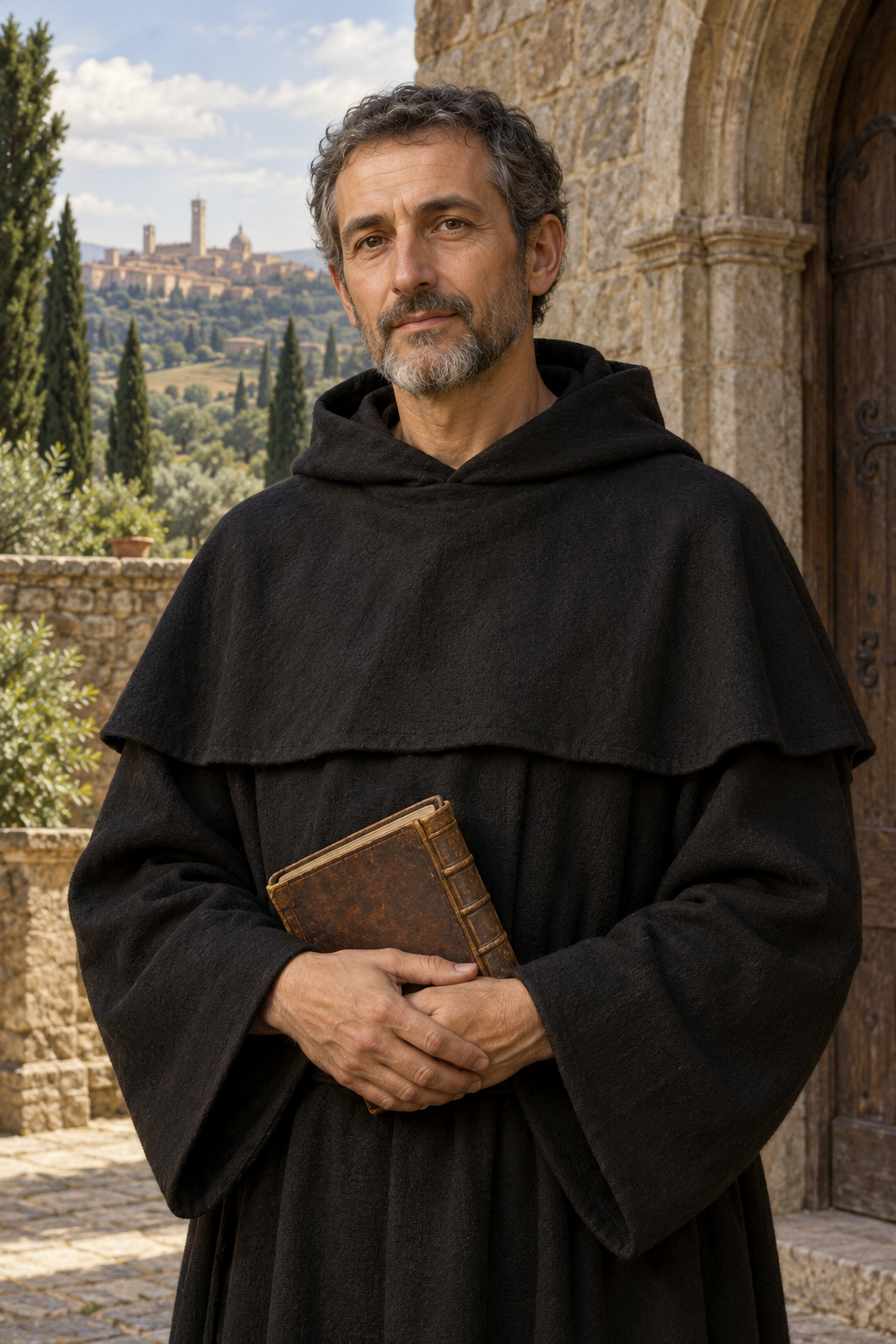
About John Buonagiunta Monetti
Bonagiunta of Florence is honored as one of the Seven Holy Founders of the Servants of Mary, usually called the Servites. The Church remembers these men together as Florentine merchants who left their businesses for a shared life of prayer, poverty and devotion to Mary. The Dicastery for the Causes of Saints identifies Bonagiunta as a prior of the community in 1256–1257.
He also appears in English devotional usage as John Buonagiunta Monetti.
The surviving evidence for his individual life is much narrower than the later stories of the seven founders. Historian Raffaele Volpini distinguishes the documented friar from the detailed founding narratives assembled centuries afterward. Bonagiunta certainly belonged to the early community and served as its prior general, but his inclusion in a precisely identified group of seven rests on later tradition.
An archival collection published by the Servites lists Bonagiunta among the brothers who made a commitment to poverty at Cafaggio on October 7, 1251. The agreement excluded their ownership of landed property: gifts were to belong to the pope and Roman Church, with the local bishop directing their use and supporting the friars when necessary. This gives a concrete glimpse of the community in which he lived, beyond the later devotional accounts.
Documents discussed by Volpini then name him in transactions for the Florentine house in 1256 and 1257. His leadership was brief. By September 1257 another prior general had succeeded him. Volpini cautions that neither the date of his death nor the familiar August 31 anniversary can be established from dependable contemporary evidence.
The Servite collection identifies his successor as Iacopo da Siena and places that succession in 1257. Its notes correct the confused chronology found in a later life of Philip Benizi.
Bonagiunta’s remembrance belongs to the shared celebration of the seven founders. Leo XIII canonized them together on January 15, 1888, and their liturgical memorial falls on February 17. The surviving records support a modest account of an early friar and leader; they do not supply a detailed personal biography.
Wondering how to weigh the stories and sources? Learn how to read a saint biography.