Biography
John Maron
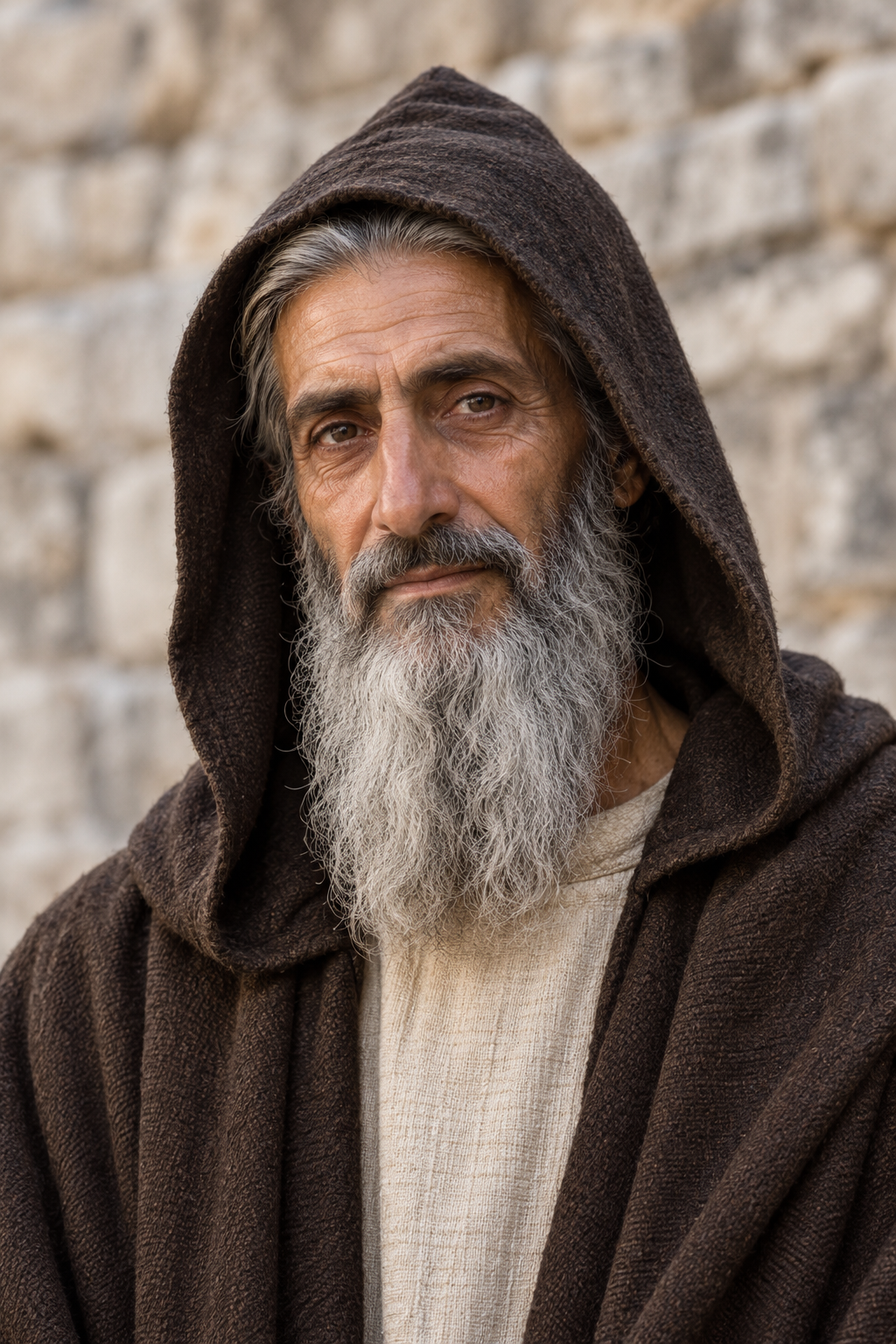
About John Maron
John Maron is honored as the first patriarch of the Maronites. The Maronite Synod describes this as an inherited tradition, conveyed by Patriarch Stephen Doueihy. In that account, John was a monk and then superior of the monastery of Saint Maron before becoming patriarch. His feast falls on March 2.
He should be distinguished from Maron, the earlier ascetic from whom the Maronite Church takes its name. The Synod places the emergence of an independent Maronite patriarchate between the end of the seventh century and the first half of the eighth, without assigning a precise founding year.
The early biography is difficult to establish. The scholar Irénée-Henri Dalmais notes that Gabriel el Qla’i presented a life of the first patriarch only in the early sixteenth century. Dalmais questions John Maron’s historical existence and suggests that writings transmitted under his name may belong to John bar Penkaye. This leaves a substantial gap between the church’s traditional account and what historians can securely reconstruct. Precise dates and detailed episodes should therefore not be treated as settled history.
The devotional story remembers a pastor attentive to suffering. The Maronite synaxarion portrays him visiting sick people during an epidemic and praying for their healing. It also associates him with churches, monasteries and an anaphora, the central prayer of the liturgy. These belong to the received religious narrative; they do not supply contemporary documentation of his activities.
His commemoration has traveled with Maronite communities. In Buffalo, a parish formed in 1903 chose John Maron as its dedication. Its history remembers the community as a gathering place for Lebanese Catholics in western New York.
Wondering how to weigh the stories and sources? Learn how to read a saint biography.