Biography
John of Parallos
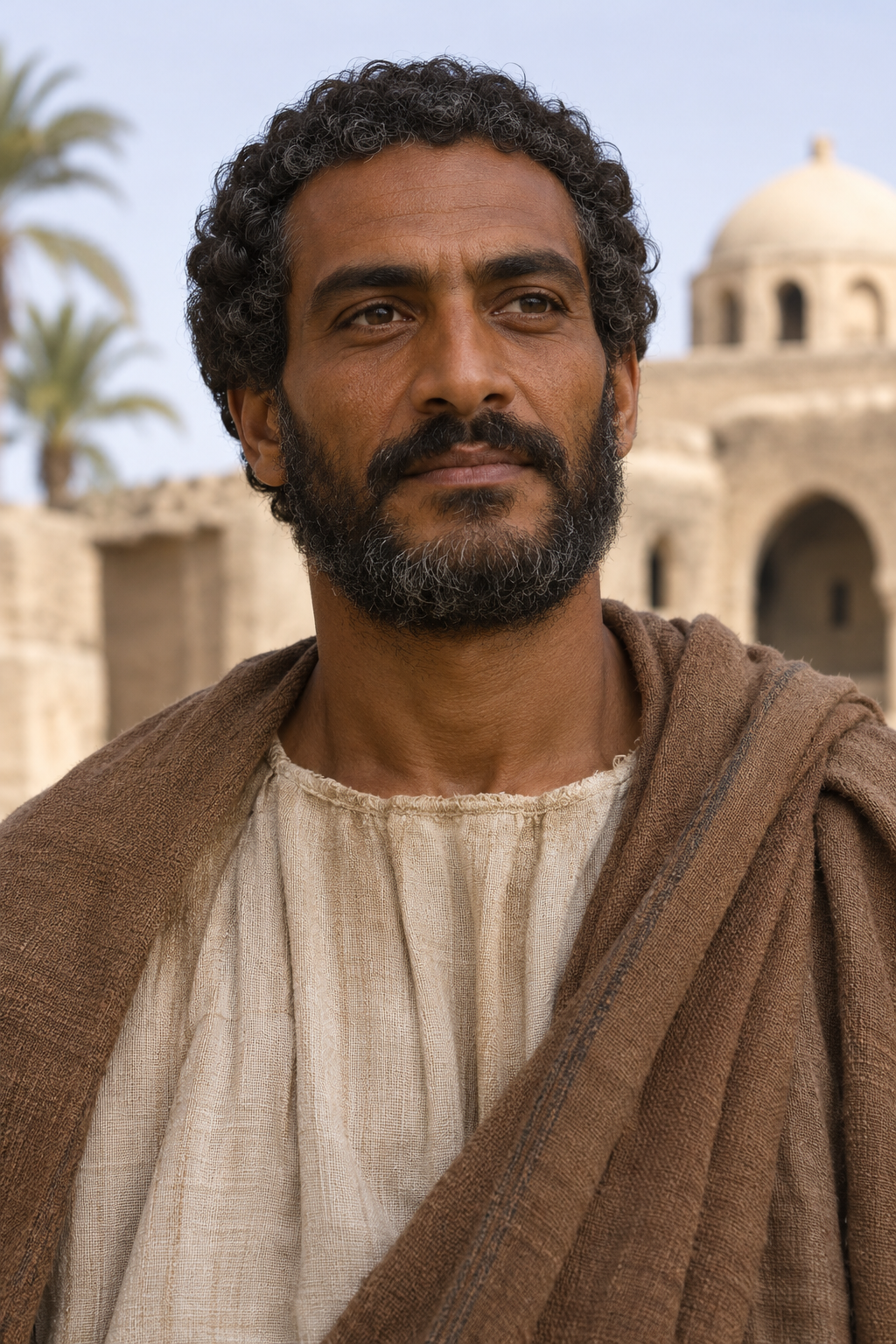
About John of Parallos
John of Parallos was a sixth- or early seventh-century bishop and theologian in Lower Egypt. The Coptic Encyclopedia identifies him with the bishop of Nikiou and gives a probable lifespan of about 540 to 610 or 620. A modern study by Phil Booth associates him with Burlus, or Paralos, on the Mediterranean coast. The differences in episcopal title reflect the uncertainties of the source record. John’s writings and church activity place him among the important Coptic leaders working through the doctrinal divisions that followed the Council of Chalcedon.
The Coptic Encyclopedia says John came from a respected clerical family and was known for charity. After his parents died, he used his inheritance to build a hospice and personally cared for sick and wandering people who came there. A monk who visited the hospice persuaded him to give up his possessions and pursue an ascetic life. John entered the Monastery of Saint Macarius at Scetis under the abbot Daniel, then later withdrew as a hermit. The account presents a life that moved from public care to monastic solitude before John’s later episcopal service.
John was probably ordained around 576 by Patriarch Peter IV. His theological work shows a learned churchman fluent in Coptic and Greek, and possibly Syriac. He defended what he considered the recognized faith and challenged writings he believed introduced teachings beyond Scripture. His homily about the archangel Michael criticized several books circulating in Sahidic, including The Institution of Saint Michael. He also opposed traditions about the angel Abbaton and stories that supplied additional accounts of the creation of angels or the fall of Satan. His stance was not a general rejection of religious writing: it was an effort to define which texts could guide church teaching.
The Coptic Encyclopedia says John examined monastic libraries and burned books he judged heterodox. It also reports that he helped seven groups of Christians return to the official faith and challenged two visionary monks whose claims about Michael and Habakkuk had attracted followers. These episodes show how doctrinal authority could become practical conflict over books and religious leadership. The same source notes that John faced opposition not only from a strong Syrian community in Lower Egypt but also from Christians within his own circles. His legacy therefore includes both theological influence and the coercive destruction of writings he considered dangerous.
John wrote on the Resurrection, the Last Judgment, and biblical passages from the Psalms. Other works addressed orthodox faith and included thirteen anathemas against Christological errors. He also composed a Life of the Virgin Damiana. The original works were in Coptic, although they survive in Arabic or Ethiopic translation. Because several writings survive only through later translations, the precise shape of their original circulation is difficult to reconstruct. Their range nonetheless shows a bishop who combined preaching, doctrinal argument, scriptural interpretation, and hagiography.
John became involved in the dispute between Patriarch Damian of Alexandria and Peter of Callinicum in Syria. He stayed in Syria for four months to assist Damian and may have helped draft the patriarch’s treatises. This places John within a transregional church debate, not only a local episcopal dispute. His career is known chiefly through later synaxarion material and studies of his surviving works; Booth notes that the dates of his consecration and death remain unknown. John is remembered for a combination of charitable care, monastic practice, doctrinal writing, and active participation in Coptic church politics.
His homily on Michael shows the kind of boundary he was trying to draw. John criticized Sahidic books that circulated in orthodox churches but, in his judgment, offered unauthorized revelations. The Coptic Encyclopedia names The Institution of Saint Michael among the works he condemned. John objected to accounts about the creation of angels and the fall of Satan when they went beyond Scripture, and he rejected teachings about Abbaton, the angel of the dead. The text itself did not disappear: Sahidic and Fayyumic versions of The Institution of Saint Michael were copied in the second half of the eighth century and later found at a monastery in the Fayyum. John’s polemic therefore records both his opposition and the persistence of the writing he opposed.
The Synaxarion account, as summarized by Müller, places John in a contested religious landscape. He confronted two visionary monks who claimed inspiration from Michael and the prophet Habakkuk and had attracted followers. His efforts to bring seven groups back to what the account calls the official faith did not erase opposition. The encyclopedia names a strong Syrian community in Lower Egypt and opponents within John’s own circles; it also notes that later patriarchs did not all follow his positions. These disputes make his record more complicated than a simple story of a bishop correcting outsiders: the arguments involved rival claims to revelation, books used in worship, and disagreement among Christians who shared the same region.
John’s surviving literary legacy is known largely through translations rather than complete Coptic originals. The catalogue includes works on the Resurrection and Last Judgment, interpretations of two Psalms, treatises on the orthodox faith, and thirteen anathemas directed against Christological errors. He also composed a Life of the Virgin Damiana. The Coptic Encyclopedia says these works survive in Arabic or Ethiopic. Their subjects span preaching, scriptural exposition, doctrinal controversy, and the lives of holy people; they reveal a bishop whose writing served both pastoral instruction and the defense of church teaching. The lost or translated form of the corpus also limits how confidently modern readers can reconstruct his original wording and audience.
Wondering how to weigh the stories and sources? Learn how to read a saint biography.