Biography
John of Tufara
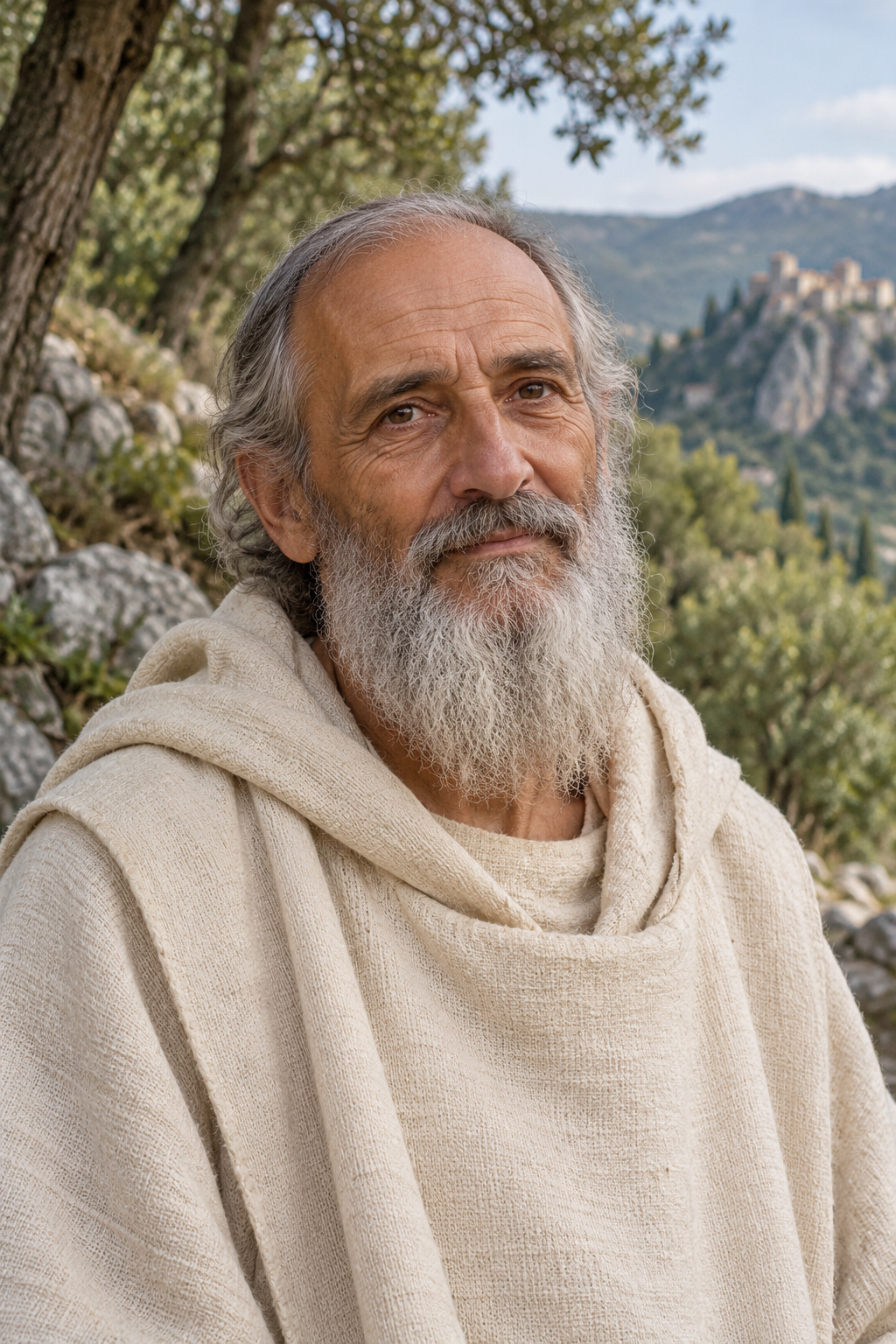
About John of Tufara
John of Tufara was a hermit and the founder of Santa Maria del Gualdo Mazzocca, a monastery in the Fortore Valley. Giuseppe Carozza’s account for the Archdiocese of Campobasso-Bojano describes a man drawn to solitude whose reputation also gathered a community around him. He became its first prior.
John came from Tufara. The familiar birth year of about 1084 is less secure than it appears: Donato D’Amico explains that it is calculated from the chronology of his later life, whose accounts give differing lengths for his years as a hermit. The early biography also tells of a journey to Paris for study. D’Amico cautions that this episode may reflect a literary pattern of spiritual searching and cannot be established with certainty.
The diocesan account traces his search for solitude through several places in the region. Followers eventually joined him, and a local benefactor provided a church at San Firmiano near Foiano. John still sought a more secluded dwelling. The narrative describes a later move to the wooded heights of Mazzocca, followed by the establishment of the monastery. A papal letter of 1156 directed the religious to follow the Rule of Benedict.
The early account depicts an austere way of life. D’Amico notes a change in its description of John’s clothing, from animal skins to a plain, undyed white tunic. He reads this as part of the transition from solitary ascetic life toward an organized monastic community. Such details belong to the biography’s presentation of its founder and his religious ideal.
John died at Santa Maria del Gualdo Mazzocca on November 14, 1170. In 2013, the Congregation for the Causes of Saints clarified that the elevation and translation of his remains on August 28, 1221 constituted an episcopal canonization under the procedure then in use.
Tufara’s municipal account records a continuing devotion to its patron. It lists celebrations in June, August and November, each with a different emphasis. The August observance recalls the recognition of his sanctity and the arrival of a relic in the town. For the November feast, local people prepare and distribute small loaves called panelle. The custom is linked to a miracle story about bread given to workers; the story belongs to devotional tradition.
On August 26, 2023, Cardinal Marcello Semeraro preached at the shrine in Foiano for John’s official proclamation as patron of the Fortore Valley. His homily connected solitude with attention to other people, especially those in need. It presented John’s monastery as a place where prayer and practical charity belonged together. This remains a central theme of the way the local Church remembers him: a search for God that also made room for neighbors.
Wondering how to weigh the stories and sources? Learn how to read a saint biography.