Biography
John the Prophet of Gaza
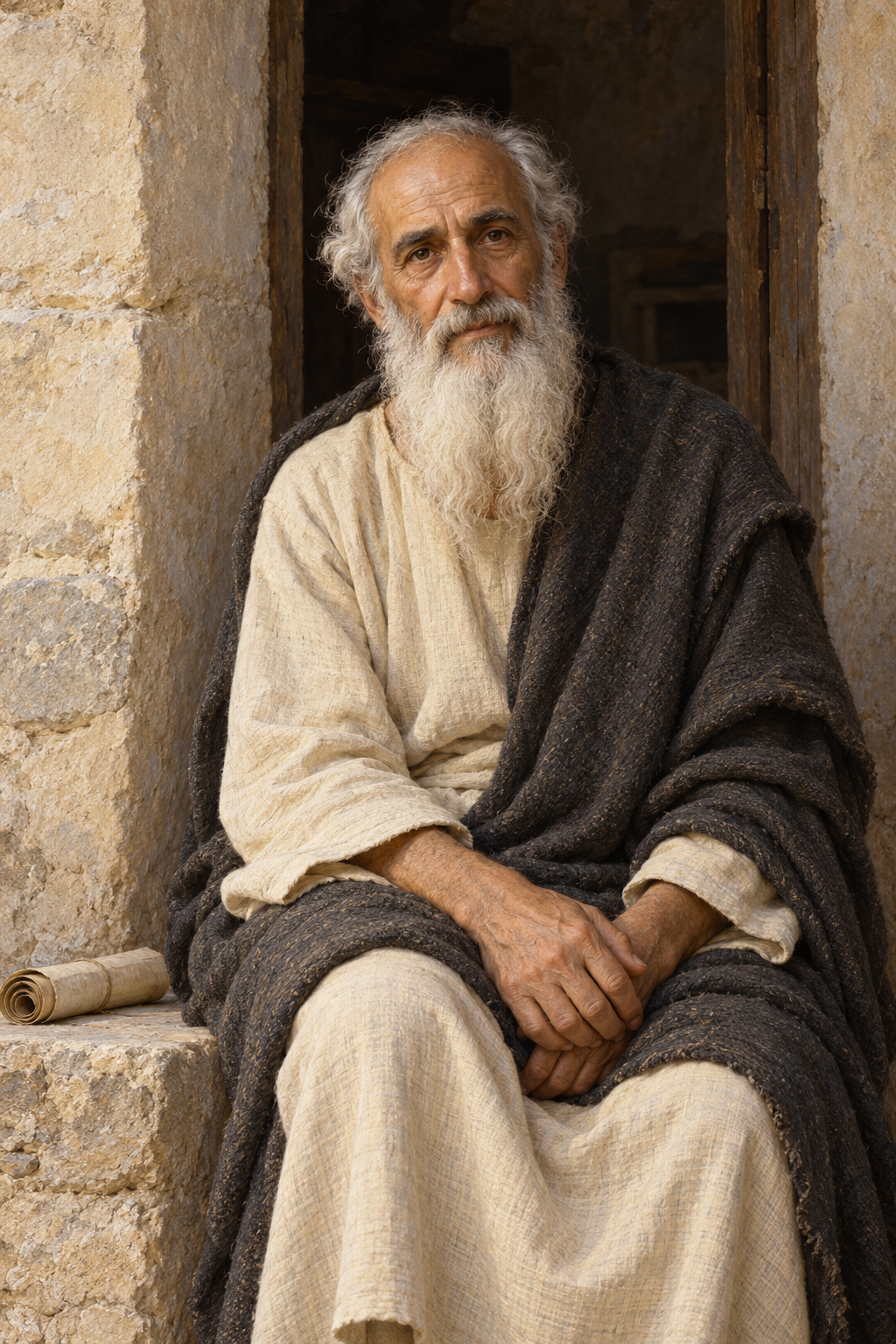
About John the Prophet of Gaza
John the Prophet of Gaza was a sixth-century monk whose advice reached people beyond his secluded cell. John Chryssavgis places his arrival beside Barsanuphius between 525 and 527. The two became partners in spiritual guidance near the monastery of Seridos. John was known as the Other Old Man, while Barsanuphius was called the Great Old Man. Dorotheus of Gaza served as John’s attendant and scribe.
The Orthodox Church in America notes that John’s home and family are unknown. Its account associates his title, the Prophet, with a traditional reputation for spiritual discernment and foreknowledge.
Chryssavgis estimates that roughly 450 of the approximately 850 letters in the joint collection belong to John. He characterizes John’s replies as especially concerned with practical affairs. Together, the elders addressed monks, laypeople, officials and church leaders. Questions concerned illness, property, marriage, legal difficulties and other responsibilities. Their answers were personal responses, rather than a formal rule imposed uniformly on a monastery.
In one reply, John rejects withholding a winepress from Jewish customers, appealing to God’s generosity toward everyone as a reason for merciful conduct.
Jennifer L. Hevelone-Harper explains that a member of the community gathered them shortly after John’s death and Barsanuphius’s complete withdrawal from contact. She identifies Dorotheus as a possible compiler, rather than a certain one. The editor arranged the material by recipients instead of chronological order.
Her account distinguishes several groups within the collection: individually named monks, unnamed members of the community, the newly appointed abbot Aelianos, lay Christians and civic or ecclesiastical leaders. The earliest surviving manuscripts she identifies date from the eleventh century.
His death is usually placed near the middle of the sixth century. The biographical text in BiblIndex proposes 543–544, shortly after Seridos, although the same entry displays a conflicting date in its metadata.
The Orthodox Church in America commemorates John with Barsanuphius on February 6.
The French Catholic calendar Nominis also explicitly calls John a saint in its entry for Barsanuphius.
Chryssavgis traces the teaching’s later influence through Dorotheus and subsequent monastic writers.
Wondering how to weigh the stories and sources? Learn how to read a saint biography.