Biography
Joseph Ko Seong-un
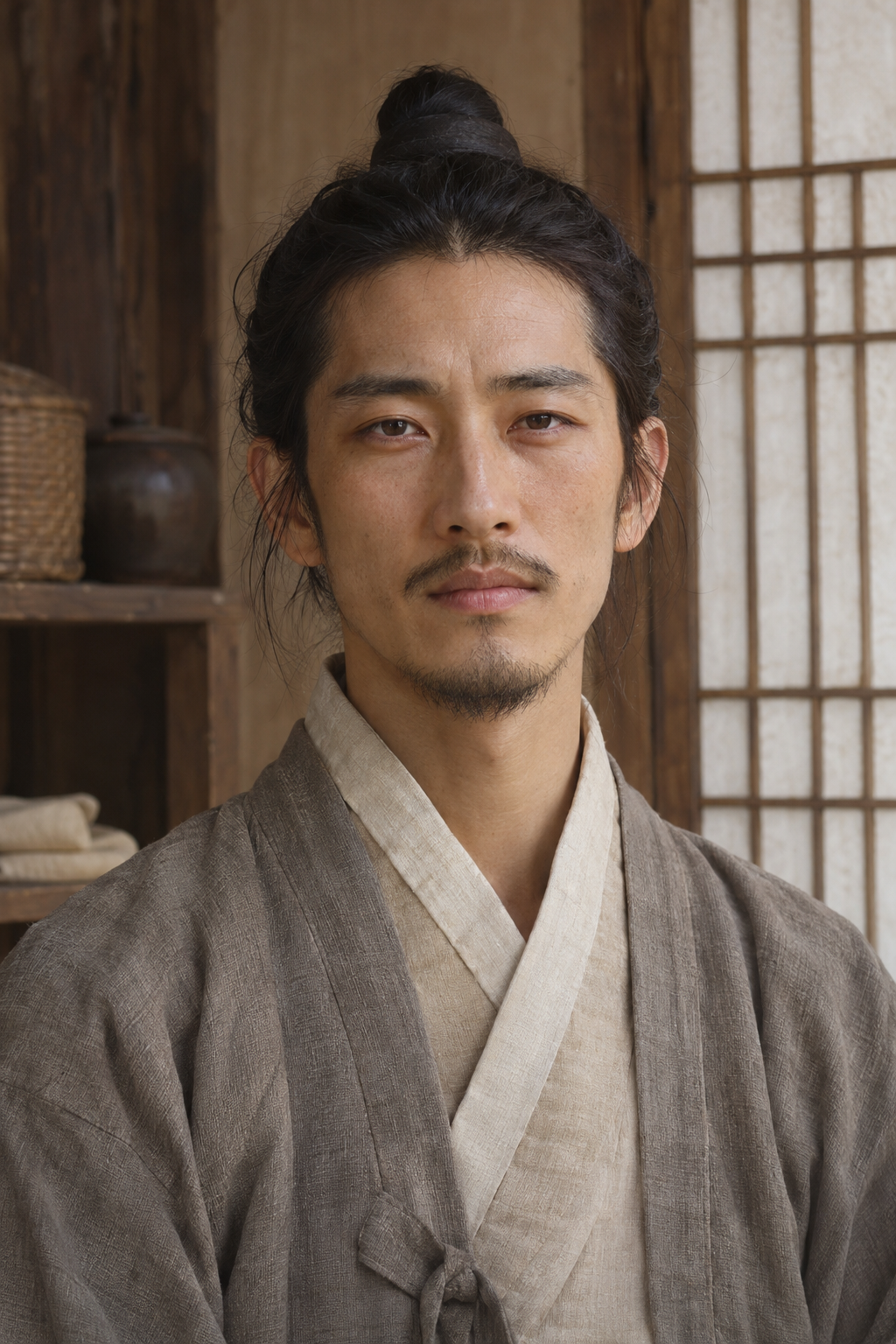
About Joseph Ko Seong-un
Joseph Ko Seong-un came from Byeoram in Deoksan, Chungcheong-do. His parents taught him Catholic doctrine when he was young. The current bishops’ account also calls him Seong-il and identifies Peter Ko Seong-dae as his elder brother. Joseph’s birth date is unknown. His mild character and his practice of the faith were remembered together.
When their father lay ill, Joseph and Peter cared for him for eight months and prayed for his recovery. The Daegu commission’s account joins their filial care with their shared religious reading and encouragement of other believers. Joseph’s relationship with his brother was not confined to the later persecution: they had practised their religion together within the family and had shared the work of looking after their father.
In 1801 Peter was arrested and taken to Jeonju. He renounced Catholicism under pressure and was released, then regretted his decision. Joseph remained with his brother as they resumed their religious life. Hong Yeon-ju’s historical dictionary follows them to Noraesan in Cheongsong, where they joined other Catholic households. Their move took them from the southwest to the mountain settlements of Gyeongsang-do.
Yeo Jin-cheon emphasizes Joseph’s support for Peter after the earlier imprisonment. His account describes a man attentive to his parents and protective of his brother, without treating Peter’s renunciation as the end of their shared Catholic life. Joseph continued reading religious texts and encouraging others in the community they joined.
The settlement was exposed during the persecution of 1815. Lee Gyeong-gyu describes the famine that preceded the raid and the visits of Jeon Ji-su, who had sought help from the Catholics. He later informed against them. The attack came while the believers were gathered for Easter. Joseph, remembered as agile and physically strong, initially thought that robbers had arrived and led the villagers in resisting them.
Once the villagers recognized that the newcomers were officers sent by the authorities, they stopped resisting. Joseph was the first to submit to being bound. The official account preserves both parts of the episode: the vigorous defence against supposed robbers and the cessation of that defence when the men were identified.
Joseph and Peter were taken to Gyeongju, where interrogation and punishment followed. Neither would abandon the faith. Cha Ki-jin recalls them also encouraging prisoners who were wavering. The officers’ demands therefore met a response sustained not only between the brothers, but among the Catholics imprisoned around them. Joseph was then transferred with Peter and other believers to Daegu.
Further questioning and punishment took place at the provincial administration. Hong’s account dates the brothers’ death sentence to 1815 and distinguishes it from their execution in the following year. Their continued imprisonment was not simply a journey from one tribunal to an execution ground: Joseph remained confined while the legal process continued and the authorities awaited the final order.
Lee identifies the provincial governor as Yi Jon-su. His account describes further examinations conducted with magistrates from neighbouring districts and an appointed investigating official. Some prisoners renounced Catholicism, while others died in custody. Joseph remained among those who refused. The Ministry of Punishments recommended execution, and royal authorization followed. These successive steps explain why the account gives separate stages for the provincial sentence and the later execution order.
The brothers helped support themselves by making straw sandals. Oh Se-taek describes a common arrangement in which prisoners obtained straw through jailers, who then sold the finished sandals. Some of the income went to the jailers, while the prisoners used the remainder to buy food and more straw. Joseph’s imprisonment involved this continuing work for sustenance as well as the successive interrogations.
At night the prisoners gathered around a lamp to read and pray together. Yeo describes the prison community’s effort to remain orderly and at peace with one another despite hunger and hardship. Joseph’s habits of religious reading and mutual encouragement, already remembered from his earlier life with Peter, continued in the group’s common life in custody.
The older encyclopedia warns that the early accounts disagree about the brothers’ order and interchange their alternative names. Their shared story should not obscure that Joseph is the man now identified as Ko Seong-un, while the earlier renunciation is attributed to Peter.
The Daegu commission records seventeen months of imprisonment and recalls that Joseph remained unmarried. He continued with his brother through the final demands to renounce Catholicism. The account remembers their closeness without claiming that either man had been spared the strain of the interrogations.
Joseph was beheaded with Peter and their companions at Daegu on December 19, 1816. His body was buried near the execution ground. Relatives and fellow Catholics recovered the remains on March 2 of the following year and arranged another burial.
Hong records the recovered remains being divided among four graves with those of the other executed Catholics. The dictionary states that their precise location is unknown, leaving a gap between the recorded burial and an identifiable grave.
Wondering how to weigh the stories and sources? Learn how to read a saint biography.