Biography
Julian of Alexandria
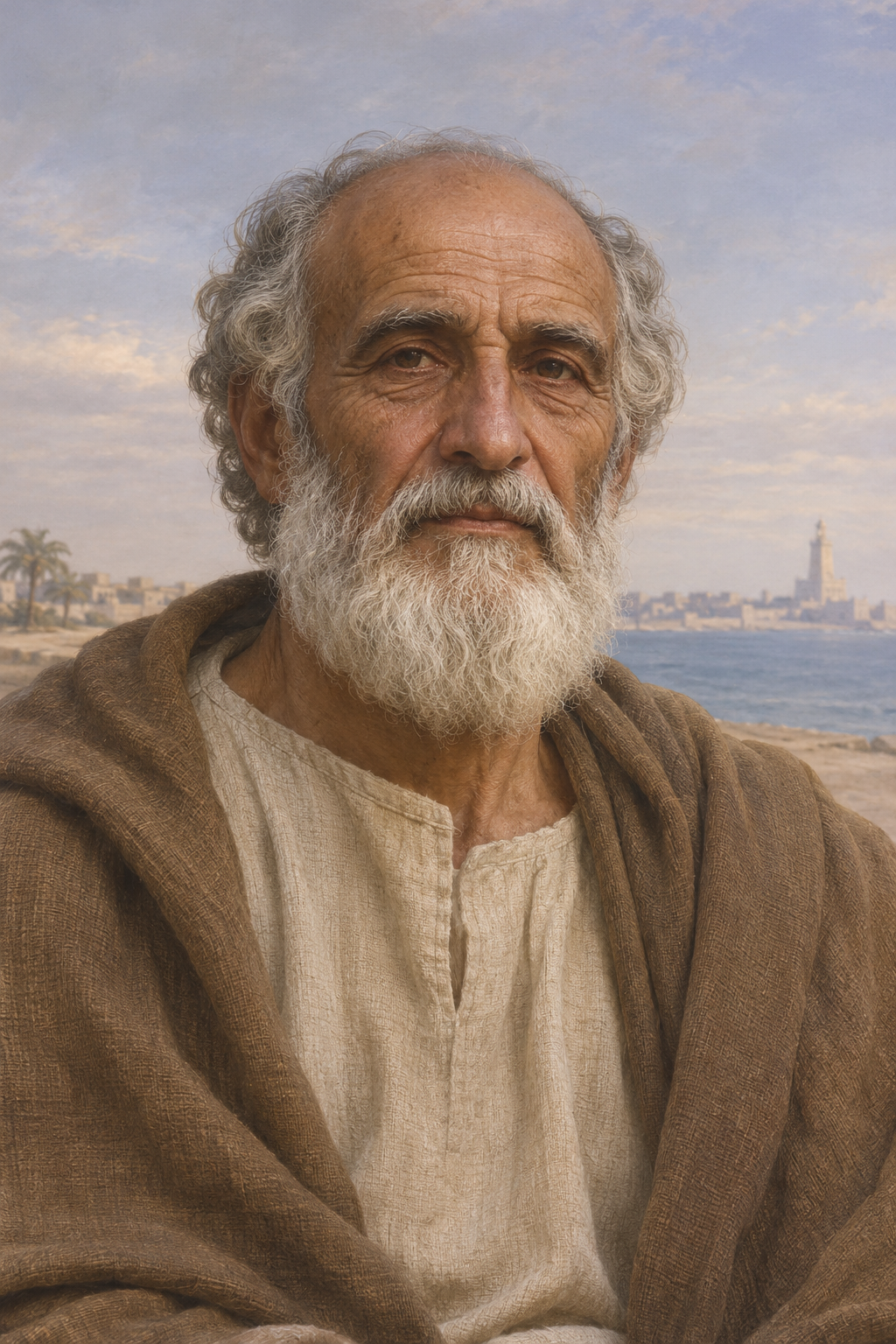
About Julian of Alexandria
Julian is remembered in the Orthodox Church in America’s account of a group of Christians who suffered in Alexandria during the reign of Decius, around 249–251. The notice identifies Julian as an elderly man with gout, unable to stand or walk. His servants carried him to trial. One servant, Eunos, confessed Christianity, while another is said to have recanted. The short account makes Julian’s age and disability part of the story of his arrest: he came to trial dependent on others for physical assistance.
The OCA says Julian and Eunos were carried through the city on camels while pagans jeered at them, then burned. Beza, a soldier who tried to shield the martyrs from insult, was beheaded. The account names Mekaros as “of Lebanon” and says he too was burned. Eusebius, quoting Dionysius of Alexandria, records a Libyan named Macar and the martyrdoms of Cronion called Eunus and the soldier Besas. The similarity in names and sequence does not resolve whether this account concerns precisely the same individuals; the identification remains uncertain.
No personal writings or independent biography of Julian are known in the sources used here. His story survives as part of a collective martyr notice that emphasizes the support of his servants and the intervention of Beza. The source gives no family background, earlier life, or exact day of death. Julian is therefore best remembered through the community that suffered alongside him, with the differences between the later Orthodox notice and Eusebius’s earlier account kept visible.
Wondering how to weigh the stories and sources? Learn how to read a saint biography.