Biography
Julian of Cuenca
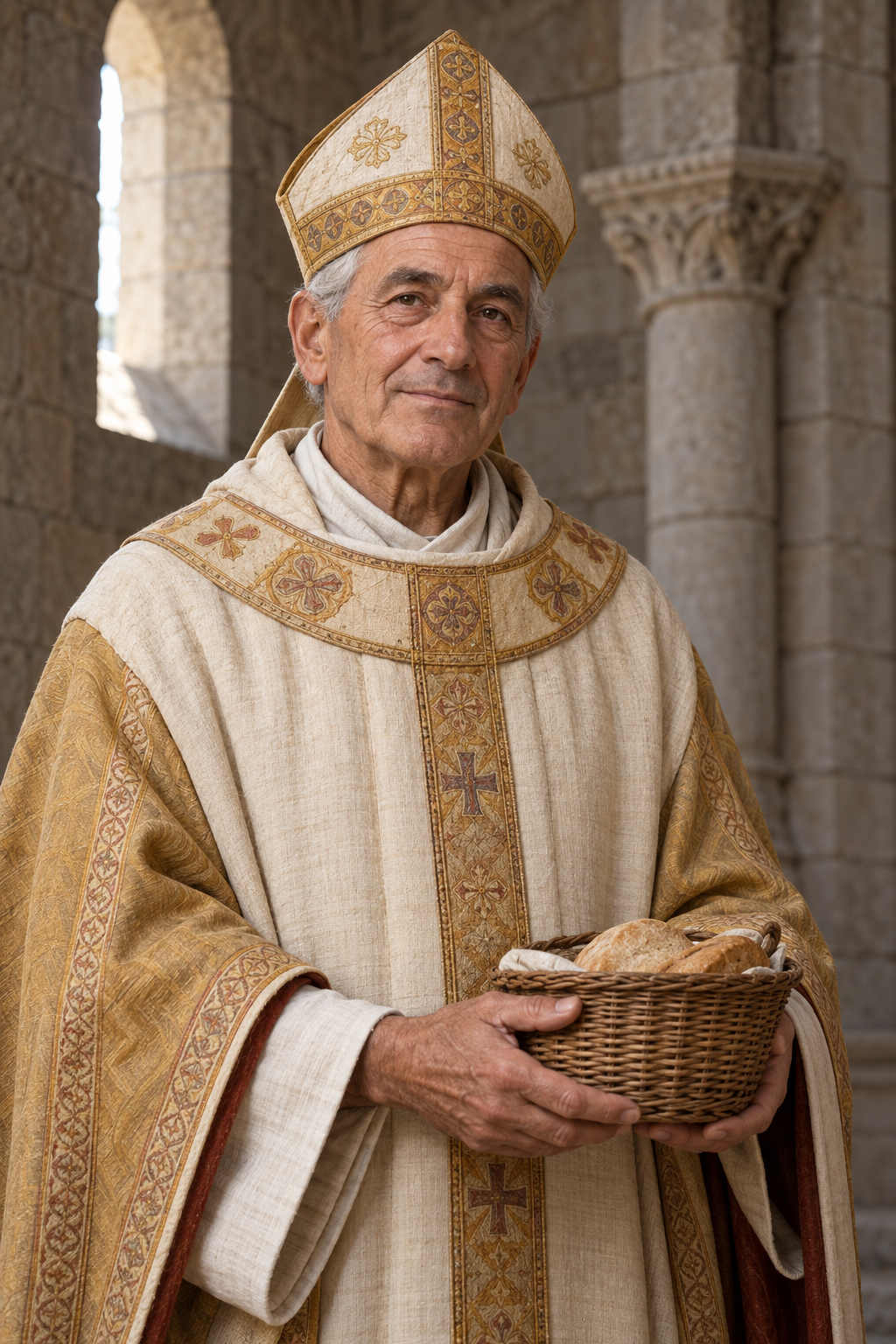
About Julian of Cuenca
Julian of Cuenca was the city’s second bishop, already in office by early 1198. The surviving evidence chiefly concerns his administration. A 1197 transaction names him as archdeacon of Calatrava; its Arabic text and the name Julián ben Tauro have suggested a Mozarabic background in Toledo. His childhood remains uncertain.
He governed a diocese being consolidated after Alfonso VIII’s conquest of Cuenca. Historian José Manuel Nieto Soria places his work within the monarchy’s settlement and territorial policies. Julian strengthened the cathedral chapter and negotiated relations among clergy and civic authorities. His episcopate therefore belonged both to the religious life of the city and to the political organization of newly conquered territory.
A chapter statute from 1201 preserves his signature. Other agreements addressed the relations of cathedral servants with townspeople and the position of parish clergy under the chapter’s authority. These records give a more tangible picture of his work than later accounts of extensive missionary journeys.
Nieto Soria reports January 20, 1208, as the date of Julian’s death, following the cathedral’s obituary. His cult developed much later: the chapter promoted observances in 1447 and again in 1471. The historian cautions that familiar stories of basket-making and nursing victims of an alleged 1207 epidemic lack secure historical proof.
Cuenca celebrated Roman recognition of his cult with elaborate festivities in September 1595. Music historian Juan Ruiz Jiménez describes singers and instrumentalists, processions, temporary architecture and a play about Julian’s life. The celebrations brought cathedral and town together, making the bishop’s memory visible and audible throughout the city. Ruiz dates the papal approval to October 18, 1594; the following year’s festivities commemorated that recognition.
The traditional image of Julian making baskets nevertheless remains important to local devotion. In his 2020 feast-day homily, Bishop José María Yanguas paired that image with Julian’s episcopal insignia. He interpreted the two as signs of pastoral responsibility and practical charity, inviting his listeners to connect religious faith with care for people in need. This is a statement of the tradition’s spiritual meaning, rather than independent evidence for each episode.
Julian is patron of both Cuenca and its diocese.
On January 28, 2024, the city marked his feast with worship at the cathedral, a civic procession and observances at the hermitage and the parish bearing his name. Bread was distributed at the hermitage. Such local practices continue to give his remembrance a place in the community’s shared life.
Wondering how to weigh the stories and sources? Learn how to read a saint biography.