Biography
Juliana Kim Yeon-i
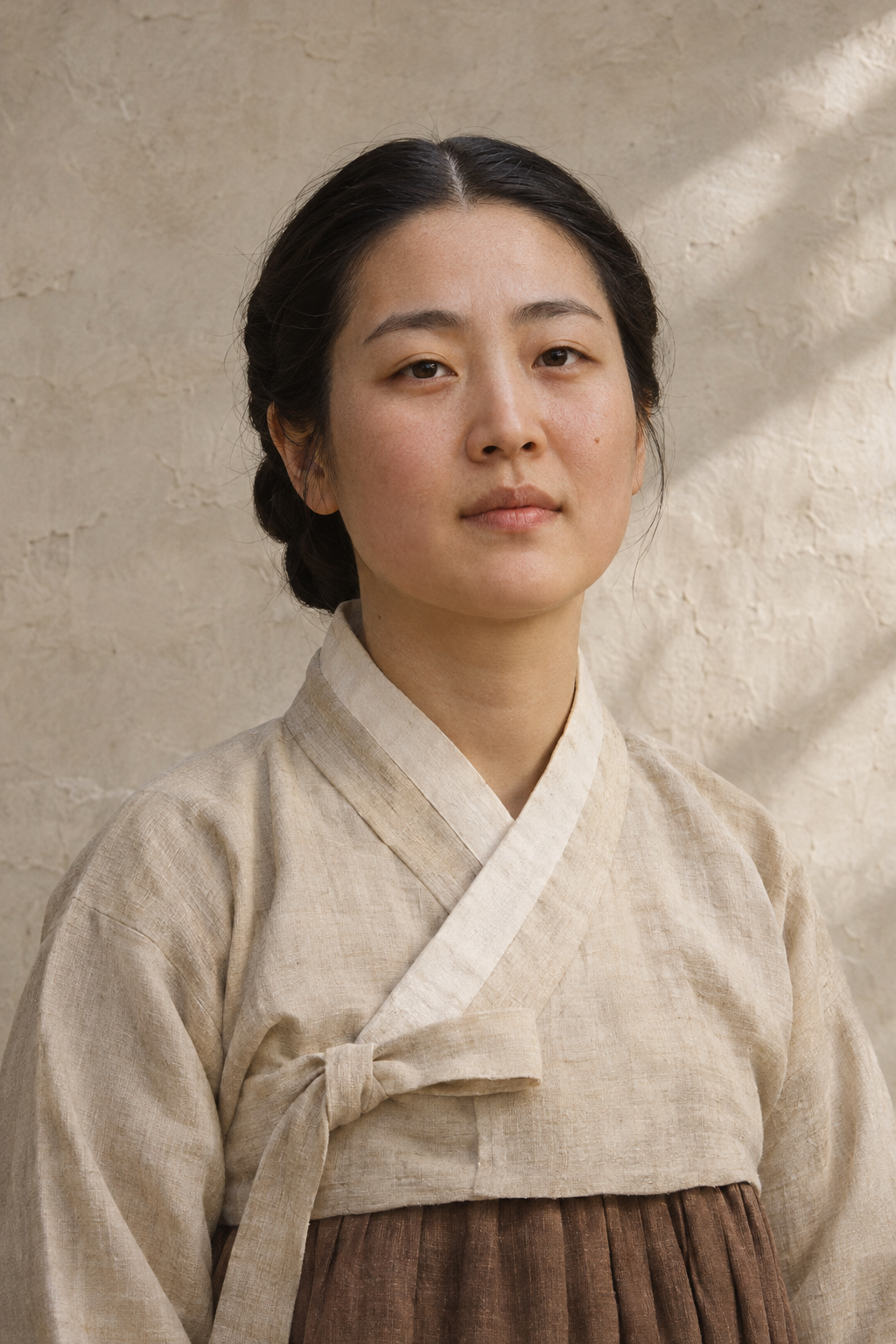
About Juliana Kim Yeon-i
Juliana Kim Yeon-i worked among the Catholic women of Seoul. A commoner, she learned the faith from Agatha Han Sin-ae and joined the community around Columba Kang Wan-suk and the priest James Zhou Wen-mo. She later helped women living at Yangjegung reach Catholic worship and sheltered fellow believers when persecution put them in danger.
The encyclopedia connects her baptism with visits to the home of Philip Hong Pil-ju, who assisted Zhou. Juliana continued learning through meetings with Kang and the court woman Susan Kang Gyeong-bok. At Kang’s home, she also studied Catholic writings with Susan and another palace attendant, Seo Gyeong-ui. The encyclopedia credits her with another task Kang entrusted to her. She helped find shelter for Zhou himself, work that required contacts beyond the house in which they met for worship. Juliana received baptism from Zhou. The English Church biography places it in 1795, whereas the Korean bishops’ revised text dates it less precisely. Both identify the house by the name of Columba Kang, the woman who led the Catholic women’s community.
Historian Jeong Min describes her as an intermediary linking Catholic leaders and individual believers. Women doing this work could teach, carry news and religious materials, and enter households where other contacts were difficult. In his account, Juliana’s particular responsibility centered on the royal household at Yangjegung.
She lived with her daughter Bok-in in the Yonghoyeong area of Gyedong. Her contacts included Kang, Agatha Han and Yi Gi-yang. Bok-in briefly entered service at Yangjegung in late 1800. Mother and daughter thus both appear in the surviving account of the contacts between the Catholic community and that residence.
Yangjegung was commonly called the abandoned palace. It was the Seoul residence of Prince Euneon, a half-brother of King Jeongjo. His wife and widowed daughter-in-law continued living there with their attendants after the prince was exiled to Ganghwa.
The women she came to know included Mary Song, Mary Sin and Susan Kang Gyeong-bok. Juliana made friends with them and accompanied them to Mass celebrated by Zhou.
Jeong reconstructs one practical means of keeping those contacts open. Court attendants made embroidered pillow ends, and visits associated with collecting that needlework could also allow Catholics to communicate. He treats the commercial activity as a possible explanation for how people came and went without drawing the same attention as an openly religious visit.
Juliana helped people who already knew something about Christianity meet a priest. Asked how Catholic teaching had reached the palace, Zhou spoke of an older woman whom he called Jo. Jeong identifies her as Yi Jo-i, the wife of Jo Bong-sang. Seo Gyeong-ui, one of Juliana’s companions at lessons, belonged to this same family. Juliana’s visits brought the two Marys into the circle of people who could meet the priest for Mass.
When persecution broke out, Columba arranged for Hwang Sa-yeong to hide with Juliana in Yonghoyeong. He could no longer stay openly in the capital. For Juliana this meant bringing into the house she shared with Bok-in a man wanted by the authorities.
An archdiocesan account published for the 2014 beatification says Juliana was arrested for having attended Mass with Mary Song, connecting her detention with the royal widow’s participation in Catholic worship.
The officers took Juliana to the police headquarters. Her case was then transferred to the Ministry of Justice. Bang Sang-geun, who traced the cases of the condemned prisoners through the surviving records, identifies her by name among those interrogated by both institutions. The questioners repeatedly punished her and pressed her to identify fellow Catholics. She refused. The English life also preserves the profession attributed to her in custody. Faced with death, she told her interrogators that she had no regrets about becoming a Christian.
Juliana was sentenced with Kang, Susan Kang, Agatha Han and other companions. She was beheaded outside Seoul’s Small West Gate on July 2, 1801. The encyclopedia preserves the same execution date and place, bringing her short personal notice to a close with the women among whom she had studied and worked.
Oh Se-taek’s account places her beside Susan Kang, Vivian Mun Yeong-in and Agatha Han in the early Catholic women’s community. It distinguishes Juliana’s role from that of the court women: she was the visitor who brought people to Mass and later sheltered fugitives. Her significance rests in those connections, made across household and social boundaries and maintained when protecting fellow Catholics became dangerous.
The church at Seosomun still remembers Juliana by name. The service booklet for August 16, 2024, the tenth anniversary of the martyrs’ beatification, gives the congregation a litany to pray together at the start of Mass. Among the men and women named in it is Blessed Juliana Kim Yeon-i. Her Korean name and baptismal name stand together in the list, with a response asking the blessed to pray for those taking part.
Wondering how to weigh the stories and sources? Learn how to read a saint biography.