Biography
Leontius of Frejus
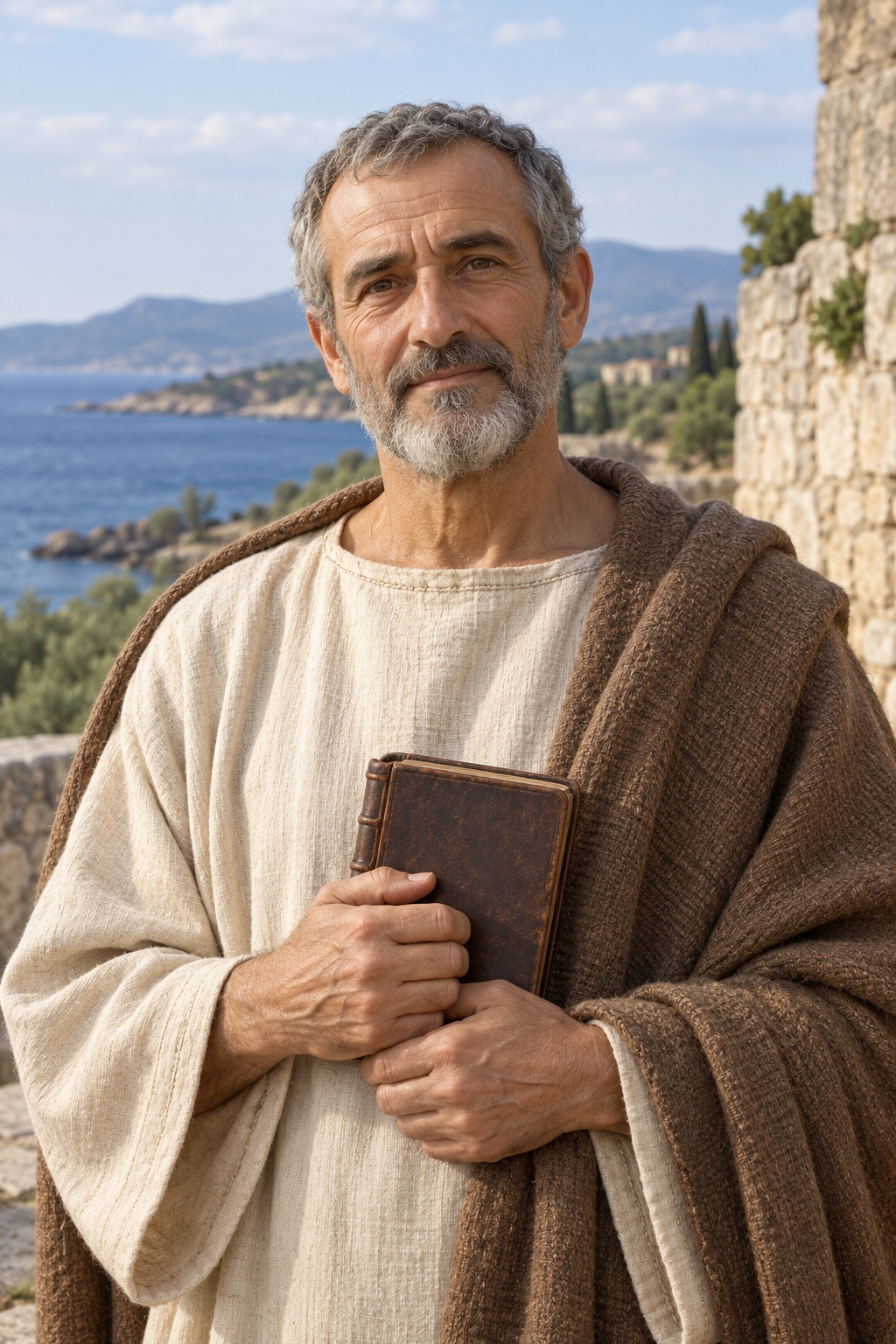
About Leontius of Frejus
Leontius served as bishop of Fréjus in the early fifth century and helped establish a lasting place for monastic life in the region. The cathedral chapter places his birth at Nîmes and identifies Castor, later bishop of Apt, as his elder brother. Its account describes his early desire for solitude, followed by ordination at Fréjus and election as bishop. The date of that election is uncertain.
A contemporary witness to Leontius is John Cassian, who dedicated the first ten Conferences to him and to Helladius. Cassian explains that Castor had requested these accounts of the Egyptian hermits but had died before receiving them. He presents Leontius as linked to Castor by brotherhood, priestly office and devotion to sacred study. The dedication thus connects Leontius with the transmission of monastic teaching from Egypt to readers in the Latin-speaking Church.
Cassian asks the recipients to support the undertaking with their prayers. He describes a movement from the outward organization of monastic life, treated in his earlier work, toward inward prayer and contemplation. Leontius appears here as a recipient of that work, not as the author of the teachings or as one of the Egyptian hermits whose conversations Cassian records.
At Lérins, the chapter history credits Leontius with welcoming Honoratus and his companions, permitting their settlement on the island and ordaining Honoratus as priest.
Hilary of Arles gives a personal reason for Honoratus’s choice of Lérins. Alongside the island’s seclusion, he names the attraction of living near Leontius and the affection binding the two men. His account makes that friendship part of the monastery’s beginnings. In the following section, Hilary describes Honoratus accepting priesthood after avoiding it, while preserving the humility of his monastic life.
A later council at Arles recalled Leontius when settling a dispute involving his successor Theodore and the monastery. It allowed Theodore the rights that Leontius had exercised: ordaining clergy and ministers of the altar, personally or through a delegate; providing chrism; confirming newly baptized Christians; and authorizing visiting clergy to share in communion or ministry. The ruling preserves a concrete account of Leontius’s responsibilities toward the island community. It concerns the practice inherited from him, rather than a dispute in which he himself took part.
Leontius also appears in the business of the wider Church. On June 13, 419, Pope Boniface I addressed him, Castor and other bishops concerning accusations against Maximus, bishop of Valence. Clergy from that city had brought their complaint to Rome, alleging serious misconduct and repeated avoidance of earlier hearings. Boniface’s letter speaks sharply about those delays, but still orders an opportunity for the accused bishop to answer. It directs the bishops to gather a provincial synod before November 1 and hear his defense if he appears. If he refuses to attend, his absence is not to postpone judgment again. The decision is then to be reported to Rome for confirmation. For Leontius, the letter establishes that he was among the bishops called upon to handle the case. It does not record a speech, vote or verdict given by him, nor does the invitation alone prove that he attended the eventual hearing. His part in the surviving document is that of a named recipient entrusted with a shared episcopal responsibility.
Another papal letter, from Celestine I to the bishops of Gaul, places Leontius among the recipients of an appeal over religious teaching and the peace of their churches. Prosper and Hilary had complained at Rome that certain priests were promoting divisive arguments. Celestine rebukes the bishops for allowing their subordinates such freedom to dispute and warns that silence can appear to support error. He urges them to restrain the offending teaching and protect their congregations from further disturbance. The letter also defends Augustine’s memory, recalling his standing as a respected teacher and his continuing communion with Rome throughout his life. Leontius is named in the address, but the pope does not quote any teaching of his or describe an individual response from him. The document therefore shows the responsibilities laid upon him and his fellow bishops, while leaving his personal actions after receiving it unrecorded. It cannot supply a detailed account of his own position in the controversy.
The New Catholic Encyclopedia places his death at Fréjus around 432. The cathedral chapter gives the approximate years 432–433; the exact day of his death is unknown.
A later tradition sent Leontius to preach in Germany, but the New Catholic Encyclopedia judges that journey historically doubtful. It is not part of the securely established account of his ministry.
The diocesan calendar commemorates Leontius on December 1 as the secondary patron of Fréjus-Toulon, with a local feast at Fréjus. The cathedral chapter also names him as patron of the city and as co-patron of its cathedral with the Virgin Mary, tracing that shared cathedral dedication to a document from 990.
Wondering how to weigh the stories and sources? Learn how to read a saint biography.