Biography
Macarius the Syrian Martyr
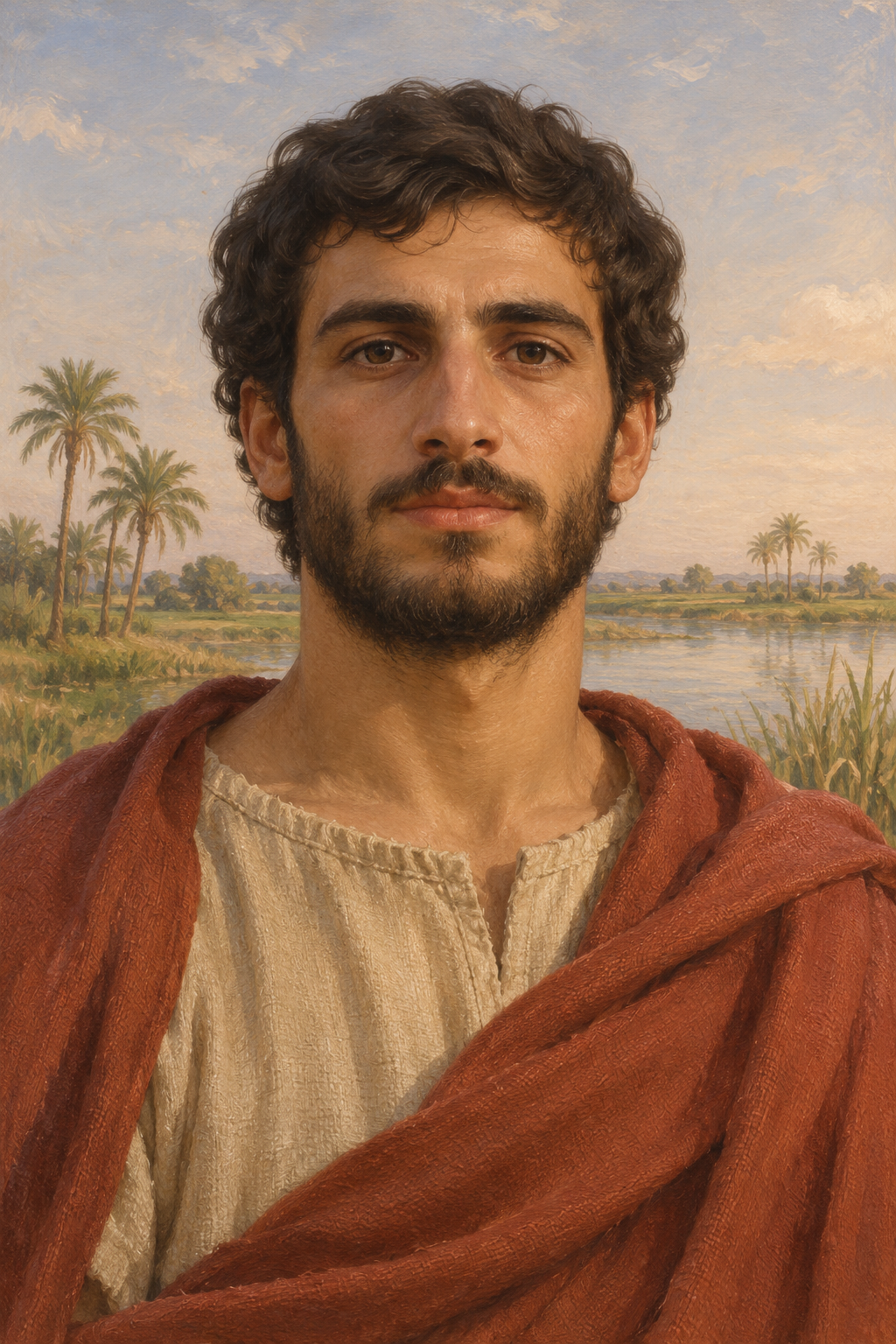
About Macarius the Syrian Martyr
Macarius the Syrian is remembered as a martyr of fourth-century Egypt. The Coptic Encyclopedia says the story belongs to the late Basilidian cycle and survives in a Bohairic codex of the ninth century. The codex is incomplete at the beginning; a Copto-Arabic Synaxarion supplies a summary of the missing opening. The source therefore preserves a developed martyr narrative rather than a contemporary record of an execution.
The Passion calls Macarius the son of Basilides, a general in Antioch under Diocletian. When Macarius refuses to abandon Christianity, he is denounced. The story says Diocletian sends him to the prefect Armenius in Alexandria rather than punish a prominent resident of Antioch. This account places the saint in a narrative route from the imperial court to Egypt, but the Coptic Encyclopedia treats it as part of the later Passion cycle, not as established administrative history.
The story gives Macarius three martyrdoms: first in Alexandria, then at Pshati, and finally at Shatanuf. After the first two deaths, the narrative says he is restored to life. The repeated executions and revivals are a literary device known from this cycle and cannot be treated as three historical killings. In the final episode, John of Aqfahs—a fictional figure associated with another cycle—is present. The Passion’s appended story says Diocletian becomes blind and that Constantine later sends Eulogius to Egypt.
The narrative ends with Macarius’s relics remaining at Shatanuf, where a sanctuary is built. The Coptic Encyclopedia describes these supplements as part of the cycle’s literary development and points to related Passions of Epima, Isidore, and Eusebius. Macarius’s commemoration preserves a Coptic memory of a Syrian-origin Christian honored in Egypt, but no independent evidence confirms the Passion’s family details or execution sequence.
Wondering how to weigh the stories and sources? Learn how to read a saint biography.