Biography
Mansuetus of Milan
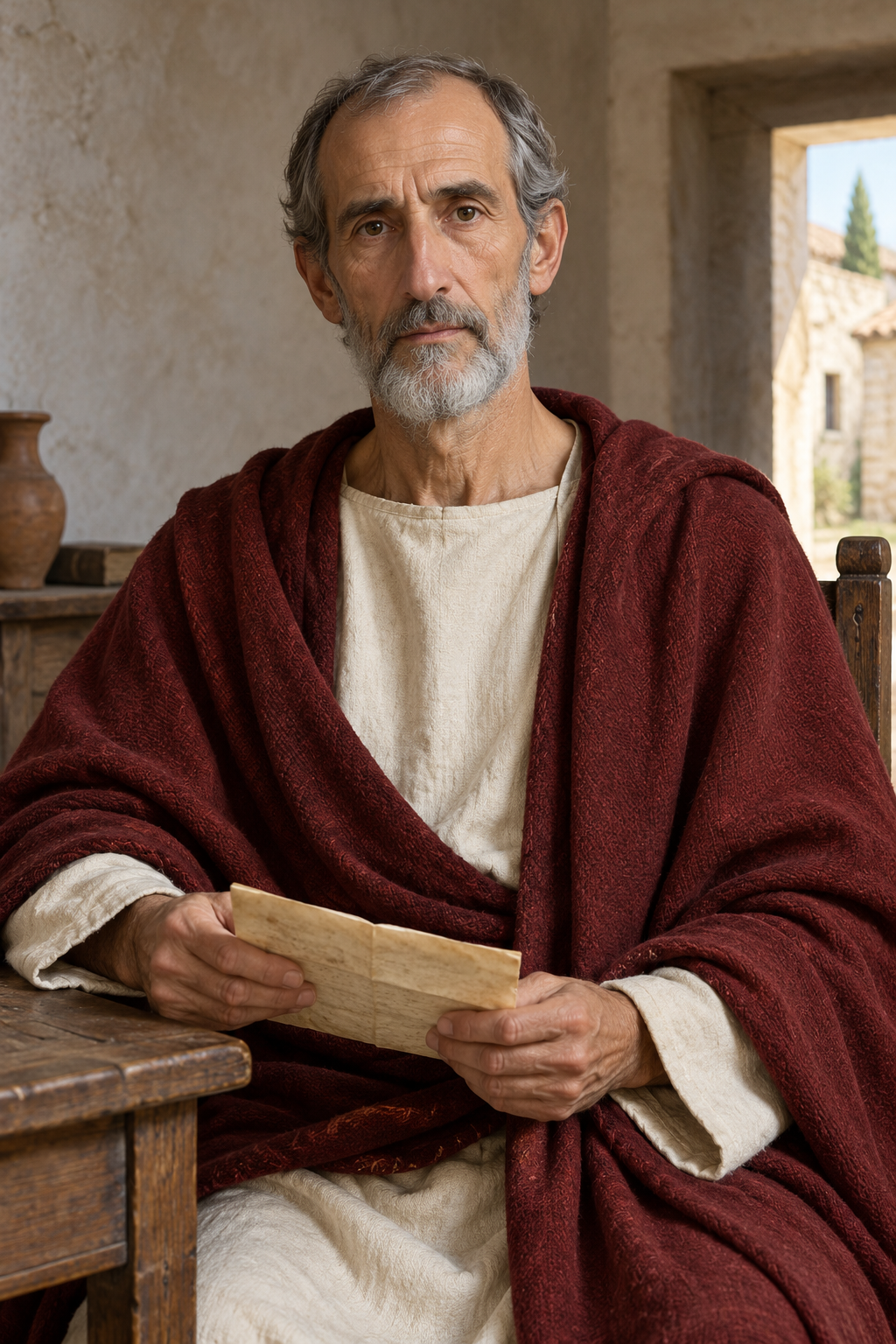
About Mansuetus of Milan
Mansuetus was bishop of Milan in the seventh century, when the churches were divided over whether Christ possessed both a divine and a human will. He gathered his clergy and neighboring bishops in 679 to prepare a response to the proposed council in Constantinople. Damian, then a cleric, drafted the statement sent in Mansuetus’s name.
The surviving letter addresses Emperor Constantine IV on behalf of Mansuetus and the assembled bishops. It asks the emperor to follow earlier rulers who had supported church councils and defended their decisions. Its account of the first five councils includes sharp condemnations of teachings the writers rejected. They ask Constantine to preserve those councils’ authority and resist attempts to alter the inherited faith.
A profession of faith follows the appeal. It affirms the Trinity and describes Jesus Christ as fully divine and fully human, one person rather than two sons. It then declares that he has two natural wills and two natural operations. This is the central point of its opposition to monothelitism, the teaching of a single will in Christ. The statement joins that defense of Christ’s humanity to its confession of his suffering, resurrection and future judgment.
Mansuetus also participated in the Roman council of March 680.
The issue was subsequently addressed by the council held at Constantinople in 680–681.
The Milanese document continued to circulate in later manuscripts. Its transmission from the ninth through the sixteenth century is among the subjects examined in Fabio Furciniti’s critical study.
The Church remembers Mansuetus on February 19.
Wondering how to weigh the stories and sources? Learn how to read a saint biography.