Biography
Manuel Morales
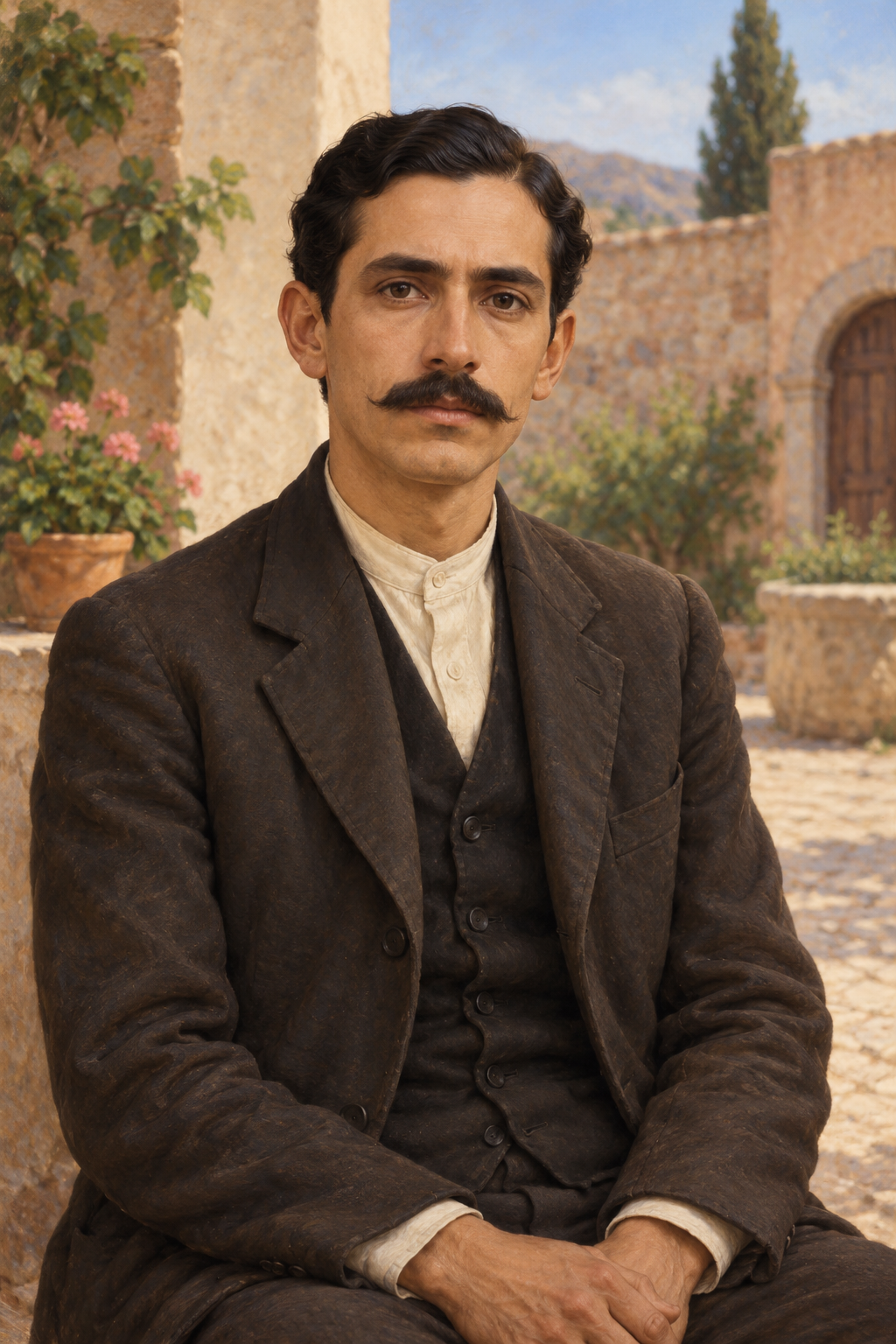
About Manuel Morales
Manuel Morales was a Mexican husband, father and Catholic lay organizer killed in 1926. Born in Mesillas, Zacatecas, on February 8, 1898, he belonged to the Catholic youth association and led the local movement defending religious freedom. The Holy See’s biography remembers a working man whose parish involvement and Eucharistic devotion accompanied his responsibilities to his wife and three children.
His family moved to Chalchihuites while he was young. He studied at the seminary in Durango, but left to help support his family rather than continue toward ordination. The New Catholic Encyclopedia identifies him as secretary of a Catholic workers’ circle as well as a member of Catholic Action. His public religious activity grew from these lay associations and the local parish.
Historian Fidel González Fernández gives a more detailed account of the household he supported. He describes Morales as having been raised by his grandparents in difficult financial circumstances, and says that he left the seminary after his grandfather’s death to care for his grandmother. In 1921 Morales married Consuelo Loera. His later work in Catholic organizations took place alongside the demands of family life.
In the summer of 1926, conflict over restrictions on religious life intensified. Tomás de Híjar Ornelas records Morales presiding over a meeting in Chalchihuites on July 29, shortly before the Calles Law took effect and public worship was suspended. The local branch of the League for the Defense of Religious Liberty had more than three hundred members; about six hundred people attended the meeting. Municipal authorities reported the gathering as seditious, and troops were sent to the town.
The official Church account presents Morales’s intention as peaceful petition for the repeal of religious restrictions. On August 15, after learning that his parish priest, Luis Batis, had been imprisoned, he gathered young people to consider how to secure his release. Soldiers arrived and arrested Morales too. The biography describes him being beaten and taken out of the town with the priest.
De Híjar’s historical study adds an episode absent from that brief biography. After the prisoners’ vehicles stopped outside the town, Pedro Quintanar and others attempted a rescue. A gunfight followed; when it ended, the officer ordered the prisoners killed. The historian also states that subsequent efforts to connect Batis and his companions with an organized movement against the government were unsuccessful. The attempted rescue should therefore not be turned into evidence that Morales himself had joined an armed revolt.
Morales died at Puerto de Santa Teresa on August 15, 1926. Batis and the two other laymen, David Roldán and Salvador Lara, were killed with him. Their remains were later kept together in the parish church at Chalchihuites. González Fernández also records the archbishop of Durango’s public remembrance of the men in a pastoral letter of February 1927, evidence that their religious significance was recognized locally long before their eventual canonization.
John Paul II beatified Morales with the Mexican martyrs in 1992 and canonized him on May 21, 2000. The Church remembers him as a lay martyr, whose commitment was lived in ordinary family and working life before his arrest.
His patronage has a defined local scope. In a signed decree dated November 9, 2020, Archbishop Faustino Armendáriz Jiménez named him patron of families in the Archdiocese of Durango. The decree connects that choice with Morales’s fatherhood and the remembered trust he placed in God’s care for his children. It invites families of the archdiocese to seek his intercession; it does not establish a universal patronage of all families.
A parish in Bogotá also honors him as its patron. Established in 2001, it describes his example as encouraging parishioners to take responsibility for their community and its evangelizing work. Its 2018 account connects devotion to Morales with active participation by laypeople, rather than treating the parish as the responsibility of its clergy alone.
He is commemorated with Christopher Magallanes and his companions on May 21.
Wondering how to weigh the stories and sources? Learn how to read a saint biography.