Biography
Margaret Ward
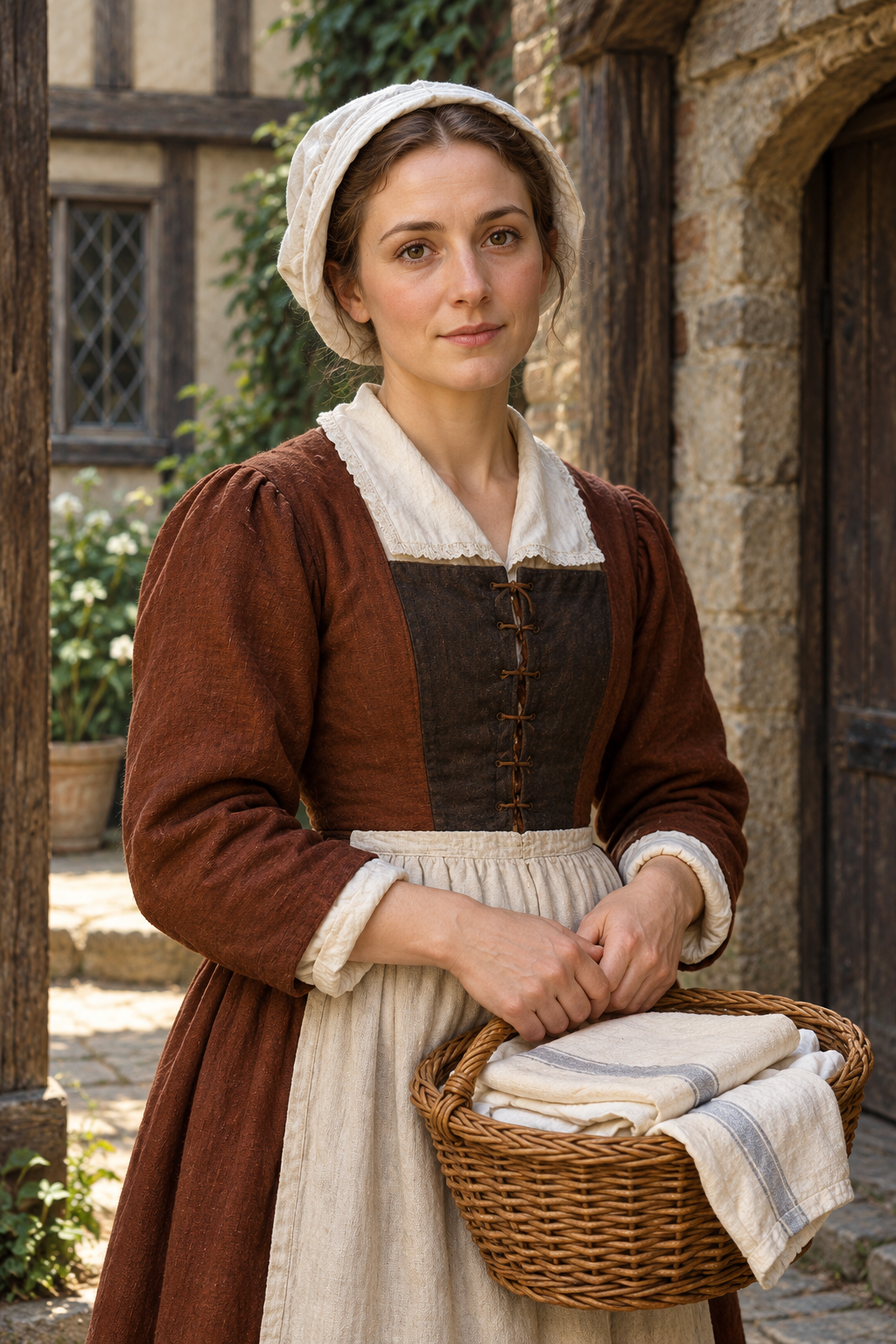
About Margaret Ward
Margaret Ward was an English Catholic laywoman who helped a priest escape from prison and was executed at Tyburn on August 30, 1588. She came from Congleton in Cheshire, but her birth date and most of her early life are unknown. By the time of her arrest, she was serving in the household of the Whittle family in London.
Her story centers on a priest named Watson, held in Bridewell prison. She gained permission to visit him and eventually brought him a rope for an escape. Edwin Burton’s account in the Catholic Encyclopedia describes how repeated visits had made the jailer less watchful. A planned boat journey was endangered when the man first approached refused to help, but John Roche agreed to assist.
Roche provided a boat and exchanged clothes with the priest. Watson escaped, while the clothing and the rope helped identify those who had assisted him. Margaret and Roche were arrested. The surviving accounts differ in their details, as the New Catholic Encyclopedia cautions; the broad sequence of assistance, escape and arrest is clearer than every step of the plan.
A report by the Jesuit Robert Southwell describes severe torture during Margaret’s imprisonment, including suspension by her wrists. She refused to disclose the priest’s hiding place. She also rejected an offer of freedom conditional on attending Protestant worship. Tried on August 29, she was executed the following day with Roche and other Catholic prisoners.
Her actions became part of the Catholic memory of the English martyrs. Paul VI canonized her among the Forty Martyrs of England and Wales on October 25, 1970. At that ceremony he welcomed Anglican guests, including a representative of the Archbishop of Canterbury. His homily concluded with a hope that remembrance of the martyrs could contribute to healing the division between the churches.
The Catholic calendar for England commemorates Margaret on August 30 together with Margaret Clitherow and Anne Line. These are three distinct women, whose deaths occurred in different years.
The Episcopal Church also remembers the three women on August 30. Its Lesser Feasts and Fasts acknowledges the anti-Catholic violence they suffered while recognizing religious violence on both sides of the sixteenth-century divisions. The accompanying prayer asks forgiveness for inherited wrongs and for the ability to answer for faith with gentleness. Their remembrance therefore includes an invitation to examine how religious conviction is expressed toward others.
Margaret’s name remains part of school life in England. St Margaret Ward Catholic Academy in Stoke-on-Trent explicitly names her among its three patrons, emphasizing courage, compassion and integrity in its educational aims. At St James Catholic Primary School in Hyde, she is patron of Ward House. These are specific community patronages, grounded in the schools’ own descriptions of their life together.
Wondering how to weigh the stories and sources? Learn how to read a saint biography.