Biography
Mark Chong Ui-bae
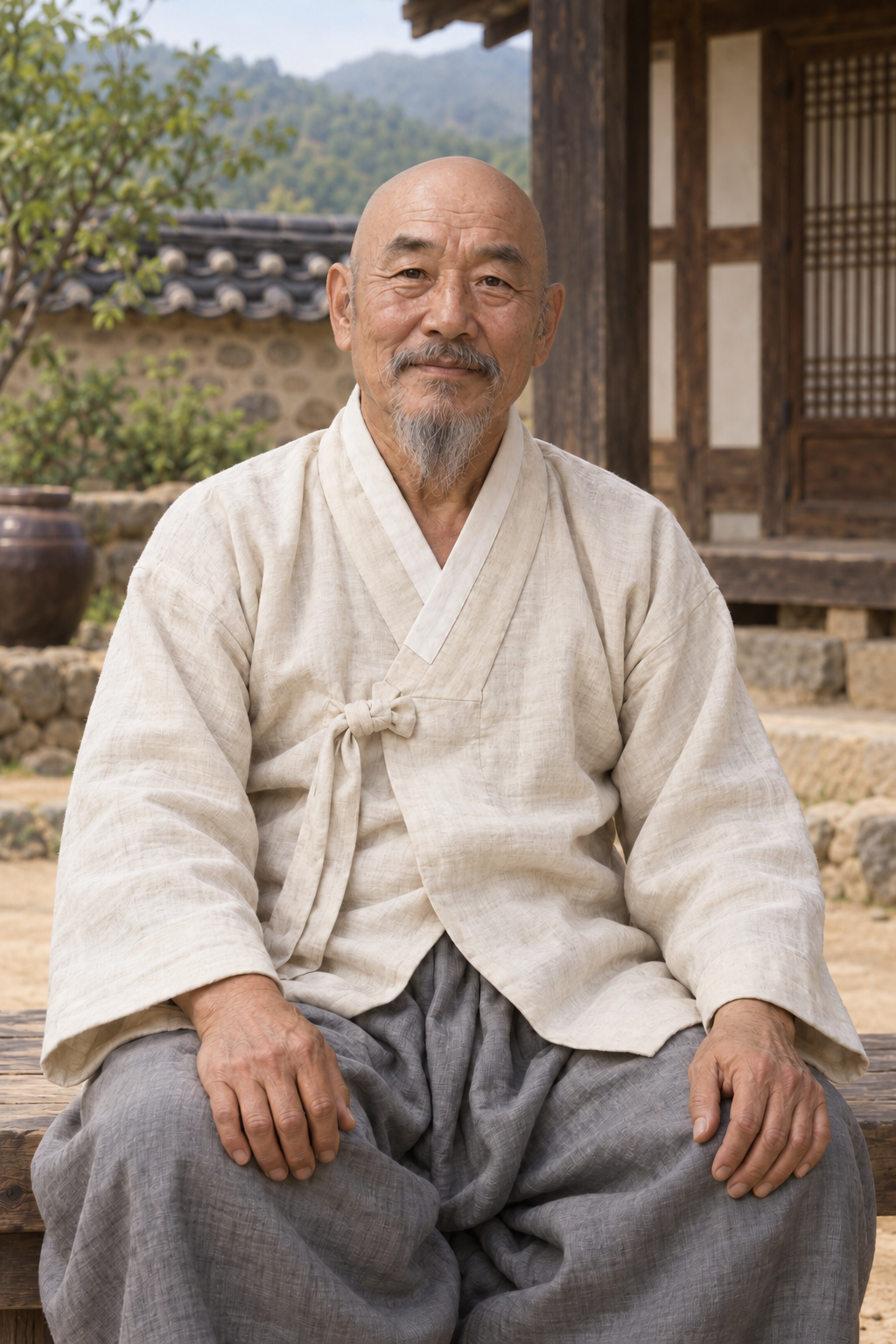
About Mark Chong Ui-bae
Mark Chong Ui-bae worked as a teacher after studying for the government examination. He married, lost his first wife and lived for years as a widower. The bishops’ conference account links his interest in Catholicism to the execution of Imbert, Maubant and Chastan in 1839. After seeing their deaths, he read Catholic books and sought baptism in Seoul.
Chong originally taught Confucian learning and opposed Catholic restrictions on ancestral rites. According to Hong Yeonju’s critical biography, the missionaries’ deaths changed his attitude toward the religion. In 1854, he took charge of a Catholic organization caring for orphans.
Bishop Ferréol appointed Chong a catechist after arriving in Korea. Dallet describes him teaching Catholics and people preparing for baptism, visiting the sick and helping them prepare to receive the sacraments. The account says he accepted no payment from Catholics and relied on his wife’s work for the household’s livelihood.
His second wife was Catherine Pi. They adopted their nephew Paul Pi, who taught Korean to Just de Bretenières while the missionary stayed in their home. Chong also helped care for sick people and orphans.
The critical account places Chong among the Catholics who instructed believers in neighborhoods around Seoul. He taught people living at Sucheolli and Gongdeokri and maintained contacts with other Catholic households. Bretenières stayed at his house from July 1865. The missionaries Beaulieu, Huin and Dorie also visited the household.
After his arrest, Chong named only Catholics who had already died when officials demanded names. He was transferred between prisons and condemned to death.
The court record places Chong’s case alongside those of Alexius U and the missionaries Pourthié and Petitnicolas. Officials complained that the prisoners would not identify people who had sheltered them or other Catholics connected with them. The Grand Council treated that refusal as a reason to end further investigation and proceed to execution. Its request also accused Chong of giving false information earlier in questioning. These statements preserve the officials’ view of his conduct, rather than an independent assessment of every answer he gave. The king approved their transfer to the military authority for execution.
Chong was beheaded at Saenamteo on March 11, 1866, with Pourthié and Petitnicolas.
Wondering how to weigh the stories and sources? Learn how to read a saint biography.