Biography
Martina of Rome
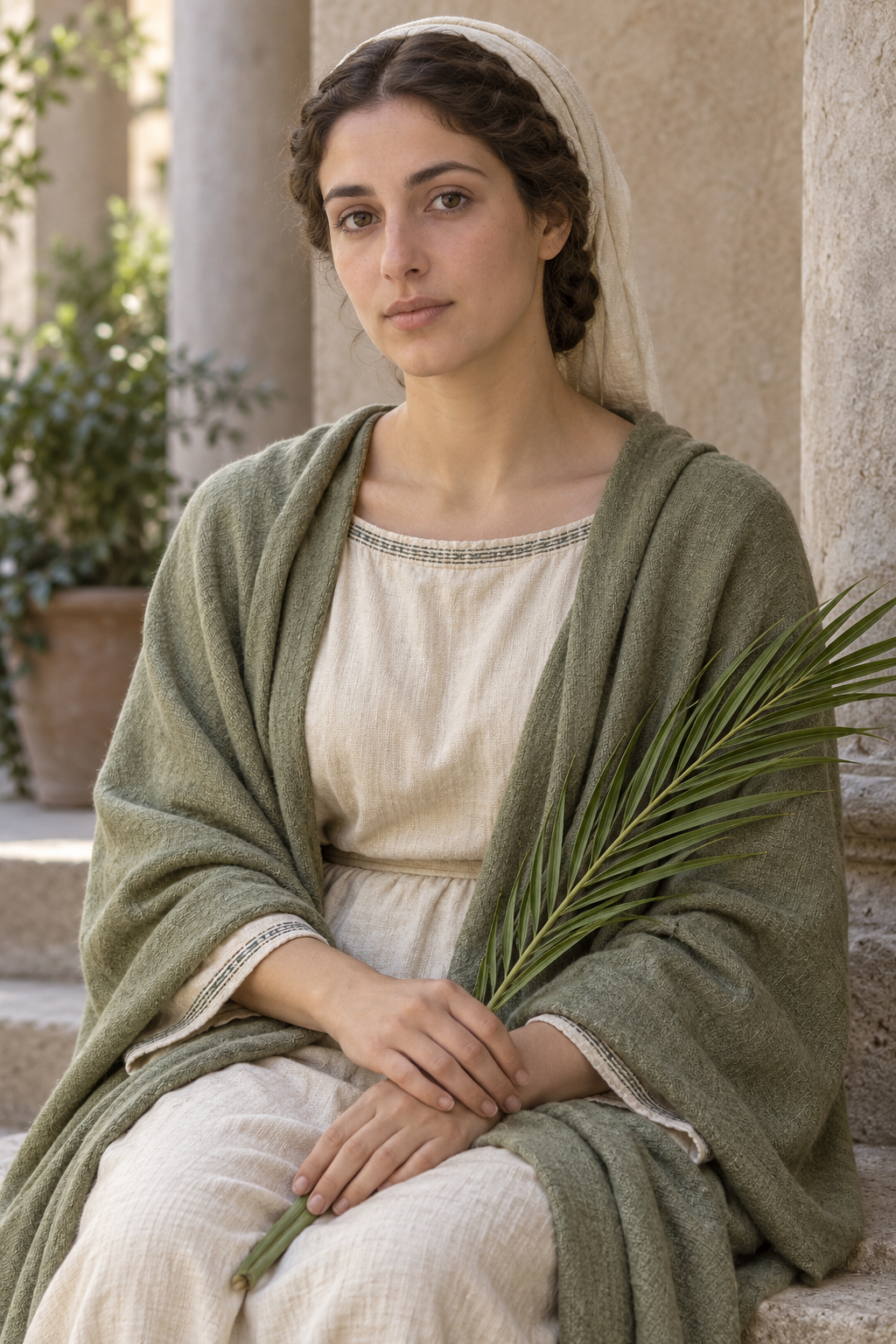
About Martina of Rome
Martina is honored in Rome as a virgin martyr, but her personal story comes from legend. The New Catholic Encyclopedia identifies her life as an adaptation of the legend of Tatiana. In that narrative, she is the orphaned daughter of a former consul, a deaconess who refuses to abandon her faith and is eventually beheaded under Alexander Severus.
The history of her devotion is clearer than that personal narrative. The same reference work traces her Roman cult to the seventh century and records an oratory near the Mamertine prison. It also notes her appearance in later liturgical books and calendars.
Her story continued to be retold in medieval literature. Alexander Lasch studies Hugo von Langenstein’s German Martina, completed in 1293. He notes the relationship with Tatiana’s Passion and examines the poem as a work of religious instruction and literary interpretation. Its elaborate episodes belong to that later devotional reception.
A major revival of devotion followed the discovery of remains identified as hers in 1634. The Accademia di San Luca describes how this discovery changed Pietro da Cortona’s plans for the Roman church. What began as a proposed renovation of the lower church became a larger rebuilding supported by Urban VIII. The church of Saints Luke and Martina remains open for worship.
Her devotion also reached Martina Franca in Apulia. Vatican City State reports that fragments of the Roman relics were sent there in 1730 at the initiative of Cardinal Tommaso Innico Caracciolo. An altar was established in her honor, and she received the local title of co-patron. The same official notice commemorates her on 30 January.
Wondering how to weigh the stories and sources? Learn how to read a saint biography.