Biography
Maura of Egypt
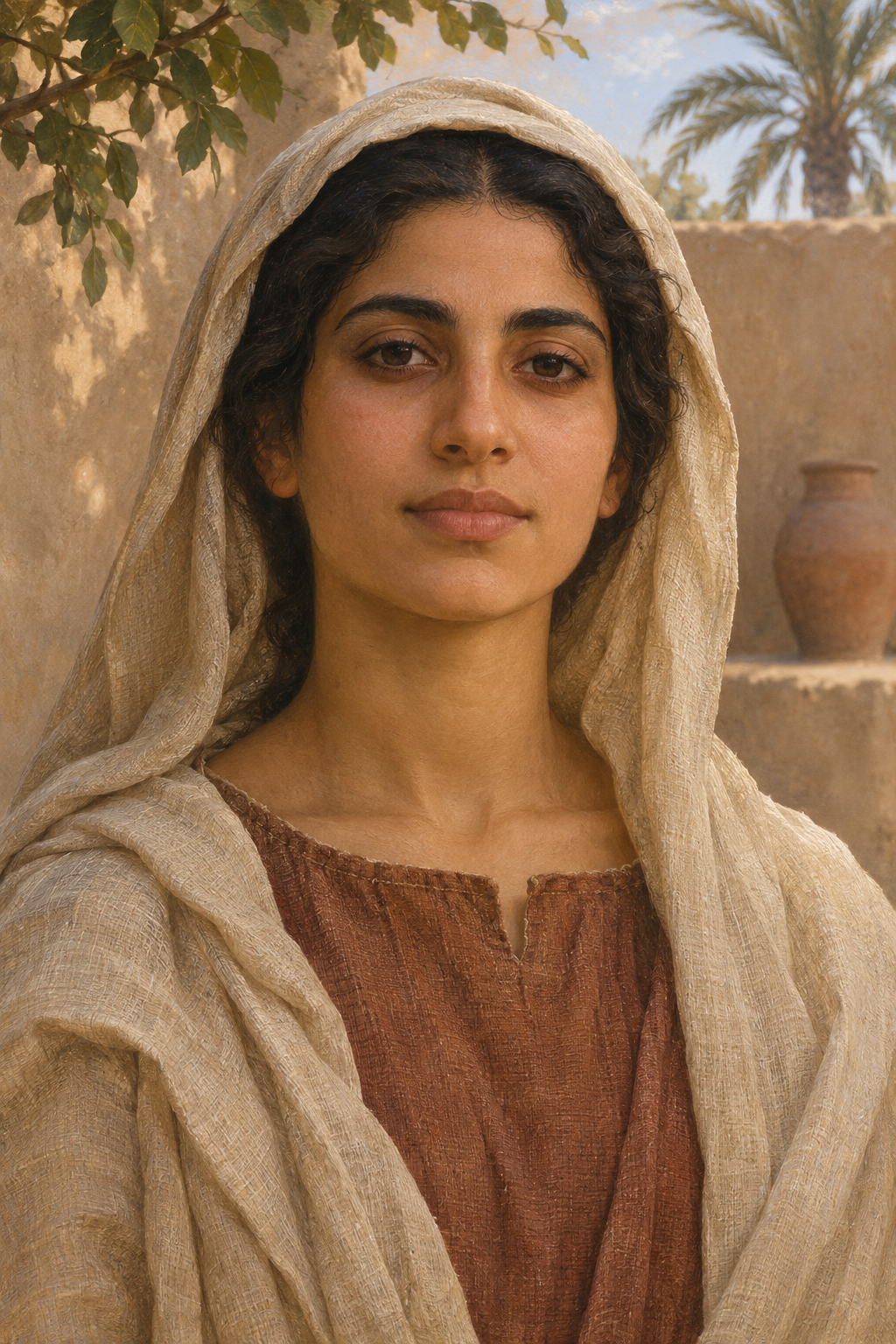
About Maura of Egypt
Maura is remembered with Timothy, a church reader in Egypt, as a Christian martyr during the persecution under Diocletian. The Orthodox Church in America’s account says Timothy came from Perapa in the Thebaid and was the son of a priest named Pikolpossos. He served as a reader and kept and copied liturgical books. Authorities denounced him for possessing Christian books, which the imperial policy ordered confiscated and burned. The account makes his work with manuscripts the reason his faith came under direct scrutiny.
The governor Arian demanded the books. Timothy refused and was tortured, including by hot rods placed in his ears, which the story says left him blind. The OCA narrative says Maura had married Timothy only twenty days earlier. Officials brought her in the hope that she would weaken her husband’s resolve. Instead, she confessed herself a Christian and accepted torture. These details are part of the ecclesiastical account, not independently corroborated trial records.
The story says Maura endured mutilation and was thrown into a cauldron of boiling water. When the governor tested the water and burned his own hand, he briefly acknowledged the miracle but later renewed his demand that she sacrifice. Maura refused help from the onlookers, saying that God was her defender. The account presents her not only as Timothy’s wife but as a witness whose own confession and endurance remain central to the joint narrative.
Timothy and Maura were crucified facing one another, the OCA says, and remained on the crosses for ten days before dying in 286. The account adds that a later celebration and church in Constantinople honored the pair, and that relics associated with Maura are venerated in Cyprus and Venice. The source supplies no further personal chronology for Maura. Her memory is preserved in the shared story of a newly married couple who each refused to renounce Christianity.
Wondering how to weigh the stories and sources? Learn how to read a saint biography.