Biography
Maximinus of Trier
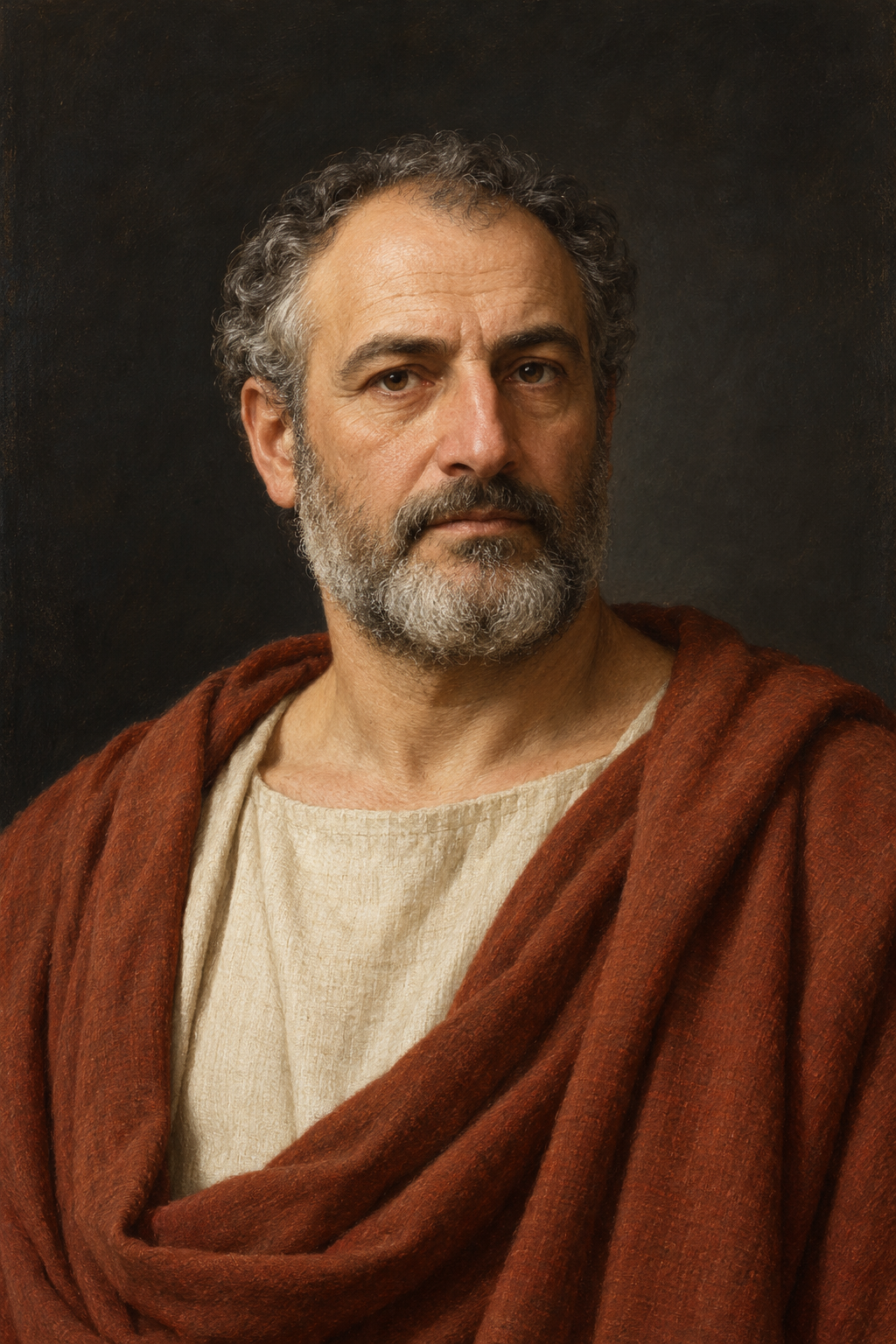
About Maximinus of Trier
Maximinus was bishop of Trier during the fourth-century disputes over the relationship of the Son to the Father. He supported Athanasius of Alexandria, who stayed in Trier in 335–337. The date when Maximinus became bishop is unknown. Andrea Binsfeld’s historical account distinguishes these circumstances from the much later Life that supplied a fuller personal story.
He helped build support for Athanasius among western church leaders and the emperor Constans. Although he did not attend the council of Serdica in 343, the opposing eastern bishops condemned him. His influence extended beyond his own city.
The Catholic Encyclopedia also records his refusal to receive four bishops sent from Antioch and his efforts to persuade Constans to reject their mission. His support for exiled bishops belonged to a deeply divided ecclesiastical and imperial world.
The earliest Life dates from the eighth century. Its accounts of his Aquitanian origins, episcopal chronology, and death near Poitiers remain disputed. Burial north of Trier is better supported, but excavations have not securely identified his particular tomb. These limits leave his birth and death dates uncertain.
The abbey of Saint Maximin subsequently honored him as its patron. Historian Lenneke van Raaij reads its tenth-century miracle narrative as an intervention in disputes about reform and property. Stories of the saint punishing lay abbots helped justify the community’s account of its own recent past; they are not contemporary testimony about the fourth-century bishop.
At Niederbrechen, the parish identifies Maximinus as its church’s patron. It relates the legend of a bear that killed his pack animal and was made to carry his luggage instead. The bear also appears in the municipal coat of arms.
At Pachten, the parish church honors Maximinus of Trier together with the Fourteen Holy Helpers. Its dedication explicitly distinguishes the bishop from other saints with similar names. Traditional invocations seek his protection against dangers at sea, rain, and perjury. These are devotional associations, not claims of guaranteed protection.
Trier honors him as a patron, and his feast is May 29. In 2023 the Russian Orthodox Church included him in the diocesan Synaxis of the Saints of Germany. That commemoration falls on October 3 in the civil calendar when it is a Sunday, otherwise on the nearest Sunday.
Wondering how to weigh the stories and sources? Learn how to read a saint biography.