Biography
Maximus of Rome
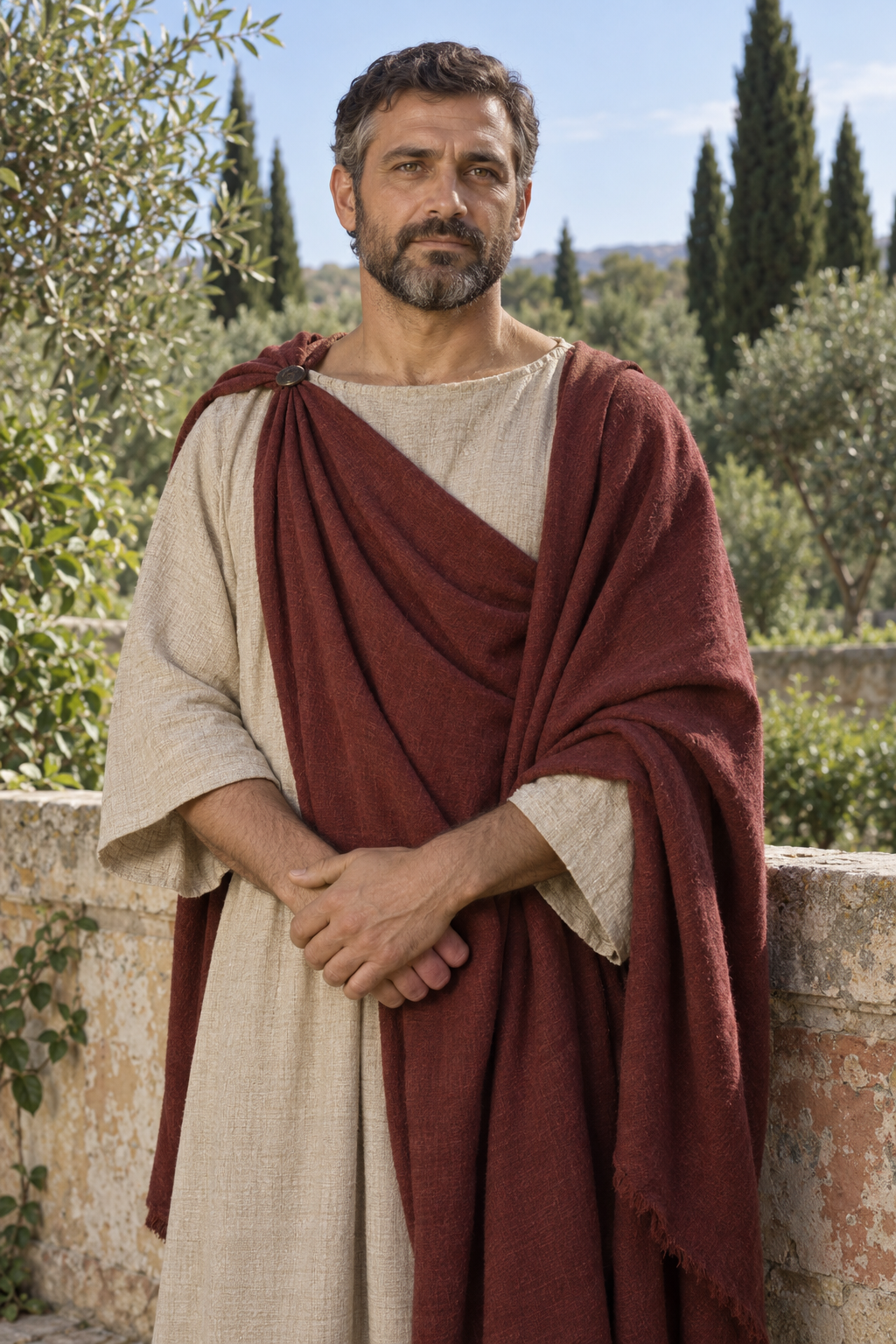
About Maximus of Rome
Maximus is honored with Tiburtius and Valerian among the martyrs associated with Rome’s Via Appia. Their names remain joined in the Catholic commemoration on 14 April.
The Passion of Cecilia places him in the service of the prefect Almachius. Charged with escorting Valerian and Tiburtius to their execution, he questions them about their hope of another life. The story then brings the prisoners to his house, where he and his household receive baptism.
After the brothers are killed, the narrative describes Maximus reporting a vision of angels receiving their souls. He is beaten to death on the prefect’s orders. Cecilia buries him beside the two men in a sarcophagus marked with a phoenix, a sign of his hope in resurrection.
The detailed narrative is much later than the events it depicts. Johann Peter Kirsch dates the Acts to about the middle of the fifth century and judges their developed story a religious romance. He distinguishes that account from the historical existence and ancient tomb devotion of the martyrs.
Enrico Josi traces that devotion through older witnesses. The Hieronymian Martyrology locates the three martyrs’ tombs in the cemetery of Praetextatus. Oil from lamps at their tombs was brought to Queen Theodelinda in Gregory the Great’s time, and seventh-century pilgrimage itineraries identify their burial place on the Via Appia.
The later history of their relics also links Maximus with the others. Vatican News records their transfer under Pope PaschalI to the basilica of Saint Cecilia in Trastevere.
Wondering how to weigh the stories and sources? Learn how to read a saint biography.