Biography
Melania the Younger
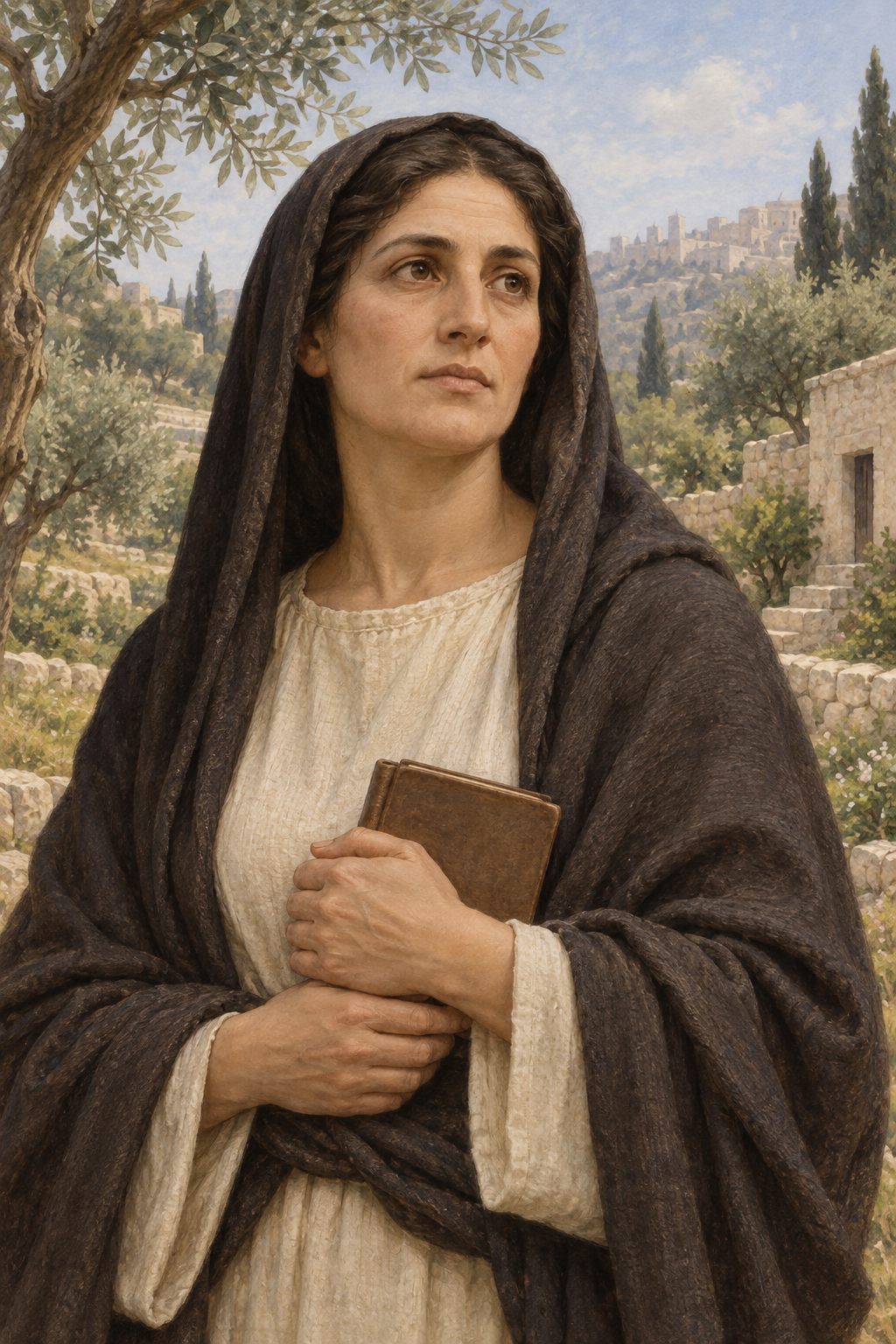
About Melania the Younger
Melania the Younger was born into Rome's senatorial aristocracy in the late fourth century. A near-contemporary Life, traditionally attributed to the priest Gerontius, is the fullest narrative of her career. Its author says he lived with her and records both what he witnessed and what others reported. The work is a hagiography written to honor a holy woman, and it survives in Greek and Latin forms. Modern scholars use it as a central source while also examining how its religious and literary purposes shaped its account. A shorter history by Palladius, who knew Melania, shows that her renunciant reputation was already known in her own lifetime.
Melania and her husband, Pinianus, came from wealthy Roman families. The Life describes their decision to adopt an ascetic life and give away much of their property, while also recounting the difficulties of family and legal claims over their estates. Elizabeth A. Clark's modern study places the decision within the political and economic world of the late Roman elite. The couple's charitable activity and transfers of wealth supported churches, monasteries, and people in need. Because the source presents these choices through a religious ideal of renunciation, they are described here without turning them into a simple story of sudden or uncomplicated abandonment of wealth.
After leaving Rome, Melania and Pinianus lived for a time in North Africa, where their patronage supported monastic communities. They later settled in Jerusalem. Clark's historical synthesis traces their movement from Rome through North Africa to the Holy Land; the Orthodox Patriarchate of Jerusalem also remembers Melania's service to the poor and her ascetic dwelling there. The surviving account presents a life of prayer and service, but dramatic episodes and precise itinerary details remain attributed to the Vita unless independently corroborated.
In Jerusalem, Melania founded a women's monastery on the Mount of Olives and was associated with a separate men's monastic foundation. Her leadership gave a Roman aristocratic woman an enduring role in the organization of ascetic communities in the Holy Land. The Vita's descriptions of her spiritual authority are shaped by its commemorative purpose, while Clark treats the foundations within the social history of Jerusalem's monastic life. Melania died in Jerusalem in 439. The Roman Martyrology and Orthodox calendars commemorate her on December 31, a liturgical date that should not be confused with a precisely established date of death.
Melania the Younger must be distinguished from her grandmother, Melania the Elder, who was also a prominent ascetic woman. The younger Melania's life is significant for the scale of her charitable patronage and her participation in the development of monastic communities in Jerusalem. Later accounts associate her with doctrinal controversies, but modern scholarship cautions that claims about her anti-Nestorian role may reflect conflicts that intensified after her death. The evidence supports remembering her as an influential ascetic and monastic founder without treating every episode in her hagiographic Life as independently verified.
Wondering how to weigh the stories and sources? Learn how to read a saint biography.