Biography
Meletius of Antioch
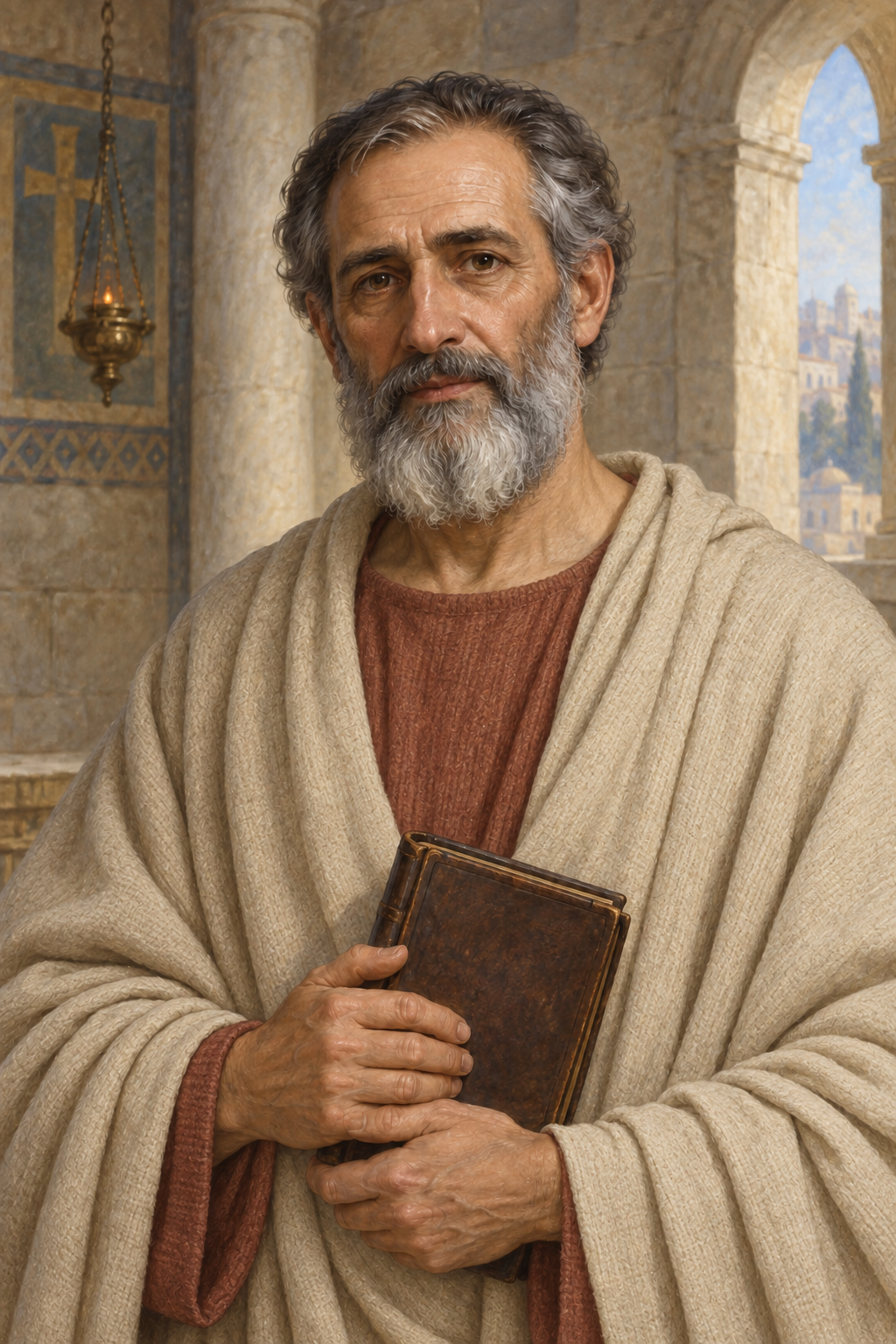
About Meletius of Antioch
Meletius of Antioch lived through disputes about Christian teaching and leadership in Antioch. The surviving accounts do not speak from a neutral position: Socrates Scholasticus and Theodoret of Cyrrhus give different emphases to the conflict, and Theodoret writes sympathetically about Meletius. The sources establish that Meletius became bishop of Antioch and that his ministry unfolded amid a contested succession and changing imperial policy. Later Orthodox biographies preserve the church's memory of his life, while details in those narratives should not be treated as contemporary testimony.
The succession at Antioch was divided between communities associated with Meletius and Paulinus. Theodoret recounts a proposal attributed to Meletius: place a Gospel on the episcopal seat and let the surviving bishop lead if one died first. Paulinus declined. Because this episode comes through Theodoret's later church history, it is evidence for the remembered dispute and Meletius's reputation among his supporters, not a verbatim record. The division involved questions of succession, communion, and authority as well as theological language, and should not be reduced to a single label for every participant.
Meletius attended the Council of Constantinople in 381. Socrates lists him among the bishops gathered there and says he confirmed Gregory of Nazianzus shortly before dying. His account places the death within the council narrative; the council setting makes Constantinople the probable place of death. The sources reviewed here support the year 381 but do not give a reliable month or day. Gregory of Nyssa's funeral oration and Theodoret's account attest to the grief and dispute that followed.
Gregory of Nyssa's funeral oration addresses Antioch's community after Meletius's death and describes the public return of his remains. As a eulogy, it offers an immediate witness to mourning and emerging veneration, while its praise is rhetorical rather than neutral biography. The Oxford Cult of Saints in Late Antiquity project identifies John Chrysostom's homily of 386 as evidence for Meletius's early posthumous cult. The Orthodox Church in America and the Antiochian Patriarchate commemorate him on February 12. That liturgical date is not an established date of death; January 1 is unsupported by the OCA daily page, where Meletius appears only in Basil's biography.
Wondering how to weigh the stories and sources? Learn how to read a saint biography.