Biography
Mellitus of Canterbury
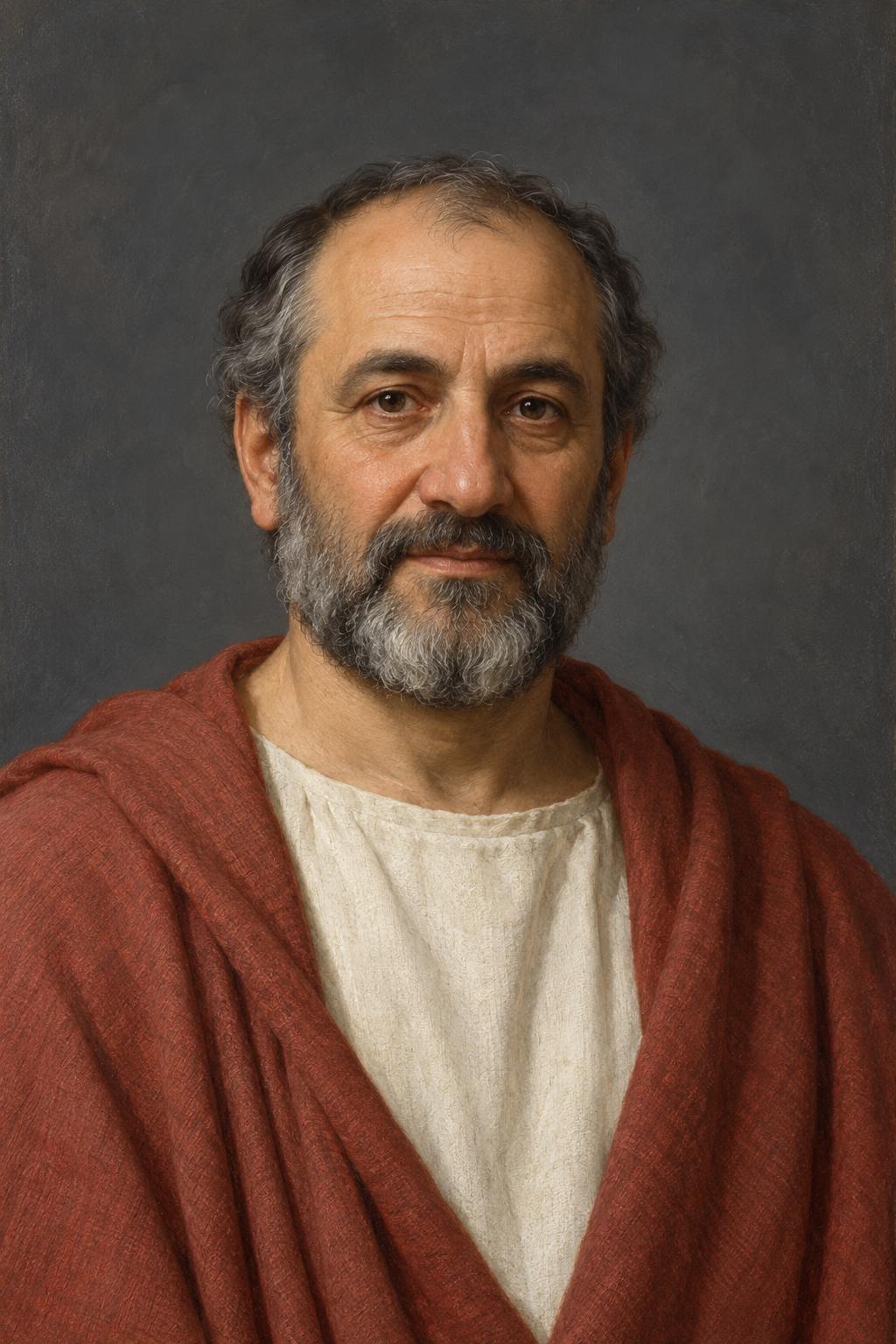
About Mellitus of Canterbury
Mellitus was among the missionaries Pope Gregory the Great sent to England in 601 to support Augustine’s work. Consecrated bishop in 604, he established his see at London, where Saint Paul’s served as his cathedral. He returned to Rome on church business and attended a council there in 610.
Gregory addressed to Mellitus a letter urging the English mission to adapt some existing practices while maintaining Christian teaching. The instruction preserved temple buildings for Christian worship while ordering the destruction of their idols; it was conversion, not acceptance of the existing religion.
After King Sæberht’s death, his sons rejected Christianity but demanded the eucharistic bread their father had received. In the account preserved by Bede, Mellitus refused to give it to them without baptism, and they expelled him. He took refuge first in Kent and then in Gaul. His return to Kent did not restore him to London.
He succeeded Laurence as archbishop of Canterbury in 619. The suggestion that he had previously been abbot of Saint Andrew’s monastery in Rome remains uncertain. Bede remembered his noble birth and his suffering from gout.
A story of his Canterbury years describes him being carried toward a spreading fire because he was too ill to walk. His prayer was followed by a change of wind that diverted the flames. This is remembered as a miracle in the hagiographical account. A separate legend credits him with founding Westminster Abbey, but the Catholic Encyclopedia rejects that attribution.
Mellitus died on April 24, 624, and was buried in the church of Saints Peter and Paul at Canterbury. The Catholic church of Saint Mellitus at Tollington Park honors him as its patron and keeps his feast on April 24.
The Diocese of London’s Anglican calendar also commemorates him on April 24, with prayers and readings appointed for his remembrance.
Wondering how to weigh the stories and sources? Learn how to read a saint biography.