Biography
Methodios I of Constantinople
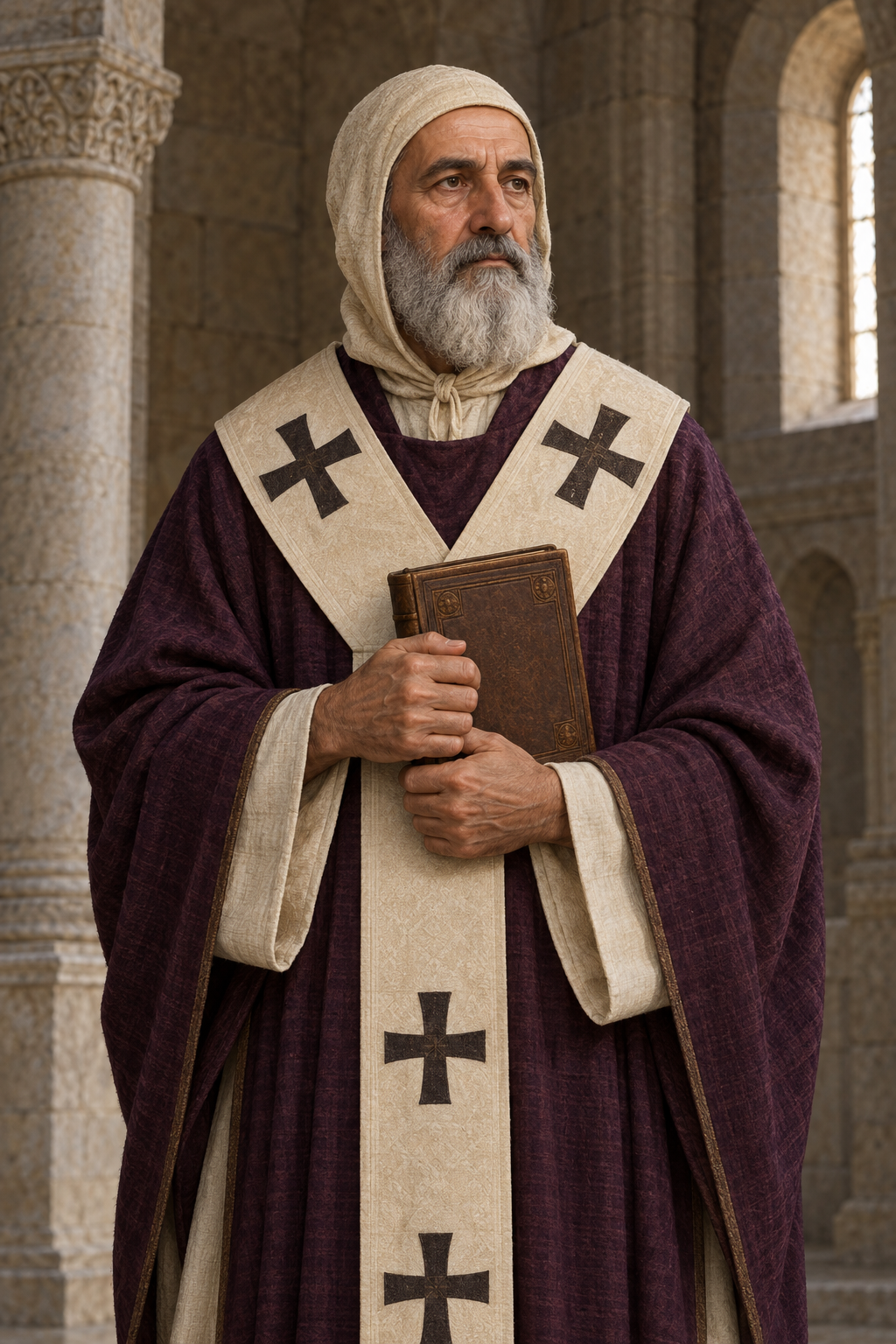
About Methodios I of Constantinople
Methodios came from Syracuse in Sicily and entered monastic life after abandoning plans for a career in Constantinople. The chronology of his youth remains disputed. He became associated with Patriarch Nikephoros and later traveled to Rome during renewed imperial opposition to religious images. Letters from Theodore the Studite show that he helped communicate with Pope Paschal I. He also copied manuscripts and worked on accounts of saints. In 821 he returned to Constantinople carrying a papal letter. Emperor Michael II had him beaten and imprisoned.
The accounts disagree about the duration and location of his confinement. They also leave its political background difficult to separate from the religious dispute. Under Theophilos, Methodios eventually lived under supervision near the emperor. His learning won recognition even while his support for icons made him a potential focus of opposition.
Methodios left his own witness to suffering in his Life of Euthymius of Sardis. According to the scholarly reconstruction, he cared for Euthymius after the bishop was beaten and completed the account in February 832, forty days after Euthymius’s death. This work preserves autobiographical information as well as a tribute to another church leader.
His writing was more than the repetition of earlier saints’ stories. In a study of his praise of Agatha, Dirk Krausmüller argues that Methodios used commentary on the martyr’s story to explore Christian ideas about gender and human perfection. The study interprets him as redirecting human desires toward Christ rather than treating their complete removal as the final goal. This is a modern reading of one work, not a summary of everything Methodios taught.
After Theophilos died, negotiations over restoring icon veneration continued under Empress Theodora’s government. Methodios became patriarch in 843. The public celebration on March 11 marked the restoration and became associated with the annual Sunday of Orthodoxy. The settlement also protected the reputation of the deceased emperor, whose supposed final repentance became the subject of religious narratives.
Restoring icons did not settle the position of clergy who had served under iconoclast patriarchs. Methodios removed bishops and priests from office. Historian Venance Grumel argues that the policy distinguished among clergy according to their ordination and subsequent conduct. A letter to Jerusalem discussed conditional readmission for some who repented, but Methodios also complained that none had demonstrated the repentance required. This evidence does not support describing his policy as a general amnesty.
A separate conflict brought him against the monks of Studion and their allies. Surviving fragments of his instructions demanded that they condemn Theodore the Studite’s writings against the earlier patriarchs Tarasios and Nikephoros. The monks refused to reject their teacher’s work. Methodios imposed removal from office and other ecclesiastical penalties. Grumel identifies the argument over these writings as the clearest point established by the patriarch’s surviving documents.
The letters of Ignatios the Deacon show another side of Methodios’s responsibilities. Ignatios appealed to his reputation for generosity toward poor people and also asked him to recover a Gospel book that another bishop would not return. Such requests place the patriarch within everyday networks of assistance and obligation, alongside the better-known disputes over doctrine and office.
His dealings with Michael the Synkellos were similarly personal. Michael’s Life says that Methodios helped restore property to the Chora monastery and brought the dying monk to make his farewells at the palace. He then cared for Michael in his own quarters before the monk returned to his monastery. These episodes belong to Michael’s devotional biography, rather than an independent administrative record.
Accounts of Methodios’s learning also remembered his work as a copyist. His anonymous Life portrays him copying a Psalter each week during one Lent. This is a biographer’s description of disciplined work, not a verified surviving manuscript collection. The record also credits him with verses honoring the forty-two martyrs of Amorion.
Methodios is remembered in both Catholic and Orthodox traditions, with a feast on June 14. The older Catholic Encyclopedia records that shared recognition and names sermons, letters, and writings about earlier saints among his surviving works.
The Orthodox Church in America likewise commemorates him on June 14 and emphasizes his role in restoring icon veneration. Its brief life presents his final years as peaceful. That devotional emphasis leaves out the unresolved conflict with the Studites described in the historical studies.
Methodios died in Constantinople on June 14, 847. His successor Ignatios lifted the penalties imposed on the Studites. The restoration of icons and the continuing dispute within the victorious church therefore belong to the same account of his leadership.
His continuing Byzantine Catholic remembrance is visible in the Metropolitan Cantor Institute’s June 14 services. Their hymns recall his imprisonment and defense of icons, while the introductory notice connects his Roman mission with the later restoration. The service preserves the community’s devotional memory of a suffering monk who became its bishop.
Wondering how to weigh the stories and sources? Learn how to read a saint biography.