Biography
Nabor of Milan
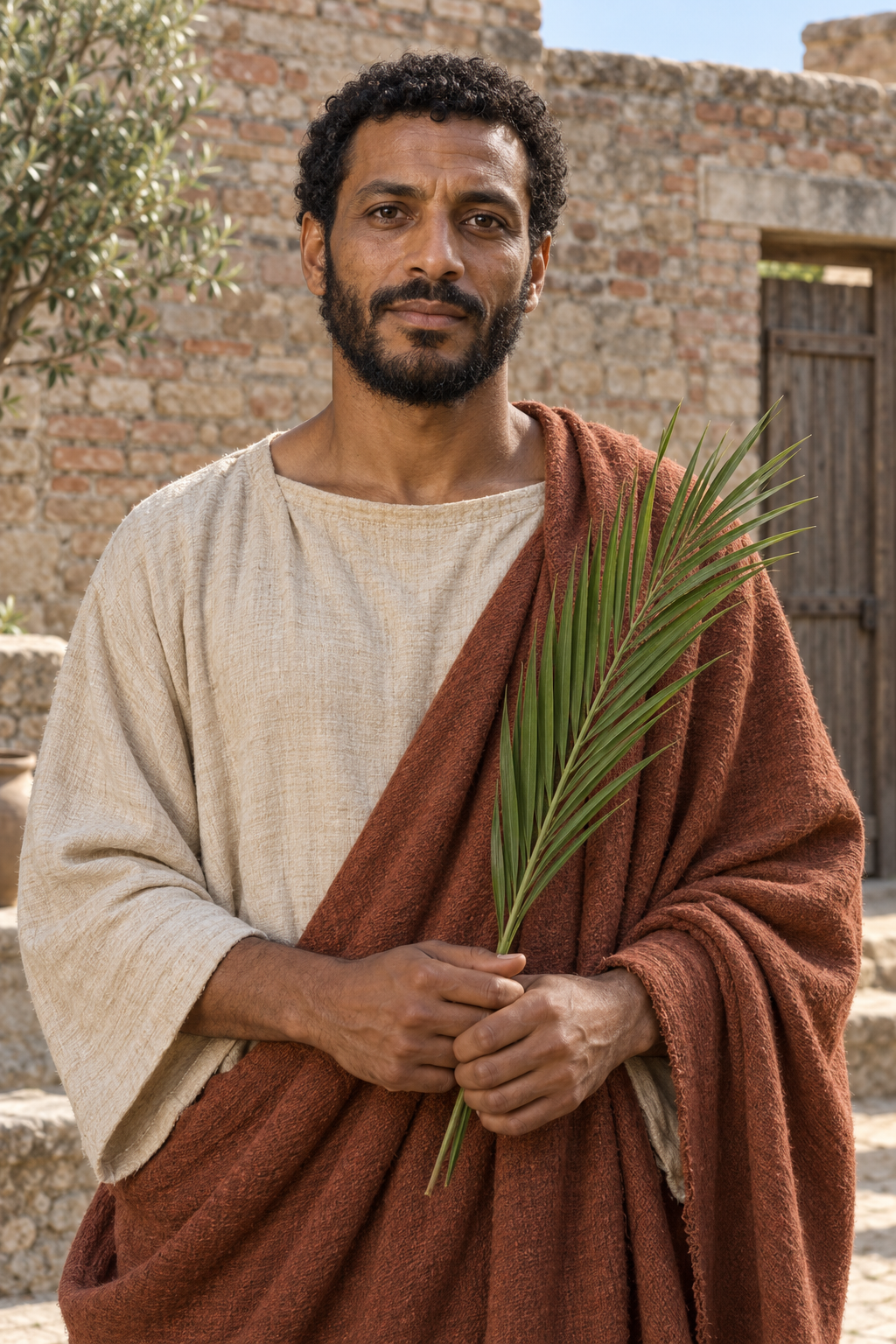
About Nabor of Milan
Nabor is remembered with Felix as a Christian martyr whose relics were honored at Milan. The Catholic Encyclopedia places their deaths in the persecution of Diocletian, conventionally in 303. Their feast is celebrated on 12 July.
Ambrose’s hymn honors Nabor, Felix and Victor as strangers of North African origin who became Milan’s martyrs. It presents them as soldiers of Christ, with faith as their shield. The poem celebrates their willingness to give their lives for Christ through the language of military service and spiritual courage.
Later Acts supplied a fuller account: Nabor and Felix served in Maximian’s army, were condemned at Milan and were beheaded at Lodi. Johann Peter Kirsch’s scholarly account treats these Acts as legendary and notes their borrowing from other martyr narratives. The detailed execution story therefore belongs to later tradition.
Their early veneration is recorded by Paulinus of Milan in his Life of Ambrose. He describes crowds visiting Nabor and Felix’s tombs, protected by barriers, in the basilica where the previously unrecognized graves of Gervasius and Protasius were found. Nabor and Felix already had an established place in the community’s devotion.
The Basilica of Sant’Ambrogio’s historical itinerary records the transfer of their remains from San Francesco Grande to the basilica in 1799. The two martyrs continue to be remembered there together.
The parish account from Ossona describes the renewal of their earlier church and cult by the Franciscans in the thirteenth century. It also records the disappearance of two reliquary busts around the 1799 transfer and their recovery in Belgium 160 years later. Cardinal Giovanni Battista Montini arranged their return with solemn honors to Milan and Lodi Vecchio. These later events concern the preservation of the martyrs’ memory and relics.
Wondering how to weigh the stories and sources? Learn how to read a saint biography.