Biography
Nicetius of Lyon
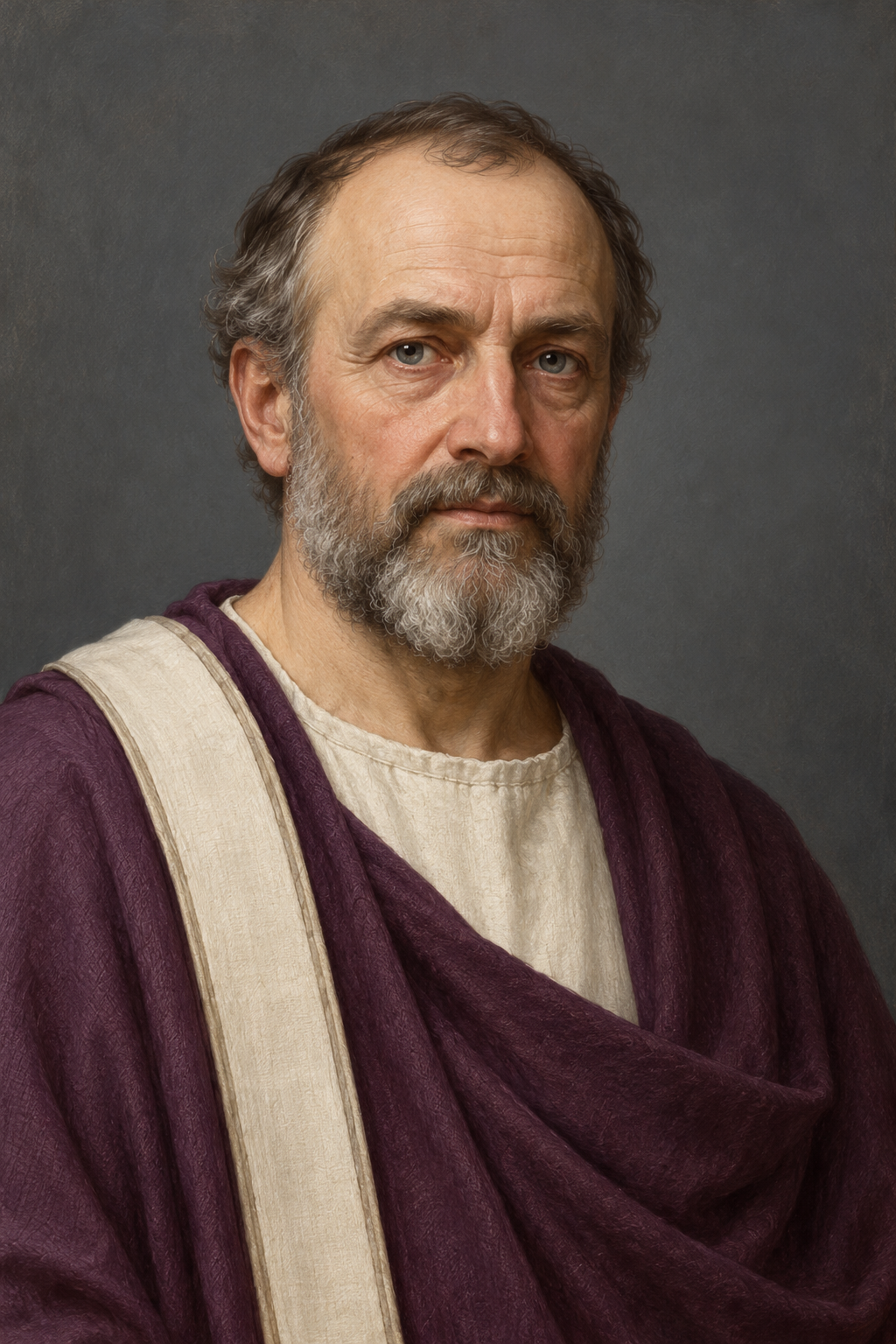
About Nicetius of Lyon
Nicetius, known in French as Nizier, was bishop of Lyon in the sixth century. He succeeded his uncle Sacerdos, whose request to the king helped secure his appointment. The diocesan museum’s account places his accession in either 552 or 553. It also remembers his efforts to bring clergy under ecclesiastical jurisdiction and his leadership at a regional council in 566 or 567.
An early Life credits Bishop Agricola of Chalon with ordaining him priest. This work is attributed to Aetherius, a later bishop of Lyon who promoted Nicetius’s cult and understood his own appointment as an answer to the saint’s intervention. It is an important early witness, but also a work written to encourage devotion.
Gregory of Tours describes healing at Nicetius’s tomb, but his account also preserves bitter conflict over the bishop’s memory. Gregory portrays Nicetius’s successor Priscus and his household as opponents and interprets their illnesses as punishment. Another episode has the dead saint striking a deacon’s throat in a dream because he failed to deliver a warning. These are Gregory’s religious explanations of events, not independent evidence that Nicetius caused illness or injury.
The Lyon parish commemorates his death on April 2, 573. Its church became known by his name after his burial there and the growth of devotion around his tomb. The present church belongs largely to later centuries. A chapter of sixteen canons was established in 1306, and major rebuilding began in the fifteenth century. The façade and towers also reflect substantial nineteenth-century restoration. Its continued dedication should not be confused with the survival of Nicetius’s own building.
His patronage also survives in the communities of Saint-Nizier-d’Azergues and Saint-Nizier-le-Désert. His local feast is April 2.
Wondering how to weigh the stories and sources? Learn how to read a saint biography.