Biography
Nicetius of Trier
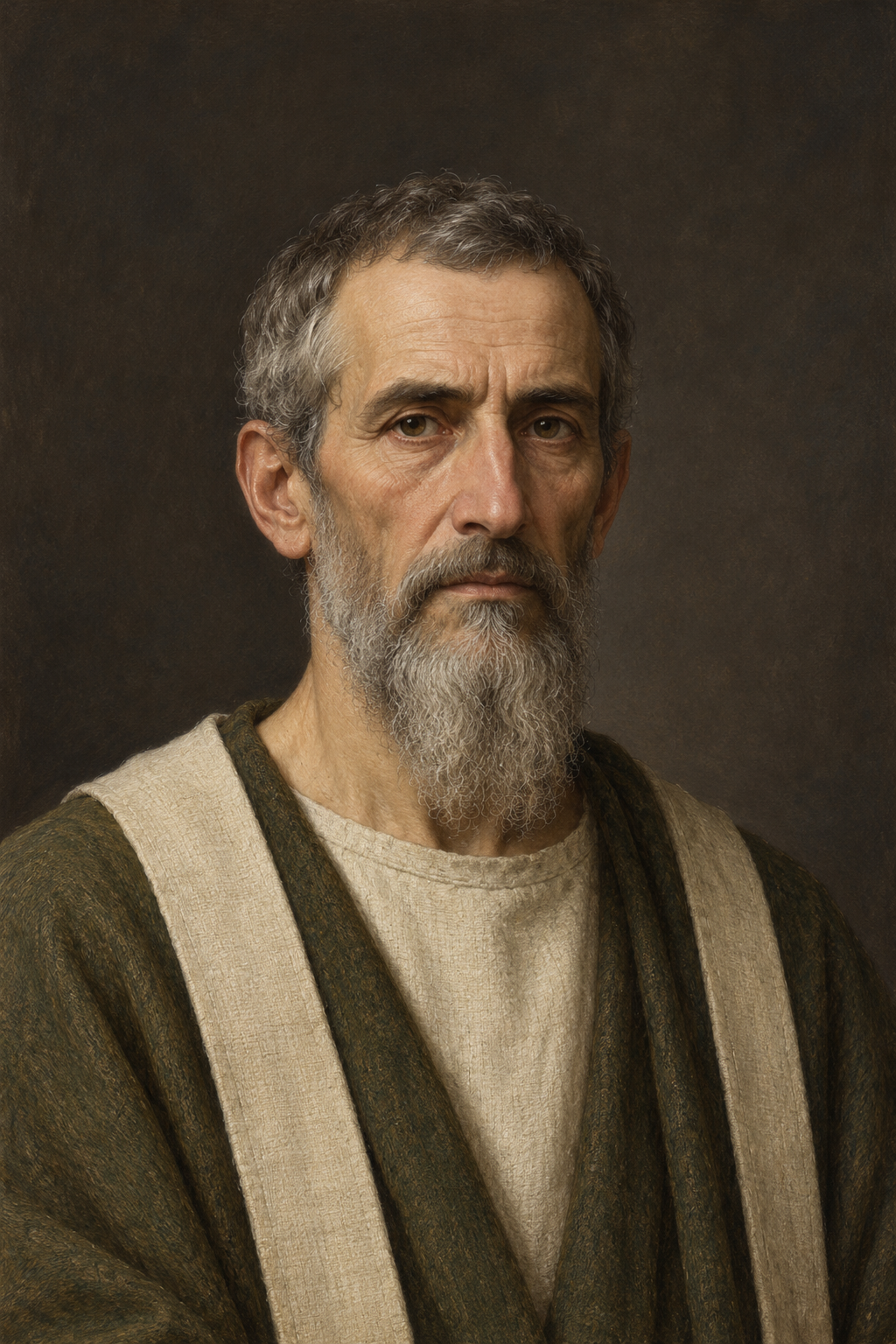
About Nicetius of Trier
Nicetius became bishop of Trier around 525 or 526 through the appointment of King Theuderic I. He had previously been an abbot in the Auvergne. His episcopate combined participation in church councils with criticism of powerful people, including the king’s successors. Under Chlothar he was sent into exile; Sigebert recalled him after 561.
A surviving letter to Queen Chlodosind shows how he pursued religious influence beyond his diocese. He asks her to read his arguments repeatedly to her husband Alboin and draw him toward Nicene Christianity. Nicetius defends the unity of Father, Son, and Holy Spirit, while sharply attacking rival Arian teachers. He also appeals to reported miracles at saints’ shrines as evidence for his position. His language is polemical: he portrays the opposing teachers as dangerous deceivers and links conversion with salvation and success against enemies. The letter records his convictions and methods; it does not establish that Alboin accepted his appeal.
The diocese remembers his work to educate clergy, encourage monastic life, and restore damaged churches. He brought Italian builders to Trier for the rebuilding of the episcopal church. He was buried in Saint Maximin’s Church, and his diocesan feast is October 3.
The precise date of his death is unsettled. Modern scholarship gives alternatives in 566 or 569, rather than a securely established day and year. His name appears among the saints in the Egbert Psalter of about 981.
At Langweiler, he is the patron of the parish church. A local account published in 1993 describes the village festival on the first Sunday of October, including worship in his honor and a memorial service for the dead. This is evidence of a particular community’s devotion, rather than patronage of the entire Trier diocese.
Wondering how to weigh the stories and sources? Learn how to read a saint biography.