Biography
Oran of Iona
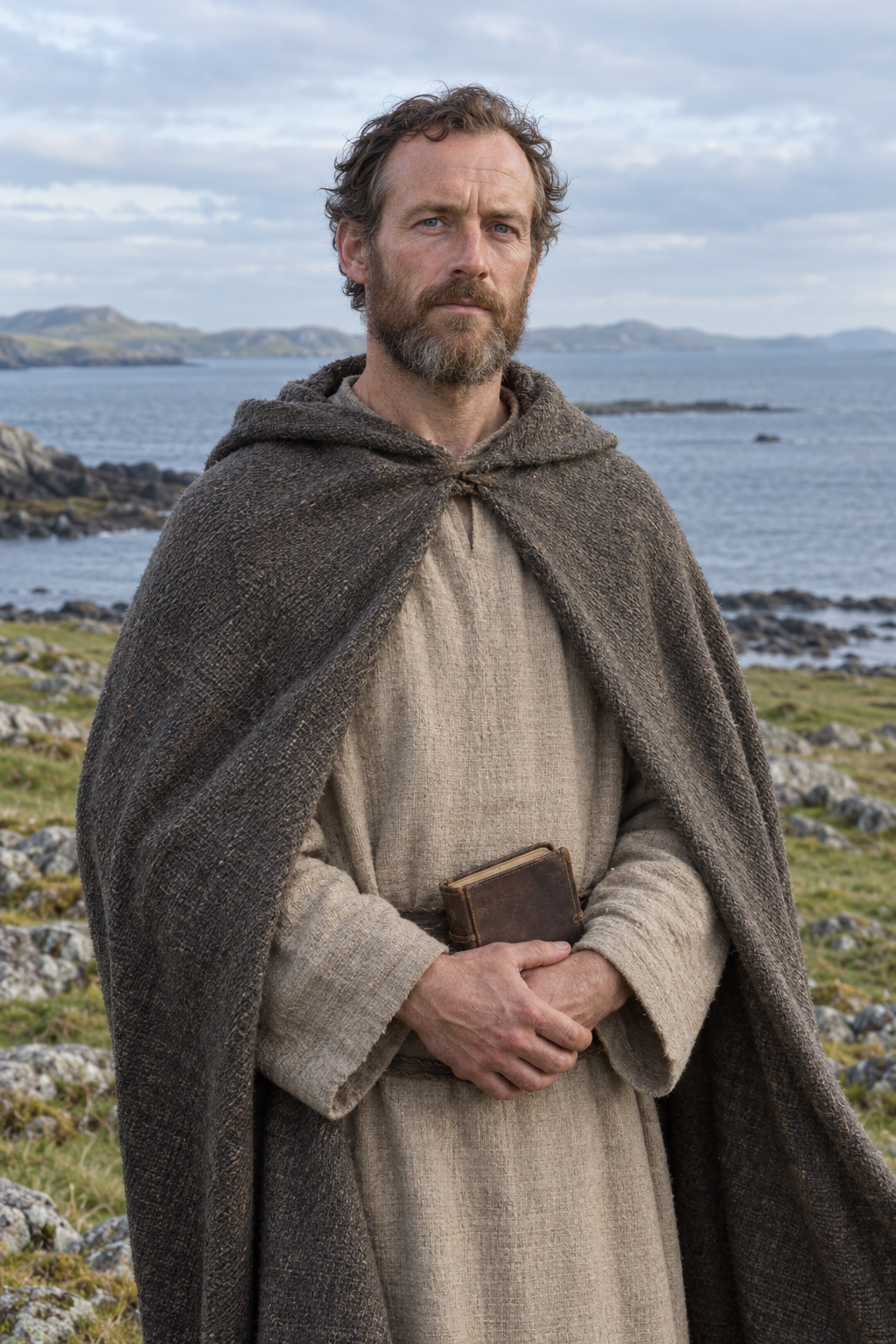
About Oran of Iona
Oran of Iona is remembered under the Gaelic name Odrán and the Irish church name Otteran. A homily published by the Irish Catholic bishops identifies him with the saint honored by the Christianized Vikings at Waterford and by the cemetery on Iona.
His familiar story belongs to medieval tradition. Gilbert Márkus traces its earliest occurrence to a twelfth-century Irish Life of Columba. In that account, Columba asks whether someone will go into the island’s soil to consecrate it. Oran volunteers, receives a promise that pilgrims will approach his grave before Columba’s, and dies. Márkus interprets the episode as an explanation of Iona’s pilgrimage route: visitors approached Oran’s presumed grave before continuing to Columba’s shrine.
The story does not establish an early personal chronology. Historic Environment Scotland notes that Adomnán’s Life of Columba gives it no support and that Oran is absent from the earliest companion list. Surviving sources connecting him to Iona begin in the eleventh century or later. The standing chapel dedicated to him is a twelfth-century building; there is no evidence for a sixth-century structure on that site.
Namesake traditions also complicate the record. The University of Glasgow database notes that medieval calendar glosses offered several different identifications for the Odrán commemorated in October.
His church commemoration continues beyond Iona. The Catholic National Proper for Ireland honors Otteran as a monk on 27 October. Michael Olden’s ordination homily names him alongside Declan and Carthage as a patron of Waterford and Lismore.
Wondering how to weigh the stories and sources? Learn how to read a saint biography.