Biography
Paphnutius of Thebes
About Paphnutius of Thebes
Paphnutius of Thebes is remembered as an Egyptian bishop who survived persecution, but his historical identity is disputed. Helen Parish describes how the accounts developed over time and how scholars have questioned both his episcopal status and his presence at Nicaea.
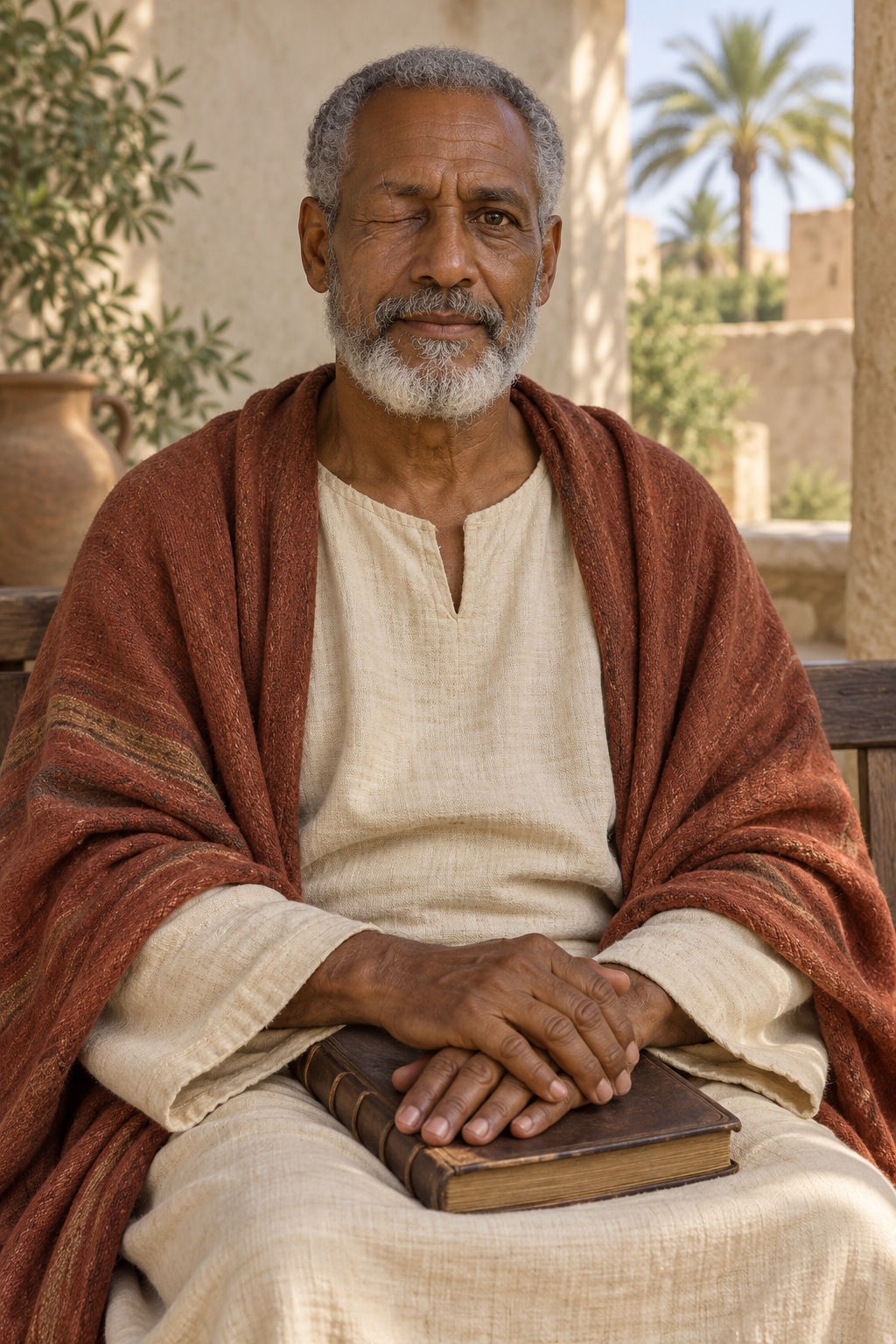
Socrates Scholasticus places him in an unnamed city of Upper Thebes. In his account, Paphnutius had lost an eye during persecution, and Constantine honored him by kissing the injured place. The historian also presents him as an unmarried ascetic who opposed imposing compulsory continence on clergy already married before ordination. He argues that excessive demands could harm both husbands and wives. The assembled bishops accept his advice in this telling.
That intervention became the most influential part of his story. Parish traces its use in medieval and Reformation arguments about clerical marriage. It entered Western canonical collections, while other writers denounced it as fiction. Modern objections include the late development of the narrative and the absence of his name from the most reliable council lists. Parish also records scholars who defended the story, so its reception contains disagreement rather than a single uninterrupted judgment.
The Catholic Church in Norway’s notice warns that the figure called Paphnutius the Great has probably combined the bishop with a later abbot of Scetis. It separates him from the martyr said to have died with 546 companions and from the ascetic associated with Onuphrius. These are different strands of tradition, not episodes in one established life. The same church notice commemorates the bishop on 11 September and reports his traditional patronage of miners.
Wondering how to weigh the stories and sources? Learn how to read a saint biography.