Biography
Parthenius of Lampsacus
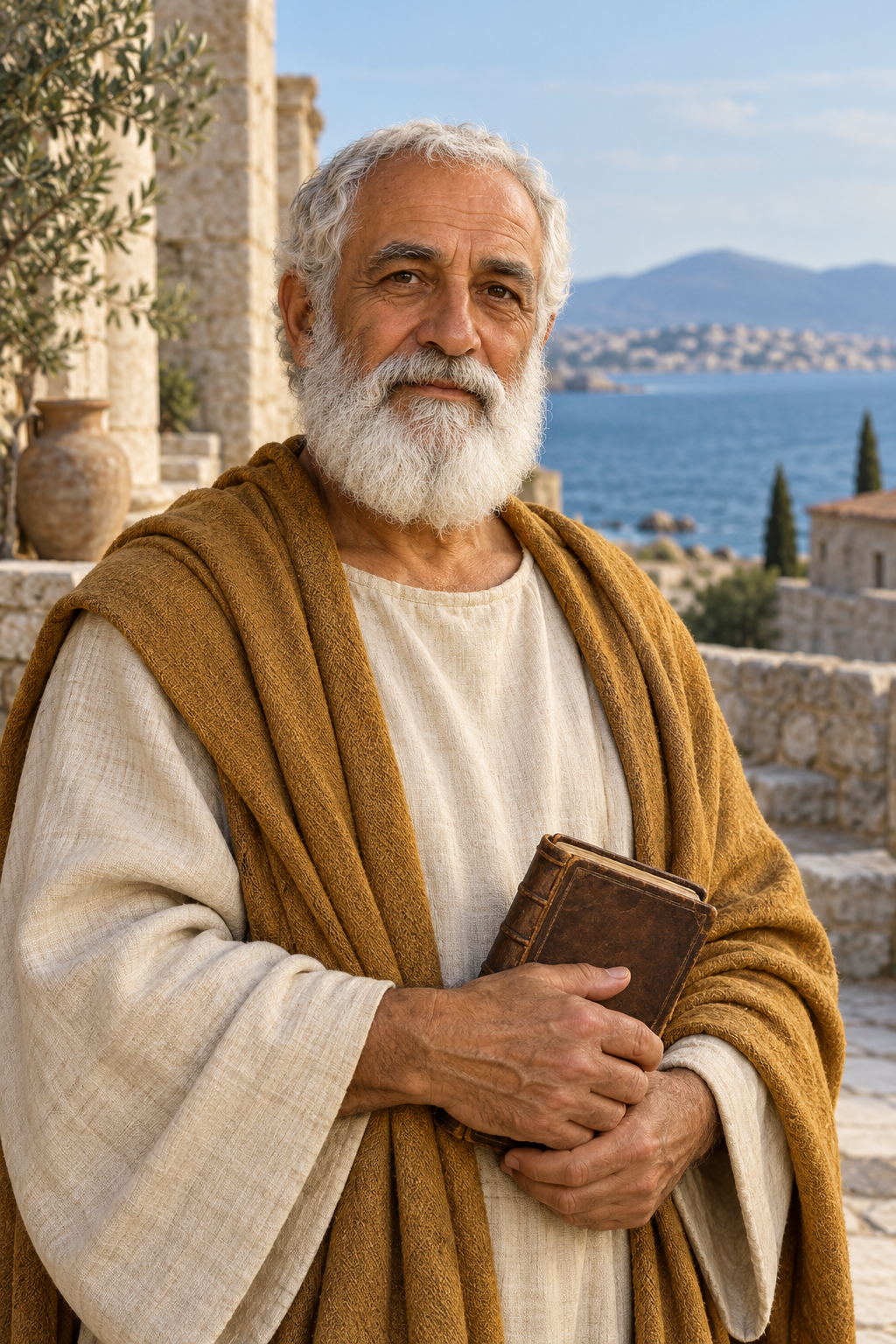
About Parthenius of Lampsacus
Parthenius served as bishop of Lampsacus in the fourth century. His coastal see lay in Mysia, at the entrance to the Hellespont, opposite Callipolis. The Catholic Encyclopedia lists him as the city’s first known bishop and places him under Constantine. Lampsacus belonged to the ecclesiastical province headed by Cyzicus.
His life survives in an account attributed to Crispinus, apparently a companion or disciple, and in a later version associated with Symeon Metaphrastes. The Orthodox Encyclopedia considers its detailed geography and local information evidence for an early account. Much of the narrative nevertheless consists of miracles. Its stories preserve religious testimony rather than independently established reports of healing.
According to this tradition, he came from Melitopolis, where his father served as a deacon. As a young man he learned Scripture by listening in church, although he could not initially read. He earned money by fishing and gave the proceeds to poor people. Bishop Philip arranged for his education and ordained him a priest.
The account then follows him to Lampsacus as bishop. It says that he sought imperial authorization to demolish pagan temples and obtained money for a Christian church. This episode belongs to the story of the city’s conversion under Christian imperial patronage.
A dramatic story concerns a driver killed while transporting stone for the new church. Parthenius is said to have prayed and restored him to life. Other episodes describe exorcisms and cures.
The life also tells of a visit to Heraclea, where Parthenius confronted a bishop accused of greed. He urged him to return property taken from the poor. Later, when gifts arrived from Heraclea, Parthenius directed that they too be distributed. The narrative closes with his return to Lampsacus and peaceful death in old age; it does not provide a securely established death year.
Greek Orthodox devotion remembers him especially as a patron of people with cancer. The Metropolis of Kifissia publishes this designation together with a prayer for sufferers. That prayer also asks for guidance for medical researchers seeking treatments and for strength and relief for those in pain. The association records a practice of prayer and intercession, not a demonstrated cure.
His memory is also attached to relics reported at Makrymalli monastery. The same diocesan account describes a portion of his skull preserved there.
February 7 remains his commemoration in the Orthodox Church in America. A Byzantine Catholic parish calendar also observes him that day. His remembrance therefore extends across these Eastern Christian communities, without implying that every Christian calendar has the same observance.
Wondering how to weigh the stories and sources? Learn how to read a saint biography.