Biography
Pelagia of Tarsus
About Pelagia of Tarsus
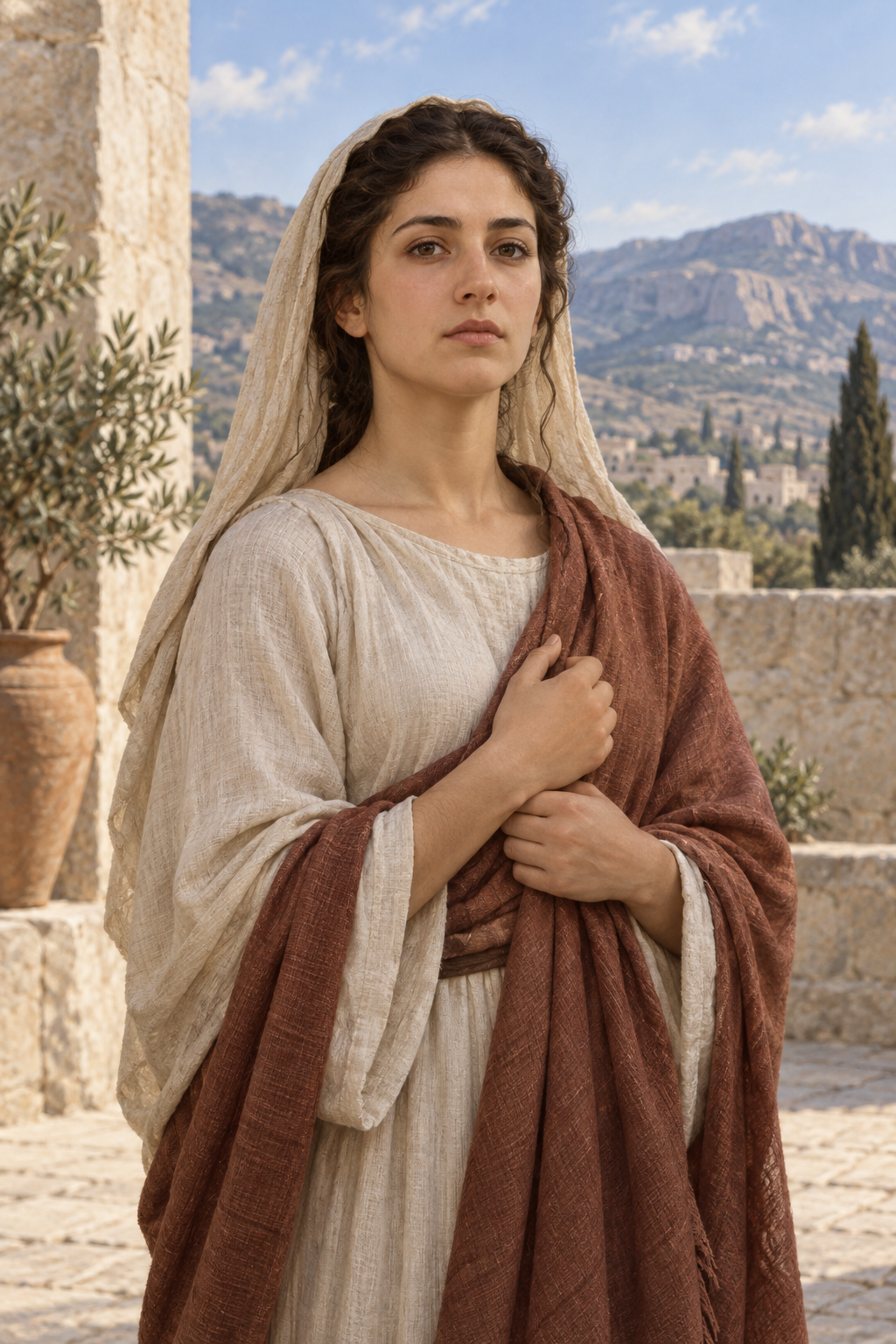
Pelagia of Tarsus is a name kept in Christian worship. The Orthodox Church in America commemorates her on May 4 as a virgin martyr, as does the Greek Orthodox Patriarchate of Antioch. An older Roman martyrology also places a virgin Pelagia at Tarsus on May 4 and says she suffered under Diocletian. These witnesses show that a recognizable Tarsus commemoration crossed church traditions. They do not, by themselves, supply a contemporary record of the woman's life or prove that May 4 was the day she died. The place-name belongs securely to the cult's title; whether it is a recoverable birthplace or precise death place for a distinct historical person is less certain.The fullest modern church retellings follow a later story. In the Orthodox account Pelagia hears the Christian message, seeks baptism from a bishop named Linus, and refuses a marriage linked to the imperial household. The tale proceeds through a confrontation with Diocletian to a death in a heated bronze bull. It adds a miraculous spring, angelic help, and lions guarding her remains. These scenes convey the story's themes of faith, chastity, generosity, and courage, but the reviewed sources do not give independent contemporary evidence for the suitor, the conversations, the wonders, or the manner of death. The Catholic Church in Norway explicitly presents the narrative as legend and traces it to a much later hagiographic tradition.There is also a question about Pelagia's identity. The Catholic historian J. P. Kirsch distinguishes an Antiochene virgin martyr, whose remembrance has early witnesses, from a penitent Pelagia in later legend and from the figure celebrated at Tarsus. He proposed that the Tarsus figure may have arisen when devotion to the Antiochene martyr was carried to nearby Tarsus and reshaped into another martyr story. That is an argument about the evidence, not a demonstrated merger of two individuals. The catalog can preserve the Tarsus commemoration without treating the later narrative as a separate, fully documented biography. The image on this page is likewise an imaginative aid, not a portrait of a known historical woman.Different tellings supply different exact years for her martyrdom. The Norwegian Catholic directory reports 290 and 304 as traditional alternatives, while the Antiochian calendar gives 284. None is anchored here by an early dated witness that could justify a catalog death year. October 7 also appears in the Orthodox life as another commemoration, but the inherited May 4 observance has direct support across the reviewed calendars. A careful profile therefore records May 4 in the relevant traditions and leaves birth, death, and personal place fields blank. It describes Pelagia as a traditionally venerated martyr of Tarsus while letting readers see the difference between that enduring devotion and the historical uncertainty surrounding her story.
Wondering how to weigh the stories and sources? Learn how to read a saint biography.