Biography
Peregrine Laziosi
About Peregrine Laziosi
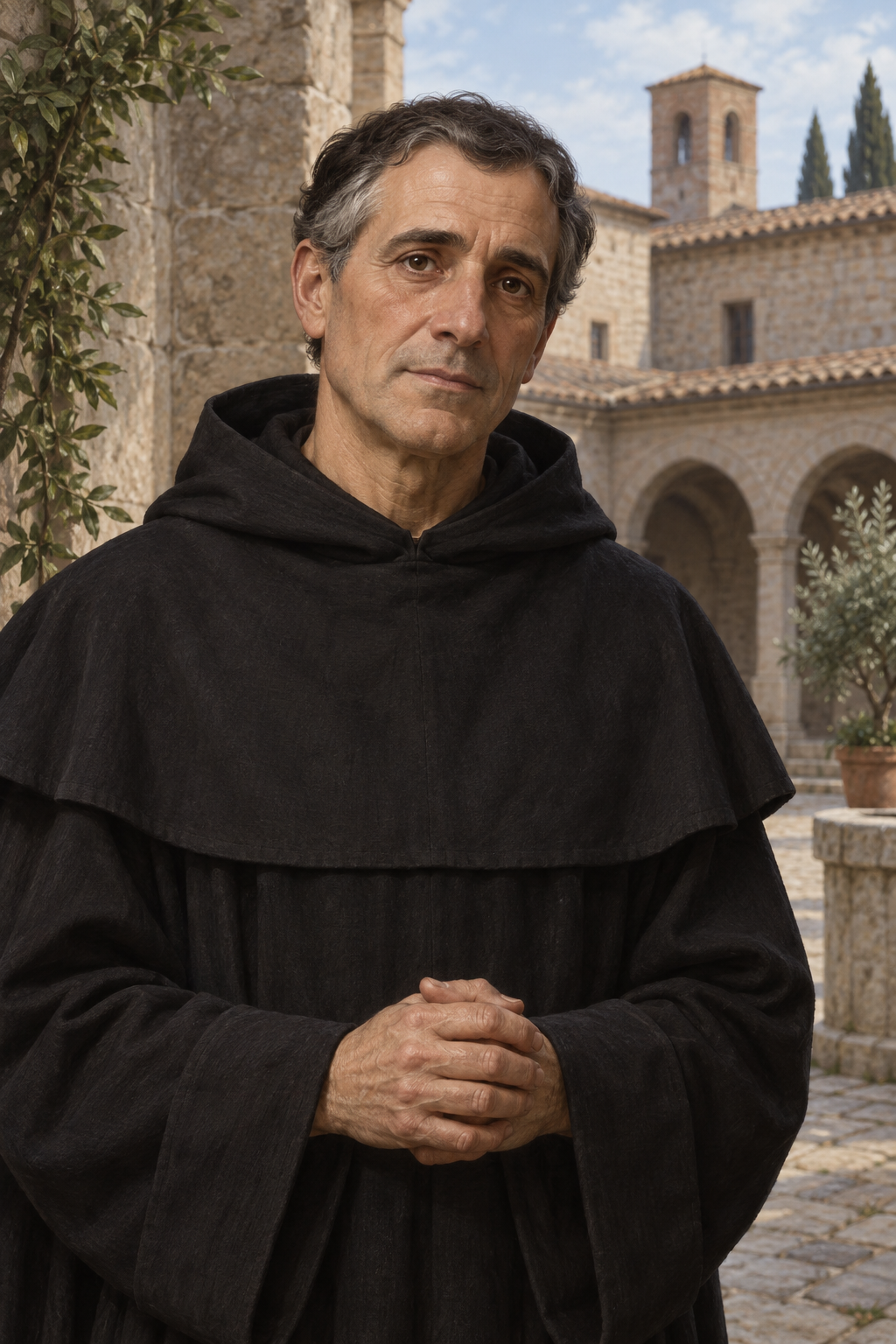
The Peregrinus commemorated at Forlì on May 1 is Peregrine Laziosi, a religious of the Order of the Servants of Mary. The older Roman martyrology gives both the city and the Order, which resolves the otherwise ambiguous imported catalog name. He should not be confused with the martyr Peregrine of Auxerre, whose Catholic commemoration is on May 16. The Vatican Dicastery for the Causes of Saints identifies Laziosi as born at Forlì around 1265. That approximate year is appropriate for a partial birth date, while the place is independently named in the same official record. His story belongs to late medieval Italy, not the early missionary history of Gaul attached to the Auxerre saint.The Dicastery's biography describes a city troubled by conflict between papal supporters and opponents. A later popular episode says that Peregrine, then a young man, struck the Servite leader Philip Benizi during a public confrontation and was moved by Philip's gentle response. The same Vatican page explicitly says hagiographers dispute that incident and that the circumstances of Peregrine's conversion are not certain. It records his entrance into the Servants of Mary when he was about thirty and notes that he entered as a religious rather than as a priest. His novitiate was at Siena, followed by his return to Forlì. That more modest sequence supports his religious identity without treating the striking episode as established fact.Peregrine's later devotion is strongly linked to illness. The Dicastery recounts a severe wound on his leg and a planned amputation, followed by a dream of Christ and a healing that the community understood as miraculous. This is a cherished part of his cult; it is not a medical case record from which a modern diagnosis can be established. The Dicastery calls him a protector invoked against cancers. A profile can explain that patronage without claiming that the source proves the exact pathology of Peregrine's own wound or promises a cure to anyone who prays. The commissioned artwork depicts a friar in prayer and leaves out a diseased limb and the healing scene so that the image does not imply a verified medical event.The Dicastery records Peregrine's death on May 1, 1345. The Servite Order's own history also places his death in 1345. A later cult developed around his memory: in 1609 Pope Paul V authorized veneration with the title blessed, and in 1726 Pope Benedict XIII canonized him. These institutional dates are better documented than the dramatic scenes of the popular life. The May 1 observance appears both in the older Roman calendar and on the Vatican saint page. This account therefore separates a secure name, order, city, and calendar history from details that survive in hagiographic retelling. The value of Peregrine's example in the sources lies in religious service and care for the poor, alongside the hope his devotion offers people facing serious illness.
Wondering how to weigh the stories and sources? Learn how to read a saint biography.