Biography
Perpète of Dinant
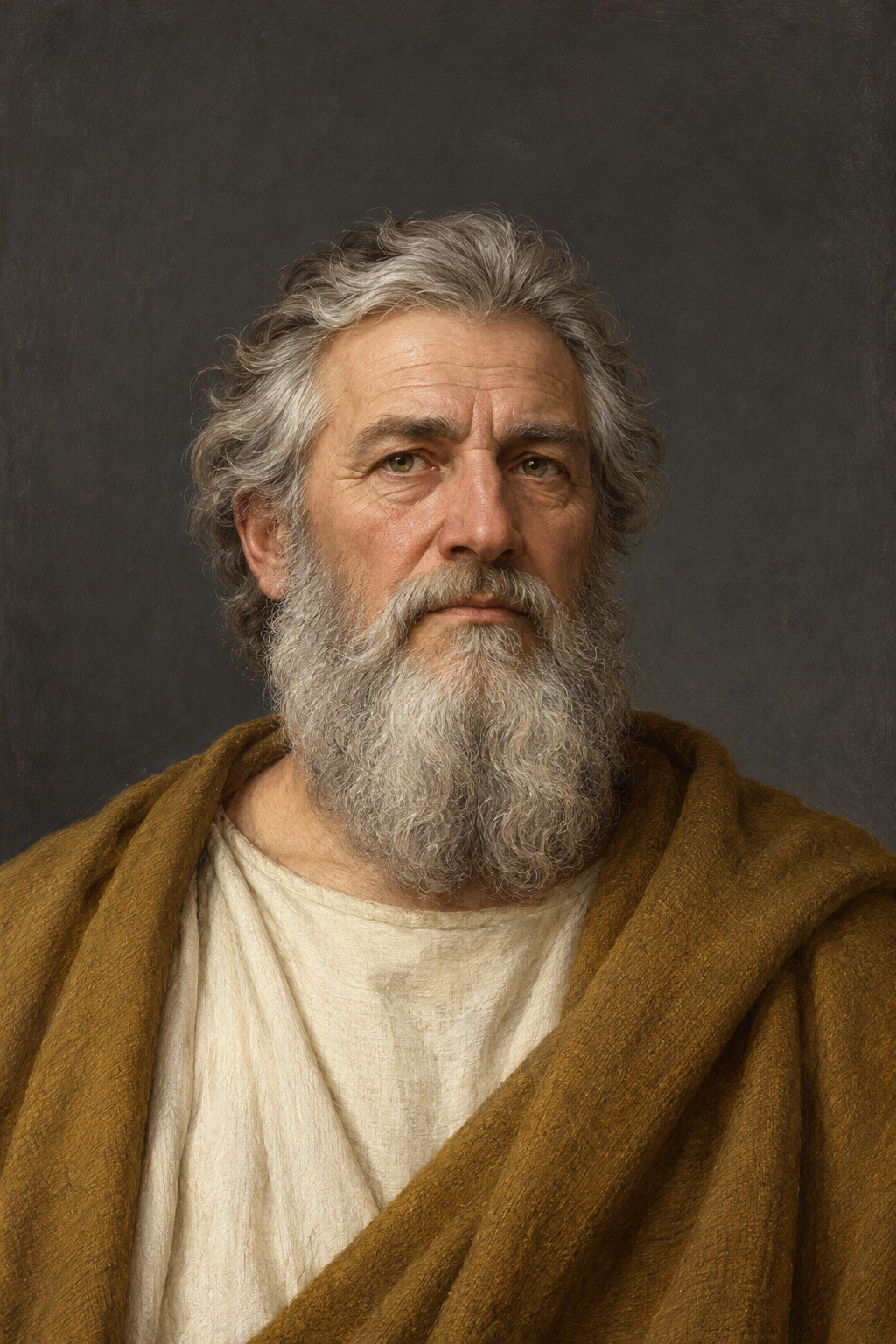
About Perpète of Dinant
Perpète is remembered at Dinant as a bishop of Maastricht, traditionally placed around the end of the sixth century or the beginning of the seventh. His surviving written record is much later. Hériger of Lobbes named him among the bishops around 980, and doubts about that evidence led scholars to exclude him from a critical episcopal list.
A 2023 study by Guillaume Wymmersch and Caroline Polet argues for reconsidering that exclusion through written sources and the study of the attributed remains. Their conclusion supports treating him as a historical bishop, while leaving the traditions about him open to scrutiny. They also place the transfer of his relics to Sainte-Marie at Dinant by 1096 and connect it with the assertion of the bishops of Liège’s authority in the town.
For Dinant, Perpète became both a civic patron and a patron of its collegiate church. In 1671 the goldsmith Philippe Le Noir made the silver bust that housed the relic of his skull. It replaced an older reliquary and expressed the renewed splendor of religious treasures during the Counter-Reformation.
The bust survived the revolutionary upheavals through the intervention of two municipal workers, the Charlot brothers, who hid it in their house. Their descendants were later given the honor of carrying it in processions. That custom lasted until about 1960. The reliquary preserves evidence of a community’s devotion across generations, rather than a contemporary likeness of the bishop.
His local feast is November 4. He is also known as Perpète of Maastricht or Perpétue.
Wondering how to weigh the stories and sources? Learn how to read a saint biography.