Biography
Perpetuus of Tours
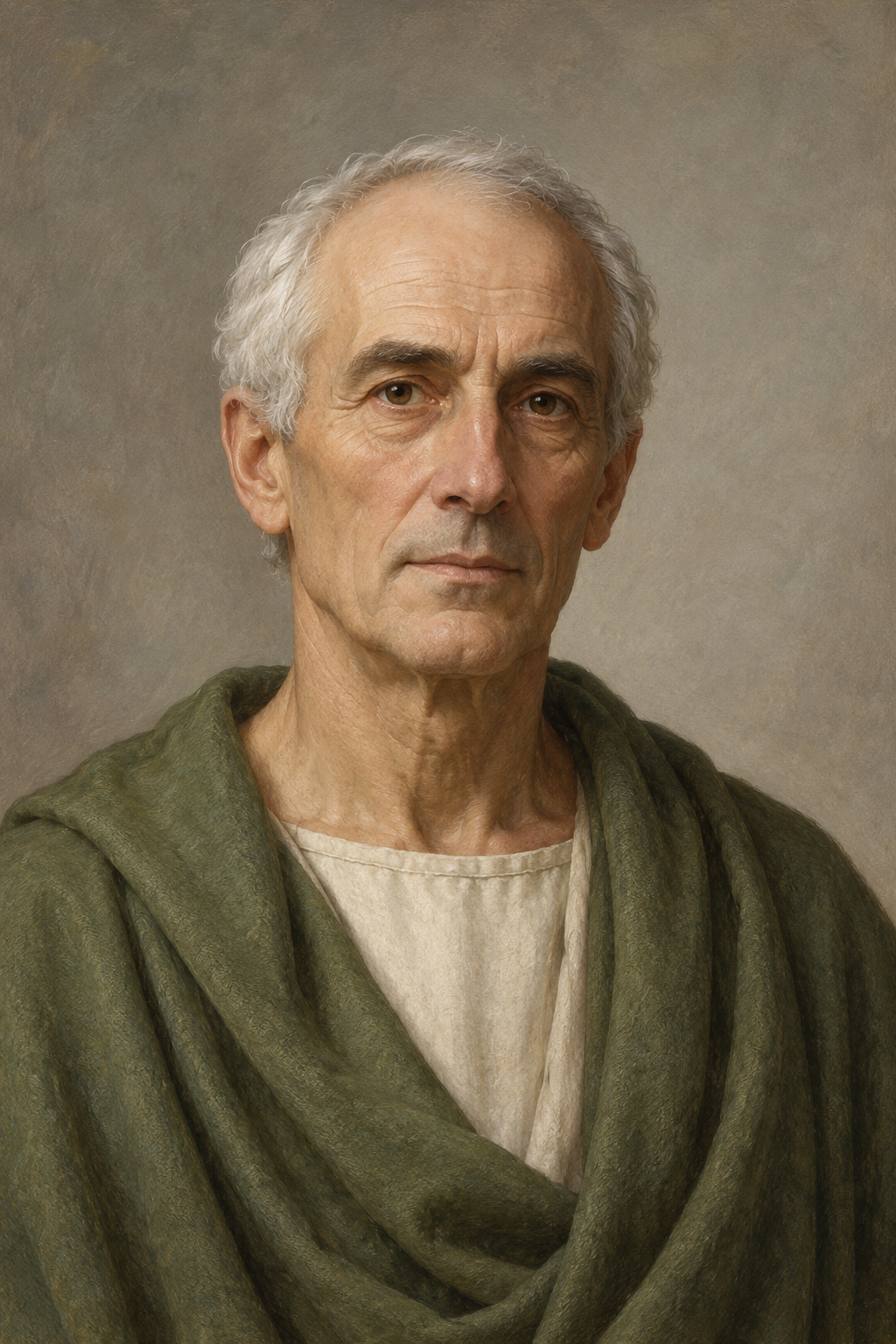
About Perpetuus of Tours
Perpetuus led the church of Tours in the later fifth century. Born into a senatorial family, he served as bishop for about thirty years. His work included regulating fasts and vigils and building churches. His attendance at the councils of Tours and Vannes places him within the wider episcopal life of Gaul.
The surviving subscriptions of the council held at Tours in 461 name Perpetuus first. He declared that he had attended and signed its decisions. Those decisions imposed demanding rules on clergy. Priests and deacons were expected to practice sexual continence; those who continued marital relations could receive communion but were barred from exercising their sacred functions or advancing in office. Clerics who abandoned their ministry for secular work or military service faced excommunication. Travel and changes of residence were also placed under episcopal control.
Perpetuus replaced the modest building sheltering Martin’s tomb with a larger basilica. This became his best-known undertaking, though accounts differ over the precise chronology of his episcopate and death. His correspondence with the poet Paulinus of Périgueux shows how writing accompanied that work. Paulinus sent verses at the bishop’s request for display on sacred walls. He also credited a written collection of Martin’s miracles, signed by Perpetuus, with his grandson’s recovery. This is testimony to the writer’s religious interpretation of the illness and healing, rather than independent confirmation of a miracle.
Perpetuus was buried in Martin’s basilica. A purported will and epitaph later circulated under his name, but scholarship identified them as seventeenth-century forgeries by Jérôme Vignier. They cannot safely supply details of his household or charitable bequests. His commemorations include April 8 and December 30.
At Neuil in Touraine, the church of Saint-Perpet preserves his name as its dedicatee. Its surviving medieval fabric belongs to several later building campaigns, rather than to his lifetime.
Wondering how to weigh the stories and sources? Learn how to read a saint biography.