Biography
Peter Jeong San-pil
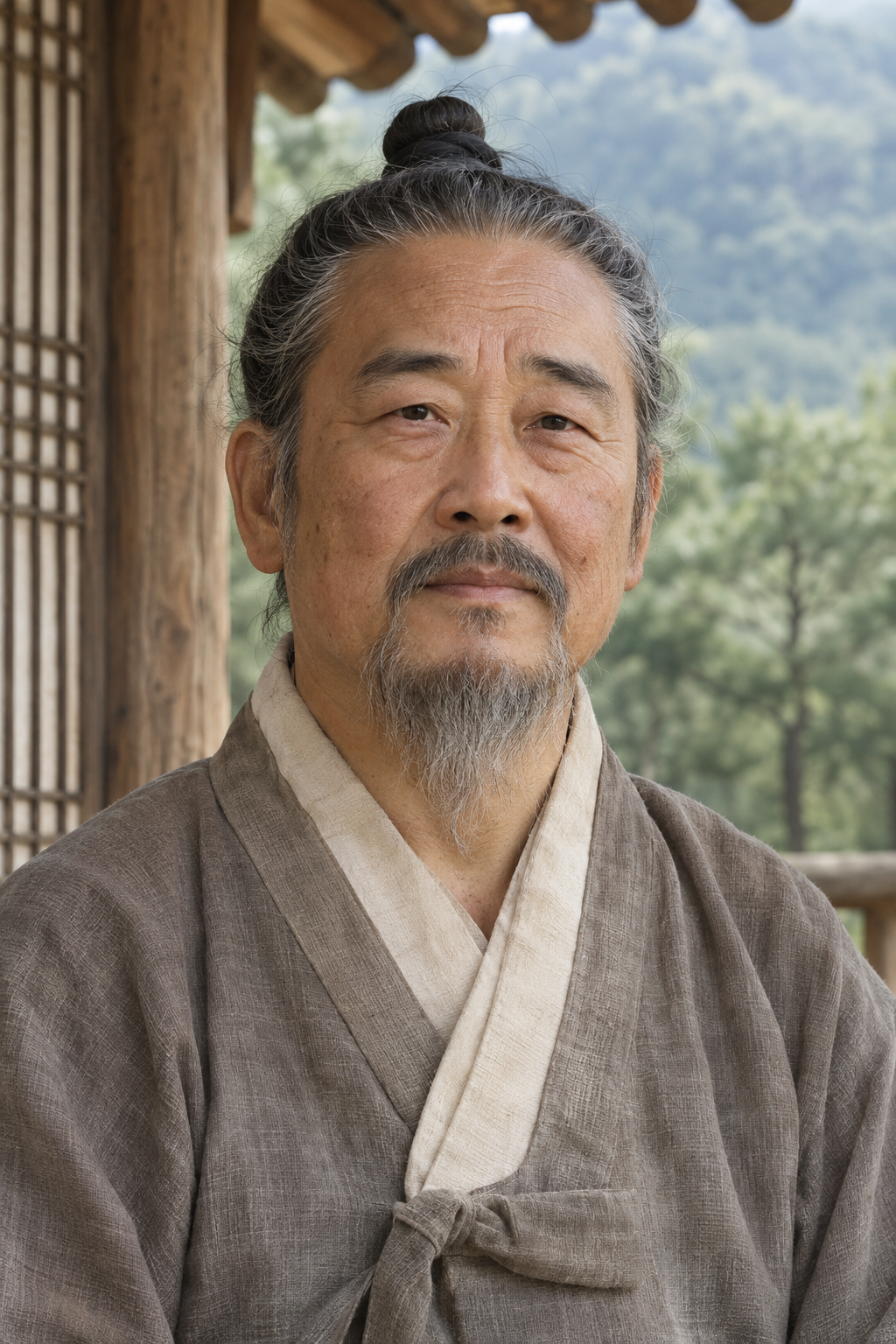
About Peter Jeong San-pil
Peter Jeong San-pil came from a commoner family in Deoksan, Chungcheong-do. The Catholic account remembers him first as a forceful, violent-tempered man whom others feared. After he accepted Christianity, people noticed a change: he became humble, gentle and approachable. The date and immediate circumstances of his conversion are not established. After Father James Zhou Wen-mo entered Korea at the end of 1794, Peter sought him out and received baptism.
The Korean Catholic Encyclopedia describes Peter helping Zhou’s ministry and accommodating the priest in his home for a time. He was then appointed a catechist for the Naepo region. Prayer and religious reading accompanied his work of teaching people who did not yet know Christianity and encouraging those already practising it. His role involved continued instruction and care for a local community.
A record written outside the Church preserves the name of one person he taught. In his diary for the nineteenth day of the fourth lunar month of 1801, the official Noh Sang-chu says that Kim Il-chan first learned Catholicism from Jeong San-pil. The same entry records an officer returning from Deoksan with Jeong Un, identified as Peter’s grandson. It calls Peter a leader of the prohibited religion who had died under beating.
Bang Sang-geun also identifies Jeong Bok-seon and his son, Yu Han-jing, Pak Chun-san and Pak Jung-dol among the people Peter taught at Deoksan.
Peter’s friendships linked him with Lawrence Pak Chwi-deuk, James Won Si-bo and Francis Bang. They visited one another and encouraged the practice of their faith. All became victims of the persecution that began in 1797. Peter’s own arrest cannot be dated more precisely than 1798 or 1799. He was brought to the Deoksan government office and subjected to repeated questioning and punishment.
He continued to explain his faith during the interrogations. In prison he encouraged other Catholic detainees, and the received narrative remembers him signing his death sentence without visible disturbance. His concern for his companions continued when the customary meal for condemned prisoners arrived. He invited them to share the food and give thanks to God before facing death together.
The manner of his death is disputed. Earlier Catholic histories describe beheading, but a 2014 report by Oh Se-taek cites a government record describing death under beating. Father Yun In-gyu, who had participated in the beatification inquiry’s site investigation, considered the latter evidence more persuasive. He identified the former Deoksan prison site, rather than an otherwise unknown execution ground, as the place of martyrdom.
Sahakjingui records Jeong San-pil’s death from beating, preventing further questioning.
An older encyclopedia dates his beheading to January 21. The current Church biography retains both possibilities, beating or beheading, and gives 1799 as the year of his death. It places him between fifty and sixty years old. His birth year remains unknown.
Wondering how to weigh the stories and sources? Learn how to read a saint biography.