Biography
Peter Jo Suk
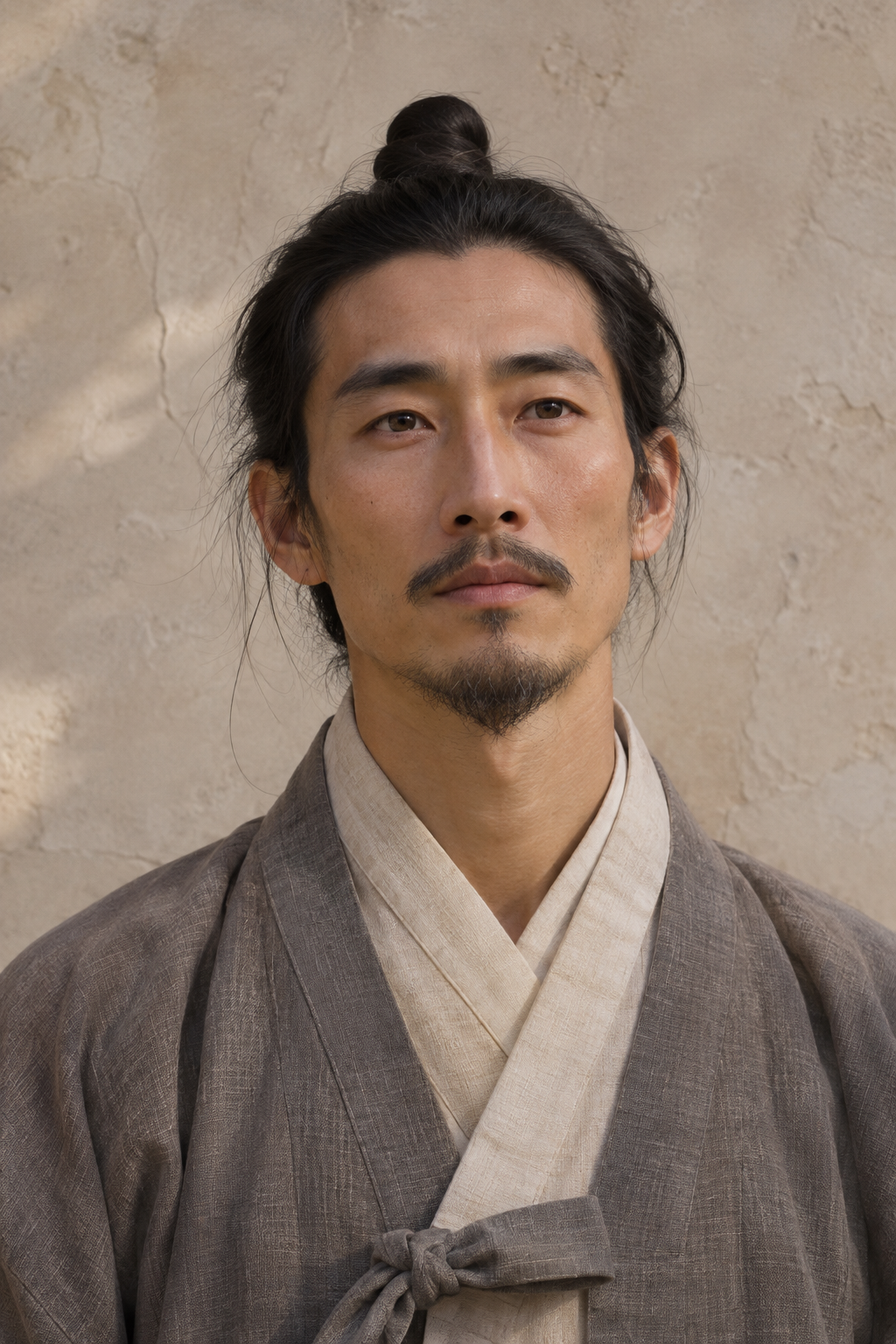
About Peter Jo Suk
Peter Jo Suk grew up in Yanggeun, in Gyeonggi province. His family belonged to the yangban, the Korean social elite, and he was known to his relatives as Myeong-su. He learned about Catholicism as a child. In 1801 the persecution forced him and his parents to seek safety among his mother’s relatives in Gangwon. The Korean bishops’ account places his birth in 1786.
An earlier encyclopedia gives his birth a year later, in 1787. It describes a boy who had little opportunity for religious instruction while he was in hiding. The author sees fear of persecution as one possible reason he grew less active as a Catholic. The change his family remembered came with his marriage to Teresa Kwon Cheon-rye.
When questioned years later, Peter described keeping Catholic books his great-uncle Jo Dong-seom had told him to burn. He named Hwang Sa-yeong as his teacher. Barbara Ko identified Peter and Teresa as the two people from whom she learned.
Teresa handed Peter a letter on their wedding night. She wanted to marry while keeping her vow of celibacy and asked him to make the same commitment. He agreed. The Church’s account does not portray him as someone who never found the decision difficult. It remembers that when he wanted to set their agreement aside, Teresa persuaded him to keep it. It was a promise they sustained together over the course of their marriage.
A study of two early Korean Catholic couples draws attention to the timing of that decision. Lutgarda Yi Sun-i and John Yu Jung-cheol had agreed on a celibate marriage beforehand, with help from their families and a priest. Peter made his decision after the wedding. He and Teresa had to work out what their commitment meant in the years after persecution had taken that kind of support away.
In their Seoul household they prayed and fasted twice a week. Their poverty did not prevent them from giving alms. They taught people who were new to the faith and, when a child was close to death, administered emergency baptism. These were things lay Catholics could do for neighbours who had little opportunity to meet a priest.
People came to their home to learn. One visitor was Paul Yi Gyeong-eon, a painter of religious pictures. For several years the two men exchanged what they knew about Catholic teaching. Yi gave Peter pictures he had painted himself. The household was a place where someone who arrived as a learner could also bring something to share.
Another guest was Paul Jeong Ha-sang. His father and elder brother had died in the persecution of 1801. As a young man he came back to Seoul alone and stayed with Peter and Teresa while working to bring a priest to Korea. In 1816 Paul found a way to travel to Beijing as the servant of an interpreter attached to the winter embassy. He asked for a missionary there, although the visit did not immediately bring one back.
Peter and Teresa did the work that made those journeys possible from the Korean side. They prepared for Paul’s trips and gave him somewhere to live between them. According to the Catholic Encyclopedia’s account of Paul, the authorities seized his hosts shortly before news of his return reached Seoul. Paul himself arrived a day later than expected and escaped arrest. His hosts never returned to the home they had shared with him.
In 1817 Peter was waiting for Paul to come back from Beijing when officers arrested him. According to Lee Ju-yeon’s account, the interrogators wanted him to disown the faith and identify other Catholics. His imprisonment did not end his contact with believers outside: he sent letters, and the people who read them took courage from them.
Peter’s arrest also reached a relative far from Seoul. In 1819 officials questioned his great-uncle Jo Dong-seom, who was already living in exile, because the two were related. He acknowledged that he still practiced Catholicism. The authorities tried to prevent others from visiting him, but his pupils continued to come.
The Justice Ministry asked the king to authorize the beheading of all three. Its petition invoked a provision of the Great Ming Code against circulating writings or words alleged to mislead people. It also requested execution without waiting for the usual season. The royal response ordered officials to proceed under the law. This document records permission to carry out the sentences; it does not record the day the prisoners died.
The bishops’ history of the Yanggeun shrine places the executions outside Seoul’s Small West Gate. Yanggeun remembers Peter as a native of the region who died in the capital, distinguishing him from the Catholics put to death near the river at Yanggeun itself.
The bishops place the beheadings after August 10, 1819. They report that a month passed before fellow Catholics could recover the bodies.
In 2021 the bishop of Suwon blessed a memorial at Neungmal, the settlement associated with several generations of the Jo family. Peter is remembered there alongside relatives and neighbours whose lives took different courses.
Wondering how to weigh the stories and sources? Learn how to read a saint biography.