Biography
Peter Jo Yong-sam
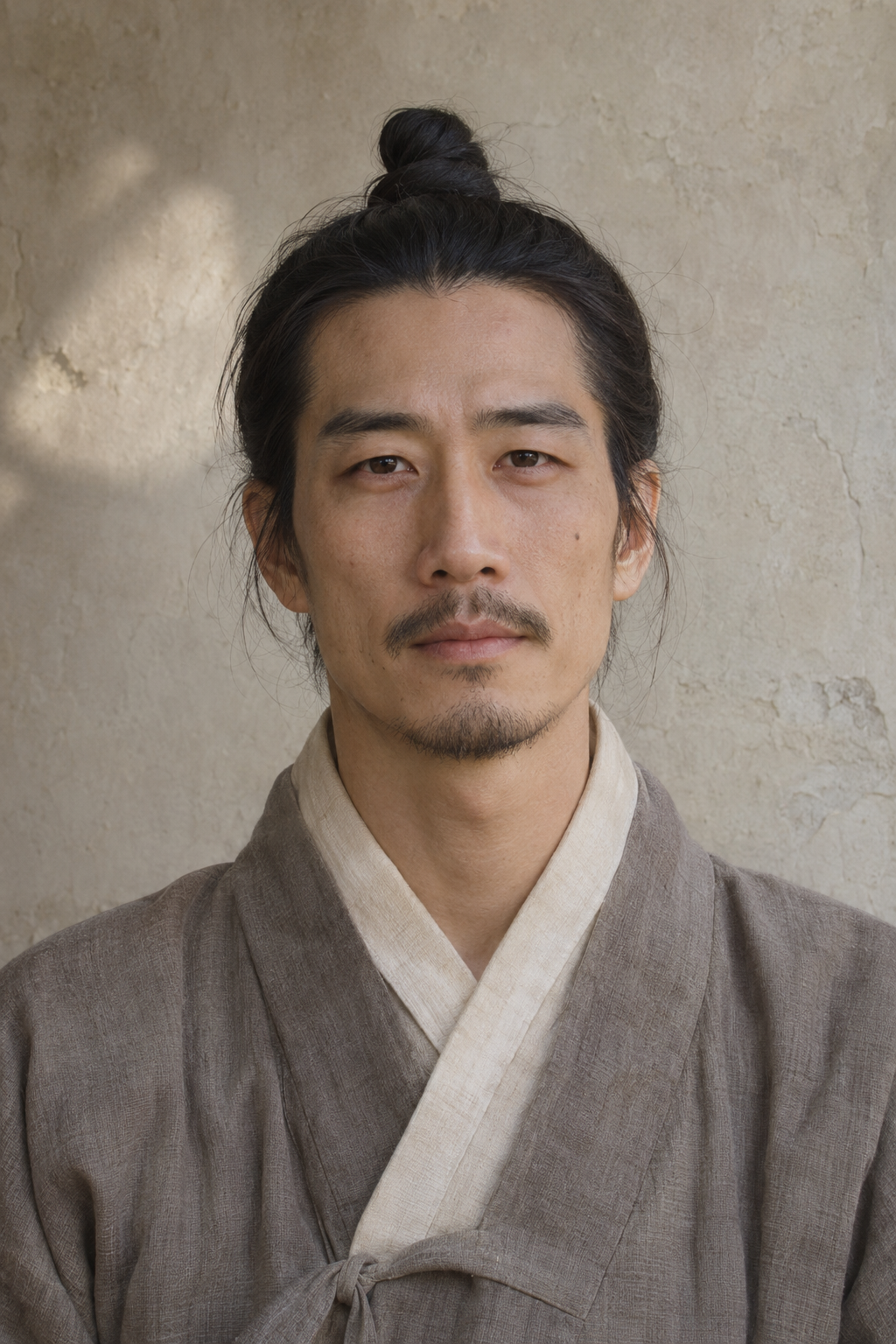
About Peter Jo Yong-sam
Peter Jo Yong-sam grew up in a poor family in Yanggeun, in the Korean province of Gyeonggi. His mother died while he was young. His father, Jo Je-dong, eventually could no longer support the household there and took his two sons, Yong-sam and Ho-sam, to Yeoju. They stayed in the home of Im Hui-yeong. The encyclopedia describes Yong-sam as physically weak and frequently mocked by others; it also connects the family’s poverty with his remaining unmarried.
At Yeoju he began learning Catholic teaching from Augustine Jeong Yak-jong. Jeong treated him differently from the people who ridiculed him: he praised his religious commitment and encouraged his study. Yong-sam was still preparing for baptism when he and his father joined an Easter gathering at Jeong Jong-ho’s house on April 15, 1800. Officers arrested them with Martin Yi Jung-bae, John Won Gyeong-do and other believers.
Historian Cha Gi-jin describes a prisoner who initially resisted the demand to renounce his religion despite severe punishment. The magistrate then turned to the bond between father and son. He threatened to kill Je-dong unless Yong-sam submitted and had the father beaten before him. Yong-sam gave way, asking that both their lives be spared. He was released.
On his way out, he encountered Martin Yi Jung-bae, who urged him to repent. Yeo Jin-cheon’s account describes Yong-sam spending the night in tears before returning to the magistrate. He withdrew his renunciation and again declared himself a believer. This brought renewed imprisonment and harsher punishment. Yeo attributes the magistrate’s anger partly to having underestimated the frail prisoner.
Contemporary Hwang Sa-yeong records his return to court.
From Yeoju he was transferred to the Gyeonggi governor’s prison. He remained confined for eleven months in all. During this imprisonment he received baptism, taking the name Peter. In the second lunar month of 1801, he again faced questioning and punishment intended to force a renunciation. He died in prison after these final injuries. The current official biography gives March 27, 1801, as his death date and locates the governor’s establishment in Seoul.
Historian Won Jae-yeon interprets Peter’s story through two particular relationships. Augustine Jeong was the teacher who respected his commitment when others dismissed him. Martin Yi was the fellow prisoner whose intervention helped him return after the renunciation. Won sees both men as spiritual teachers, and reads Peter’s struggle over his father as an attempt to reconcile filial responsibility with allegiance to God. This is a historical and pastoral interpretation of the received narrative, rather than an account written by Peter explaining his own motives. It keeps attention on the people who encouraged him, alongside the coercion used against him.
His name also survived through more than one form of remembrance. Cha notes that Hwang’s contemporary letter called him Jo Peter, transcribing the baptismal name rather than giving the full personal name in Chinese characters. The Korean Christians’ letter of 1811 subsequently supplied the name Yong-sam. That later letter also included him among the people remembered as martyrs.
The place of his final imprisonment remains part of Seoul’s Catholic pilgrimage landscape. In a 2018 account of the city’s pilgrimage route, Ri Gil-jae identifies the former Gyeonggi governor’s establishment by the Seoul Red Cross Hospital entrance on Saemunan-ro. The report names Peter as the believer who died in its prison.
Wondering how to weigh the stories and sources? Learn how to read a saint biography.