Biography
Peter of Galatia
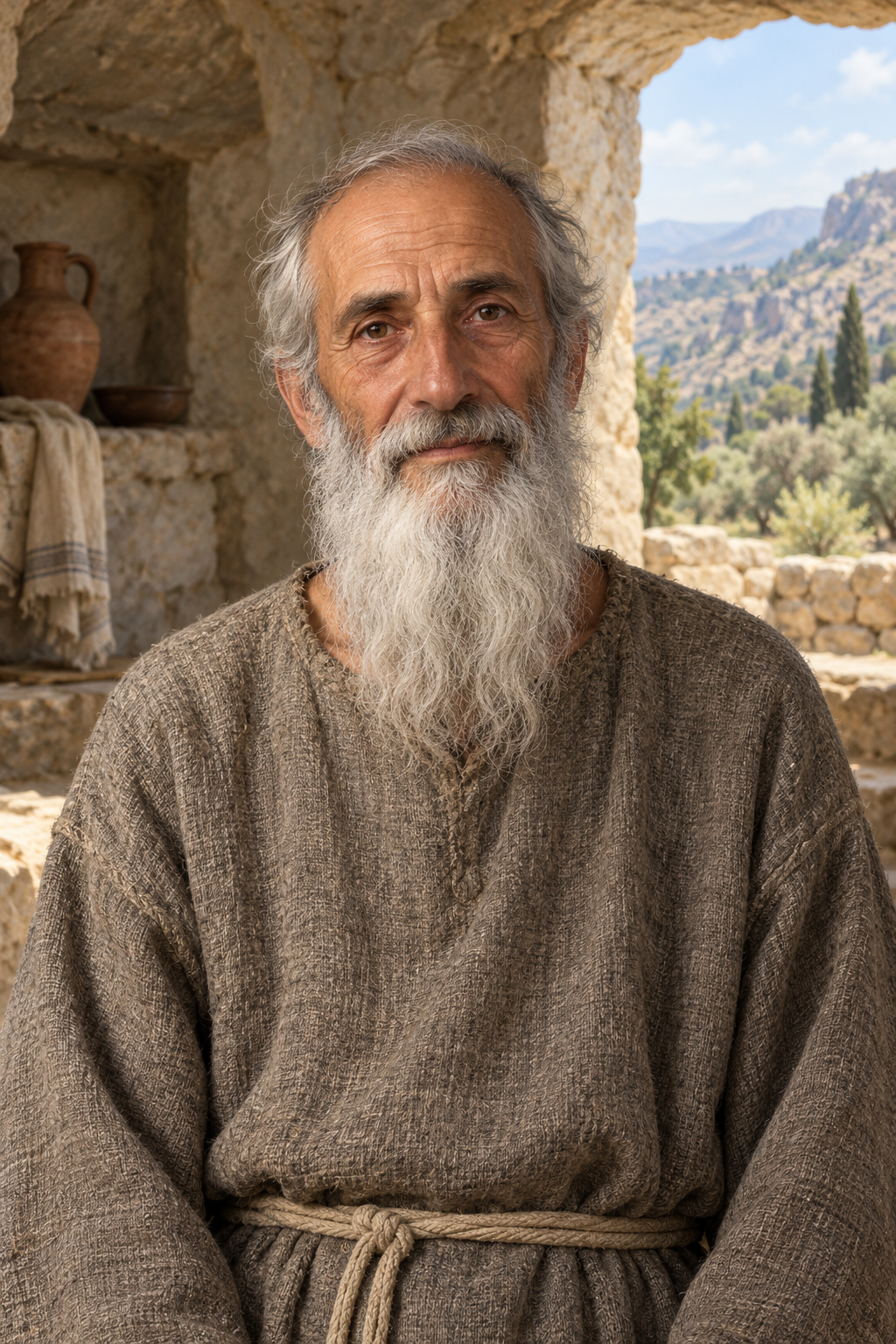
About Peter of Galatia
Peter of Galatia was a Christian hermit who lived near Antioch in the fourth and early fifth centuries. His life is known through Theodoret of Cyrrhus, who devoted a chapter of his Religious History to him. Theodoret’s family had a long relationship with Peter, making the account unusually personal.
Theodoret describes Peter’s journey from Galatia to Palestine and then to Antioch. There he lived in a tomb with an upper room reached by a ladder. His habits were austere, but he received visitors. The historian recalls visiting as a child, sitting on Peter’s knees and being given bread and grapes. His mother sent him regularly for the hermit’s blessing.
Peter’s setting helps explain how a secluded hermit could remain connected to a busy city. Historian Columba Stewart places him among the earliest known monks on the mountain above Antioch, living in a tomb from around the middle of the fourth century. The slopes rose close to residential districts, so withdrawal into a cave or tomb did not necessarily mean a long journey away from other people. Stewart emphasizes that the mountain ascetics remained part of Antioch’s religious and social life. The visits of Theodoret and his mother are one example of those connections.
The same chapter preserves stories of healing and deliverance from demons. Theodoret attributes his mother’s recovery from an eye illness to Peter’s prayer and describes the advice he gave her about wealth and adornment. The account presents these events as signs of holiness and makes Peter’s counsel part of the healing story.
Peter’s companion Daniel also appears in the account. Theodoret says that Daniel remained with the hermit after receiving healing and offered his services in gratitude. He remembers knowing both men. Such recollections place Peter within a small network of visitors and helpers despite his secluded dwelling.
In her study of the chapter, Dominika Budzanowska-Weglenda emphasizes this combination of strict ascetic practice and attention to people seeking help. She reads Theodoret’s narrative as a literary portrait of holiness, rooted in the distinctive monastic culture of Syria. Peter’s withdrawal from ordinary comforts did not mean complete separation from the lives of those around him.
His precise life dates are uncertain. The scholarly study places his death around 403–405, whereas the Orthodox Church in America’s account gives 429. Theodoret reports an exceptionally long life, but these traditions do not supply a secure birth date.
The Orthodox Church in America commemorates Peter on February 1 and notes a November 25 observance in Greek usage. It distinguishes him from another Peter of Galatia who lived in the ninth century. The hermit remembered by Theodoret belongs to the earlier Christian community around Antioch.
Wondering how to weigh the stories and sources? Learn how to read a saint biography.