Biography
Peter of Nicaea
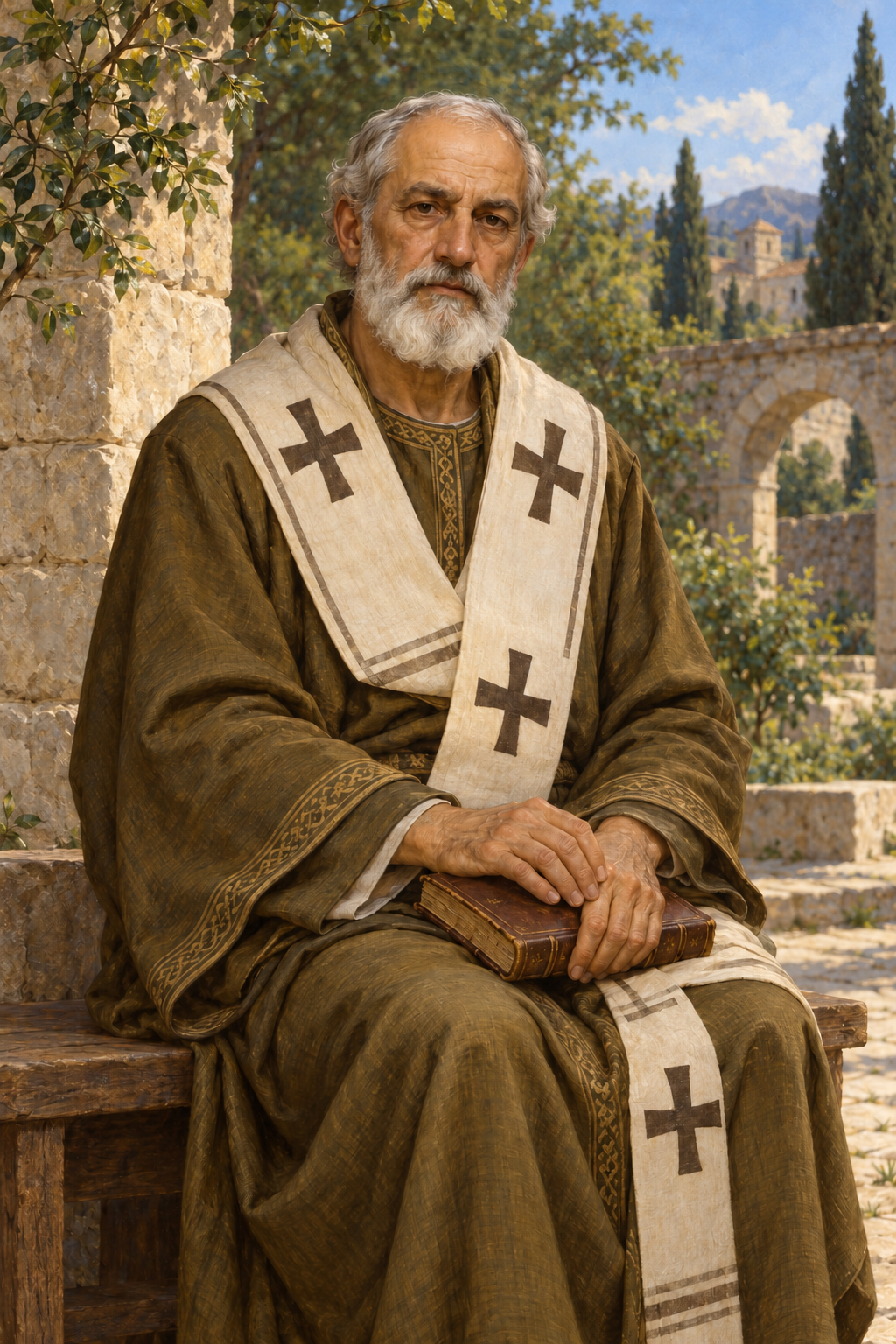
About Peter of Nicaea
Peter of Nicaea was a Byzantine metropolitan whose opposition to iconoclasm brought exile and a difficult test of loyalty. His early life is poorly known. The scholarly prosopography identifies him, probably, with the unnamed metropolitan who opposed a campaign against the Bulgarians in 812. On that question he supported Patriarch Nicephorus and disagreed with Theodore the Studite, who favored war.
When Emperor Leo V renewed the prohibition of icon veneration in 815, Peter was among the bishops sent into exile. Brought back to Constantinople at Easter the following year, he temporarily compromised under the influence of John the Grammarian. He subsequently returned to the iconophile position. This interruption matters: the surviving account does not describe an entirely unbroken resistance.
Jules Pargoire’s study of Theodore’s correspondence follows the rupture and its repair. Theodore reacted strongly to Peter’s concession and made his disapproval known. Later letters welcomed Peter’s return, praised his endurance, and addressed the treatment of others who had yielded and repented. Their relationship survived a conflict that had once separated them.
The Prosopography of the Byzantine Empire identifies six surviving letters addressed to Peter and six more in which Theodore mentions him. These references extend across the years 815 to 826. They preserve an unusually personal record of a bishop living through a dispute that cost him his see, although they tell little about his childhood or education. The same study records his later inclusion among the metropolitans honored for supporting icons in the Synodikon of Orthodoxy.
A seal offers another possible trace of Peter’s office. The prosopographical study describes a ninth-century seal bearing the name and title of Peter, metropolitan of Nicaea, with an image of the Virgin and Child. Its identification with this bishop is probable rather than certain: the inscription records the office and name, but does not itself narrate his imprisonment or the events of his life.
The Orthodox Encyclopedia records Peter’s release after Michael II became emperor. It also places him among the bishops and abbots who visited Ioannikios on the Bithynian Olympus in 823–824. The surviving Life describes a discussion of the highest virtue; a modern interpretation connects the meeting with plans for resisting iconoclasm. These are different readings of the gathering, not two independently established agendas.
Near the end of Peter’s life, Theodore sent him news of the death of Michael of Synnada. Pargoire uses this letter, followed by Theodore’s instruction mentioning Peter’s own death, to place Peter’s death between May and September 826. The instruction was delivered around the feast of the Exaltation of the Cross. Combined with the calendar evidence, it points to September, although the precise day remains uncertain.
Peter spent his final months at the Keramean monastery in Bithynia, where he gave spiritual guidance to the community. The Orthodox Encyclopedia also explains an unusual feature of his later commemoration: a scribal error gave his name as Paul in some manuscripts. As different calendar traditions circulated, Peter and Paul came to be treated as separate bishops. This study therefore cautions against counting the two names as two securely documented people.
The Orthodox Church in America commemorates Peter on September 10, alongside Paul. Its brief account remembers Peter’s suffering for the defense of icons and notes that no biography of Paul has survived. The shared calendar entry preserves the received liturgical tradition, even where the historical identification requires closer examination.
Wondering how to weigh the stories and sources? Learn how to read a saint biography.