Biography
Peter Sin Tae-bo
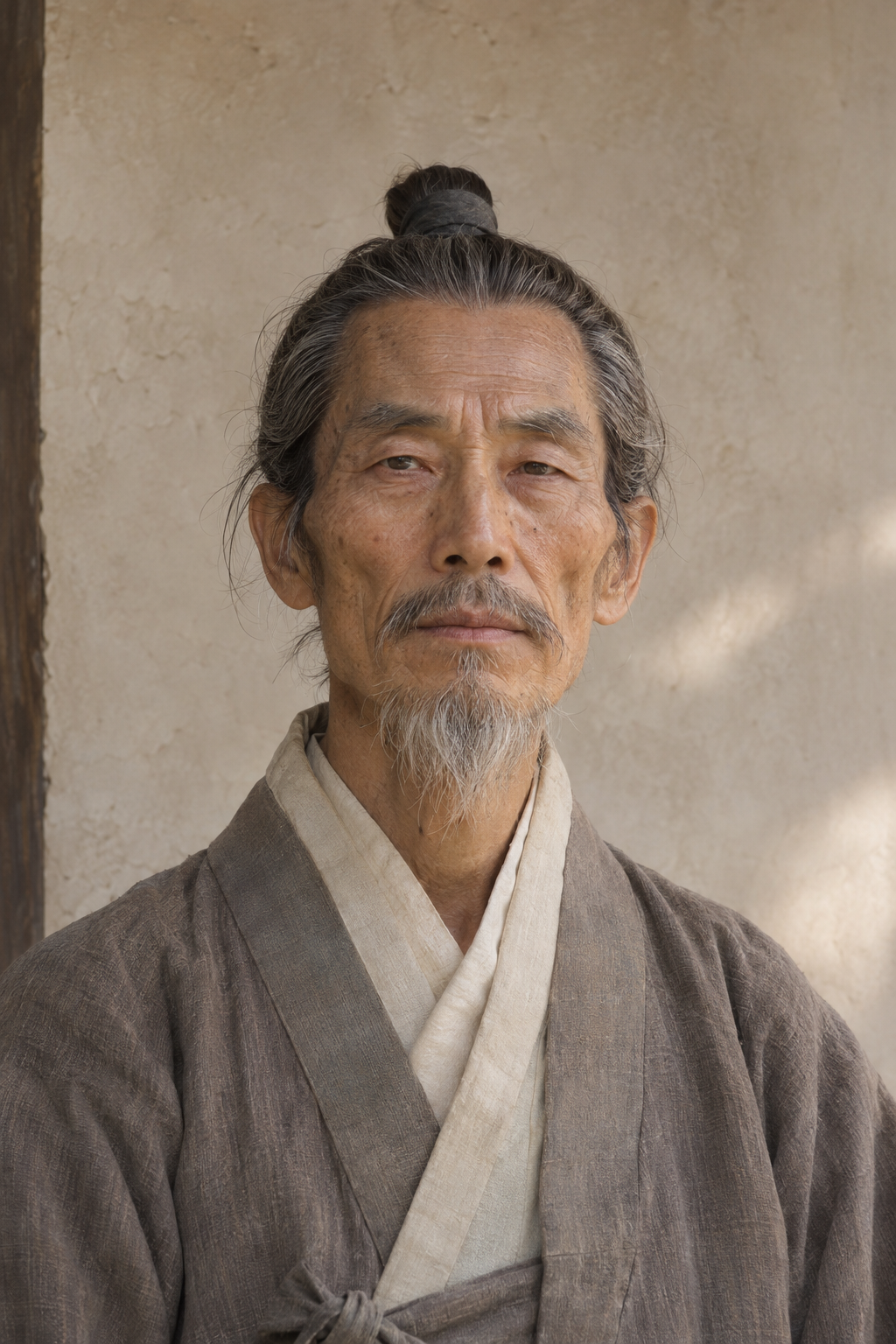
About Peter Sin Tae-bo
Peter Sin Tae-bo sought out other Catholics when persecution left their households isolated. Born near Yongin, he became a believer with his relative John Yi Yeo-jin around 1795. They hoped to meet the Chinese priest James Zhou Wen-mo and receive the sacraments, but the secrecy surrounding Zhou’s ministry defeated their efforts. Zhou’s death in 1801 left Sin facing the problem of sustaining religious life without him. He began looking for surviving families who might share books, prayer and the memory of the priest’s teaching.
The historian Lee Seok-won treats these journeys as evidence of the connections that sustained early Yongin Catholics, while acknowledging that the families’ earlier origins are uncertain. Lee also cites Daveluy’s account placing Sin’s family at Dongsanmit in Icheon and his conversion in 1791. Those details differ from the current official biography. The precise early chronology remains unresolved, although the later accounts agree on his work among displaced believers.
Five families, numbering more than forty people, undertook the move. Sin arranged horses and borrowed transport for those unable to walk. After eight difficult days, they reached the mountains and began securing food and shelter.
Winter exposed how fragile the new community was. The farming season had passed before adequate crops were established, snow blocked the roads, and hunger brought despair. Sin’s account remembers children demanding food and adults questioning the decision to move. He obtained rice on credit through a wealthy acquaintance, arranged for milling and transport, and sold part of the grain to meet expenses. Food made it possible to encourage the families again, but borrowing left continuing obligations. Kim Yun-seon’s study emphasizes that these were households largely composed of women, older people and children, including martyrs’ surviving relatives. Their search for religious freedom required practical arrangements for survival. The memoir does not establish the settlement’s precise location. Its association with Pungsuwon or the surrounding area remains a scholarly identification rather than a destination named clearly by Sin himself.
Sin also helped efforts to obtain missionaries. The 1811 appeal to church authorities abroad involved his relative Yi Yeo-jin, while Sin helped meet the expenses. He copied religious books for other believers and eventually settled at Jatgol in Sangju. In 1827 he heard that persecution had begun in Jeolla-do and prepared to leave with his family. Officers arrived before those preparations could be carried out. Earlier prisoners had identified both his residence and his part in distributing books, and he was taken to Jeonju.
Questioning brought fear as well as resistance. Sin recalled answering a list of names with negative gestures when he could hardly speak. Afterwards he realized that one name had referred to Jesus and became deeply distressed, fearing that his exhausted response amounted to denial. The memory remained painful when he wrote about it. His account preserves that troubled conscience alongside his refusal to expose other believers.
Prison also made him dependent on other people. Injuries left him unable to sit or eat normally, and the condition of his wounds discouraged others from approaching. Fellow Catholic prisoners helped him move and sometimes cleaned his cell. He remembered their care with gratitude. During twelve years of confinement his courage sometimes failed, but he continued to practise his faith. At Jacques Chastan’s request, he wrote an account of what he had experienced.
The request to write reached Sin through other Catholics rather than by a meeting with the priest inside the prison. A study presented by Hyeon Jae-u traces the commission to Jacques Chastan’s report about the five Jeonju prisoners. Chastan brought their situation to Bishop Laurent Imbert in 1838, and the bishop asked that Sin record his experiences for the history of the Korean Church.
His family continued to share the cost of that imprisonment. His daughter-in-law Barbara Choe had been widowed and had supported him before his arrest. According to historian Won Jae-yeon, she then relied on help from fellow Catholics while continuing the difficult work of caring for him during his twelve years in prison. Her support belongs alongside the assistance he remembered from fellow prisoners.
He was beheaded at Jeonju on 29 May 1839, after the government ordered the execution of prisoners held there. Barbara was herself arrested after his death and later executed in Jeonju.
Sin’s writing was not confined to the account of his own arrest and punishment. The Korean Catholic Encyclopedia records that he also wrote prison letters and a biography of Thomas Choe Pil-gong, who had died in 1801. He was therefore preserving another believer’s life while recording his own experiences. The distinction matters: his personal recollections, correspondence, and account of a fellow Catholic served different purposes. The memoir ranged over the beginnings of his religious life and the years before his final imprisonment. Its surviving French transmission preserves material collected later; an original Korean manuscript is not known to survive.
Wondering how to weigh the stories and sources? Learn how to read a saint biography.