Biography
Peter Won Si-jang
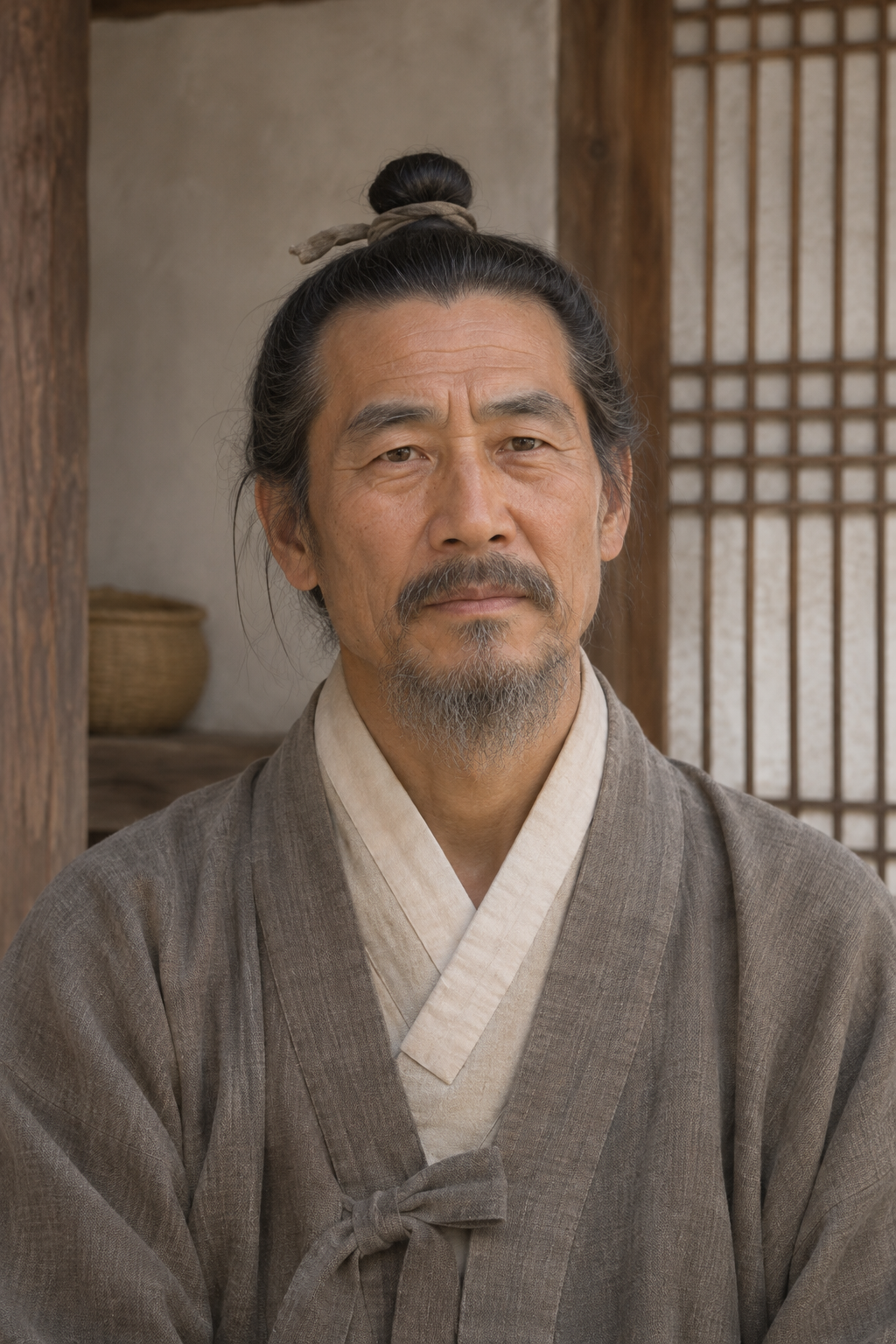
About Peter Won Si-jang
Peter Won Si-jang was born in 1732 into a wealthy commoner family in Eungjeong-ri, in the Hongju district of Chungcheong-do. He heard Catholic teaching around 1788–1789 with his cousin James Won Si-bo. Peter was already over fifty when he began learning about the religion. He initially kept his conversion private.
He left his household for more than a year, devoting himself to prayer and study. During that absence, his relatives received no news of him. When he returned, relatives and friends questioned him; the following day he gathered them to explain the religion. He taught creation, original sin, Christ’s incarnation, commandments, heaven and hell. He was still preparing for baptism, but he was already becoming an instructor. The encyclopedia credits his efforts with bringing more than thirty households into the Church. His family’s Catholic identity became widely known, bringing the new religion into the social circle around his home.
Si-jang was the name by which he was officially known. Those who knew him had called him a tiger because of his fierce disposition. The later Catholic portrait of his conversion includes a change in conduct: he became gentler in dealing with people and gave his property to those in need. His teaching was accompanied by practical generosity. The report remembers the relief his gifts brought to poor neighbours alongside the religious instruction through which he introduced others to Catholicism. He continued his religious exercises even when people outside the Church were present.
During the persecution associated with the Jinsan affair, officers came looking for James Won Si-bo. James had followed friends’ advice and gone into hiding. Peter remained within their reach and was taken to the authorities instead. The two cousins had learned about Catholicism together, but their imprisonment did not begin together. Peter now faced questioning at Hongju while James remained free.
Kim Gil-su’s account describes several days of detention before Peter was brought before the magistrate. He would not supply the names of fellow believers or disclose where religious books were kept. The magistrate ordered seventy blows and further torture. The corporal punishment combined blows with painful twisting of his legs. A new hearing followed the next day, bringing renewed punishment rather than a change in his answers. On returning to the prison, Peter continued speaking about Christianity to jailers and officers.
The magistrate repeatedly demanded that Peter renounce Catholicism. Peter defended the teaching instead. A Christian visitor eventually came to the prison and baptized him there, giving him the name Peter. The person who administered the baptism is not identified in the official life.
The Hongju magistrate reported his case to the provincial governor and received an order that Peter be beaten to death. Officials nevertheless continued demanding a renunciation. The local historical account places that order within a sequence of renewed questioning and punishment, before describing the different means finally used to kill him. Peter’s death followed an interrogation conducted at Hongju, rather than a journey to imprisonment and trial in the capital.
Bang Sang-geun’s study of arrest and execution identifies Peter’s case with Hongju’s overlapping local-government and military institutions. It distinguishes such deaths under local punishment from the ordinary capital procedure requiring reports and royal authorization. His narrative records the provincial governor’s order, without documenting a royal sentence or ordinary capital proceedings.
At the third hearing, a large number of guards were assembled. Punishment continued throughout the day. Peter eventually could no longer walk back to the prison or use his limbs to eat and drink; other people had to carry and feed him. Food was later brought as a last meal for a condemned prisoner. Further beating followed, but he was still alive when the men carrying out the punishment stopped.
Officials appealed to his attachment to his children waiting for him. Peter acknowledged being moved by that appeal but would not abandon his faith. When his endurance was taken as evidence that he felt no pain, he answered that he did suffer, while attributing his strength to God.
He was bound with rope, drenched with water and left exposed to the winter night. The water froze around his body. The Catholic narrative remembers him turning his thoughts to the suffering of Jesus and praying in thanksgiving during the ordeal. It places his death at Hongju on January 28, 1793.
The date of his arrest remained uncertain to Daveluy, who recorded conflicting recollections from a grandson and an elderly relative without resolving their disagreement.
His death affected the cousin who had escaped the officers searching for him. Cha Gi-jin describes James Won Si-bo taking encouragement from Peter’s martyrdom and continuing his own religious practice. James later met Father Zhou Wen-mo and eventually suffered martyrdom himself. Their shared beginning in Catholic instruction thus led to distinct lives of religious commitment and separate confrontations with the authorities.
Wondering how to weigh the stories and sources? Learn how to read a saint biography.