Biography
Petronius of Bologna
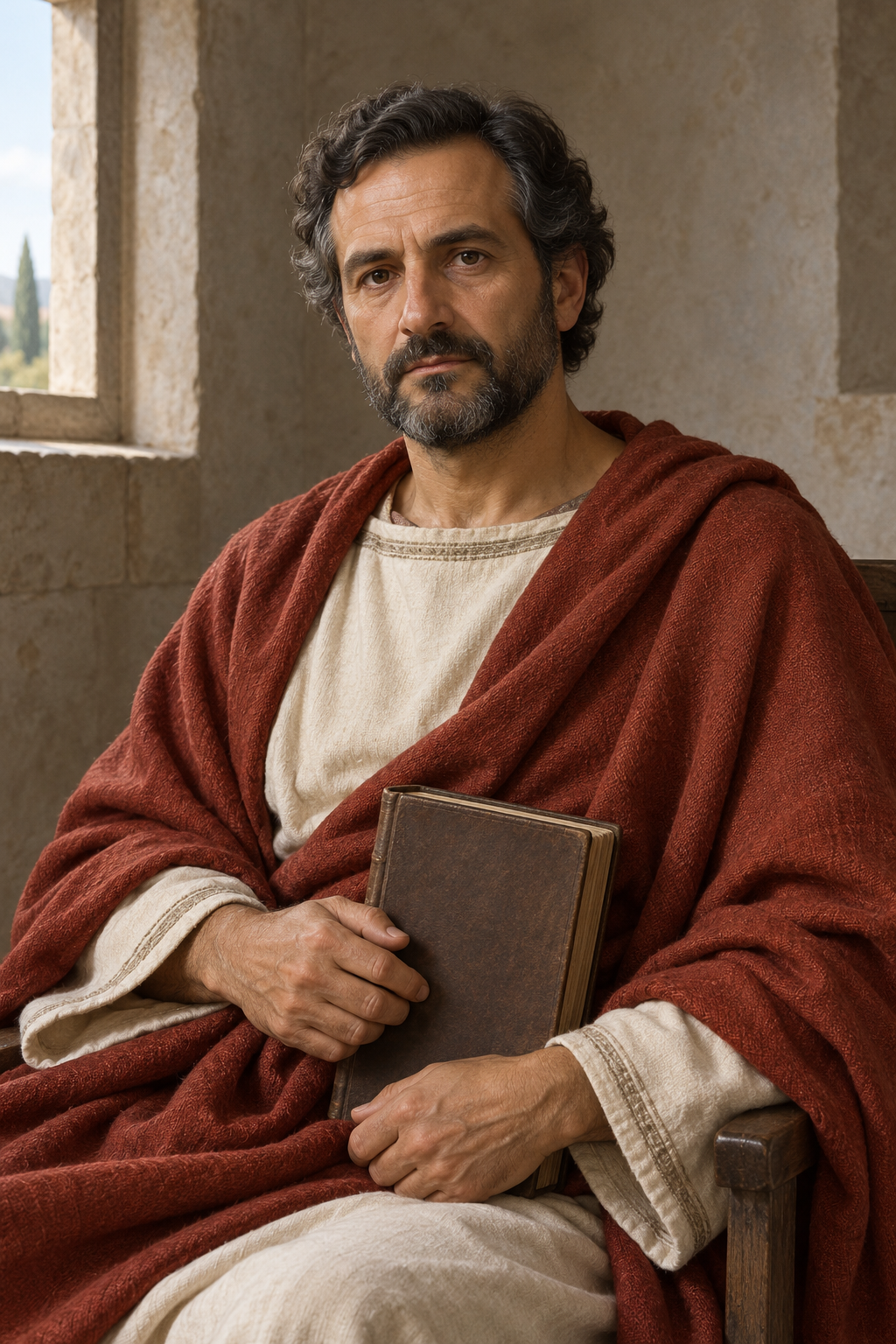
About Petronius of Bologna
Petronius was bishop of Bologna in the fifth century. Little is securely known about his origins or family, despite the detailed stories later told about him.
His contemporary Eucherius of Lyons presented him as an example of someone who had exchanged worldly power and honors for service in the Church.
Later in the fifth century, Gennadius of Marseille described the bishop as a holy man who had pursued monastic studies from his youth. Gennadius also discussed books circulating under his name, but his account was cautious: he only reported a belief that Petronius had written about Egyptian monks, and he thought a work on episcopal ordination might instead belong to the bishop’s father. The passage is evidence of Petronius’s reputation, rather than a secure list of his writings.
Modern scholarship likewise treats his literary identity with caution. Two surviving sermons attributed to a Bishop Petronius have been associated with Bologna, but their transmission also links the name to Verona. His birthplace and family connections remain unproved. He died around 450.
The Church of Bologna associates him, probably, with the foundations of Santo Stefano and the church now known as San Giovanni in Monte. Santo Stefano became his burial place.
The much fuller account of Petronius as a civic founder belongs to later centuries. A medieval Life supplied episodes absent from the early witnesses, including claims about imperial favors and the city’s restoration. These traditions helped shape his public image, but cannot be read as a contemporary record of his episcopate.
His relationship with Bologna nevertheless became a lasting part of its civic and religious life. In 1253 the commune provided special honors at his tomb for his feast. In 1388 it decided to build the great basilica bearing his name. Today the archdiocese identifies him as patron of both the city and the archdiocese, celebrated on October 4.
His head was brought to the basilica in 1743. The other relics remained at Santo Stefano until their reunion in the basilica on October 3, 2000.
Wondering how to weigh the stories and sources? Learn how to read a saint biography.