Biography
Philetus
About Philetus
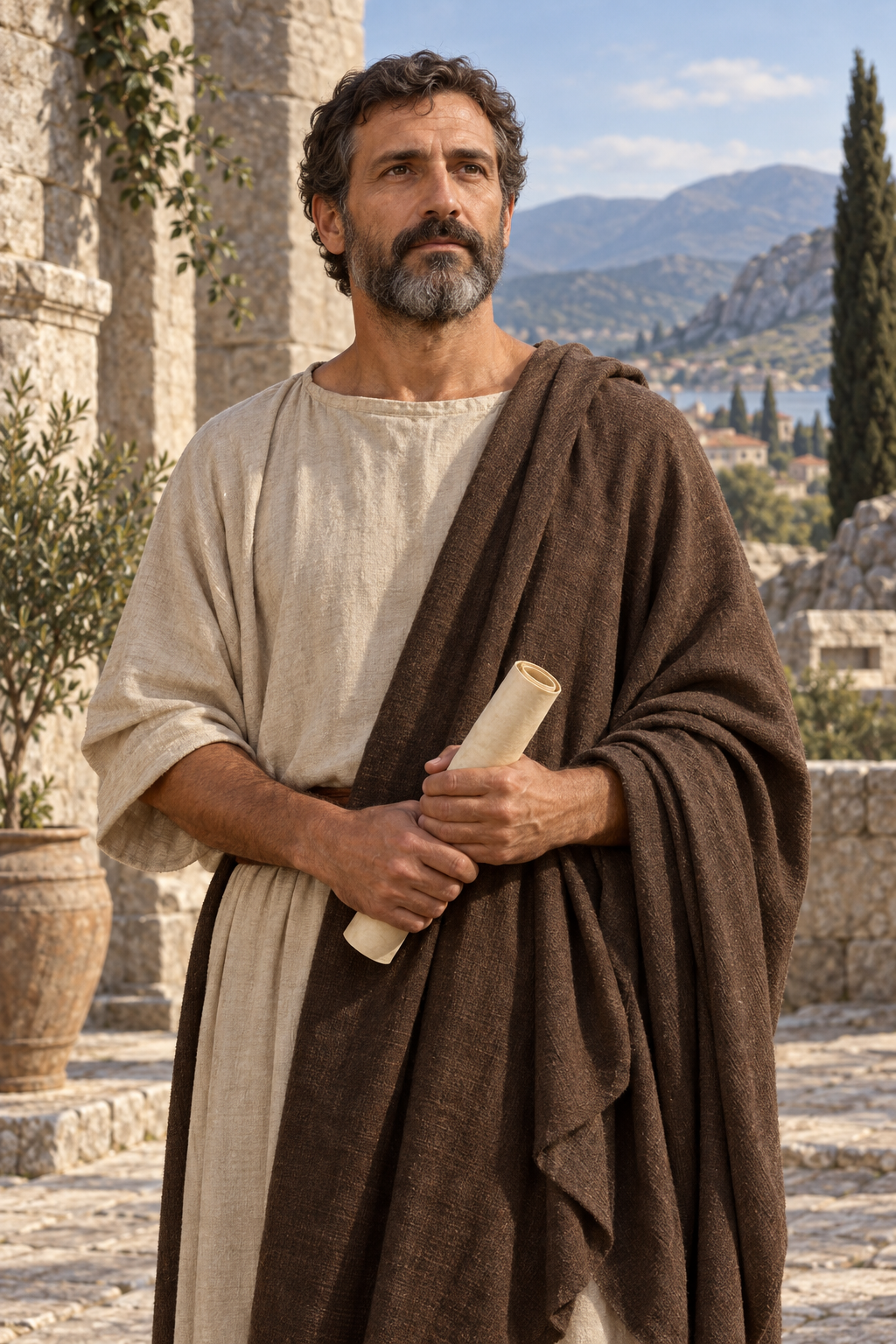
Philetus appears in church calendars as part of a group of martyrs, not as the subject of a surviving contemporary biography. The older Roman martyrology calls him a senator and names Lydia as his wife, Macedon and Theoprepides as their sons, and Amphilochius and Chronidas as companions. The Orthodox Church in America preserves similar names under March 23. These later witnesses establish that communities remembered a named group. They do not, by themselves, prove the exact offices, family relationships, or sequence of deaths that the calendars relay. This account therefore uses the names to explain the received cult while marking the family and court setting as tradition. No birth date, birthplace, or precise individual death record is supplied by the reviewed sources.The traditional passion sets the group in Illyria under Emperor Hadrian. The OCA life says Philetus confessed Christianity with his family, faced a governor named Amphilochius, and endured torture. It continues with oil that repeatedly failed to burn the group, an official's conversion, and a final death after prayer. These elements explain how the saints came to be depicted in devotional storytelling, but the reviewed account is not a court record or eyewitness report. The Hadrianic setting gives a broad narrative frame rather than a defensible year for a structured date. The source also does not securely locate Philetus's birthplace or the exact place where each companion died. The profile can convey the tradition without inventing missing precision.A historical edition of the Acta Sanctorum compares the calendars and Greek versions of the group's story. Its editors report the March 27 Latin commemoration and nearby dates in some Greek manuscripts. They also reject an expanded account that relocated the martyrs to Barcelona and added fifty-five companions. That criticism is important because a saint record could otherwise combine attractive details from incompatible later texts into a false biography. The same edition prints a Greek passion, but presenting a transmitted story is not an endorsement of every scene as historical fact. The safest core is the cult of Philetus with Lydia and named companions, found across Latin and Orthodox calendars. Even that core should be described as a remembered group rather than a fully reconstructed household.The observances differ by tradition. The inherited March 27 Roman Catholic feast is directly supported by the older Roman martyrology. The OCA's direct page gives March 23 for its Orthodox commemoration. A Romanian Orthodox calendar also uses March 27, but the structured Eastern field follows the reviewed OCA page and should be understood as a jurisdiction-specific date. Neither day is accepted as Philetus's verified death date. The title martyr describes the church's reception of the group, while the exact mode and timing of death remain tied to the later passion. His portrait is an imaginative devotional image of one adult man, with no depiction of the relatives, rank, or miracle scenes whose historicity cannot be established.A careful public record need not conceal this saint because the old sources are thin. It can state exactly what the calendars preserve and what they do not. The names of Lydia, Macedon, Theoprepides, Amphilochius, and Chronidas keep Philetus from becoming an isolated figure detached from his received tradition. The lack of a contemporary witness, however, rules out a confident narrative of private motives, personal conversation, or a complete family tree. The profile's date and place fields stay empty where the evidence cannot support them. Its lasting significance in the available sources is the memory of a small community confessing faith together, as later Christians understood their story. That meaning can be shared without presenting the most elaborate passion details as verified history.
Wondering how to weigh the stories and sources? Learn how to read a saint biography.