Biography
Philibert of Jumièges
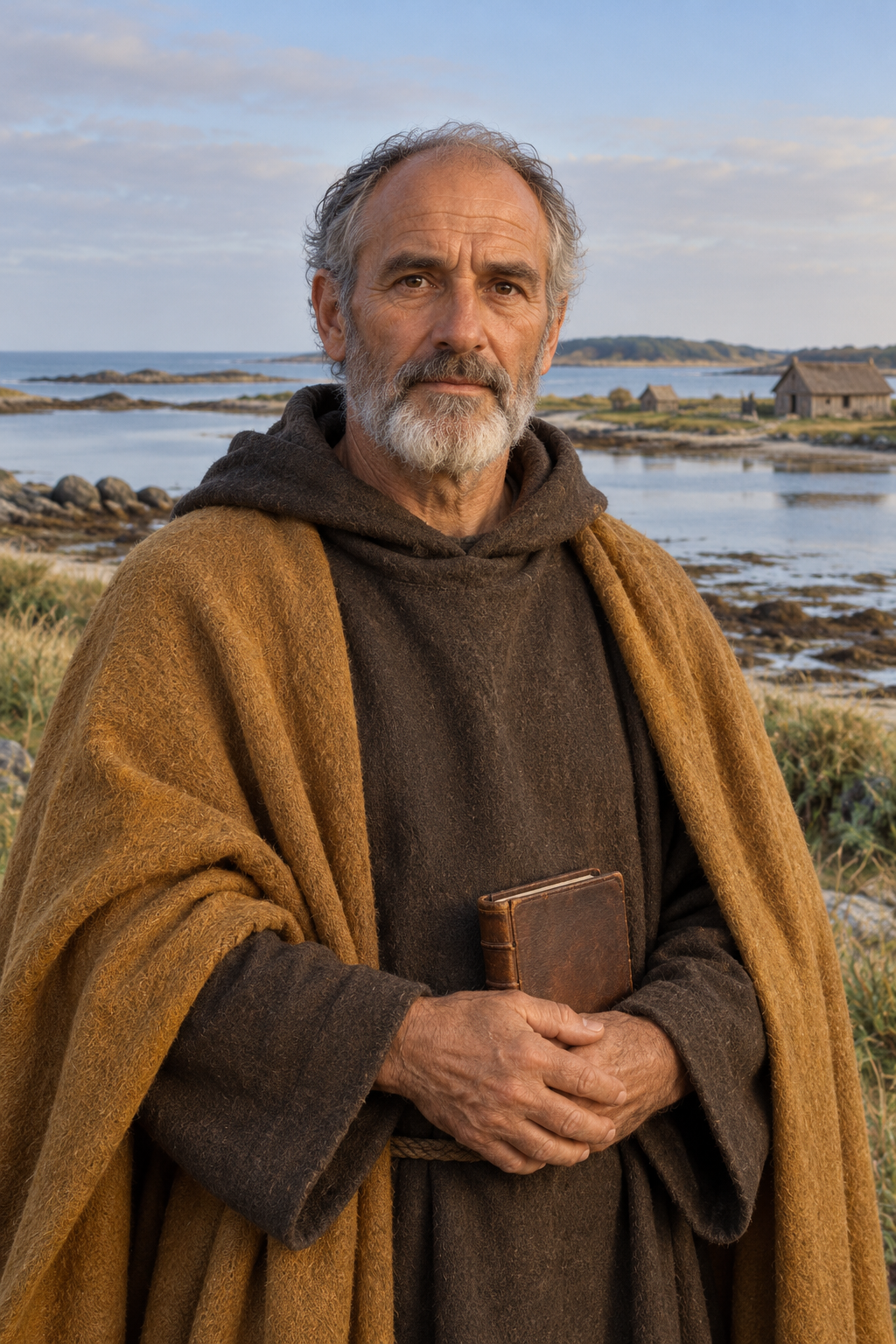
About Philibert of Jumièges
Philibert was a monastic founder associated with Jumièges beside the Seine and Noirmoutier on the Atlantic coast. The critical editor Wilhelm Levison identifies independent support for these foundations, including royal assistance at Jumièges and Bishop Ansoald’s donation to the island community in 677.
His surviving Life is a later account. Levison places it probably in the later eighth century and rejects its former attribution to Ermentaire. He distinguishes details supported by other evidence from stories that depend on this biography alone.
The Life describes Philibert entering Rebais under Agilus, succeeding him as abbot and visiting other monasteries to learn their practices. It presents him studying several monastic traditions, including those of Benedict and Columbanus. It also credits him with using a share of his resources to ransom captives and feed the poor, sending monks overseas for that purpose.
Its account of his political troubles is less peaceful. Philibert confronts Ebroin, rejects his gifts and refuses communion with him. The writer says that hostile reports persuaded Ouen, bishop of Rouen, to imprison Philibert. After his release, he joins Ansoald in Poitou. The later reconciliation is mutual: Ouen and Philibert ask one another’s forgiveness. These episodes come from the saint’s Life and should not be mistaken for an impartial contemporary account.
Levison accepts Noirmoutier as the place of his death and August 20 as its traditional day, while leaving the year unresolved. The often-repeated precise years go beyond what he considers established.
Philibert’s memory later travelled with his community. Claude Bouhier describes Ermentaire’s account of the transfer of the relics from Noirmoutier to Déas in 836. Its reported miracles helped present Déas as a pilgrimage destination; they are devotional narratives rather than independently demonstrated cures.
The Tournus heritage account records that monks arriving in 875 brought the relics of Philibert, their patron. The abbey church there later became a parish church.
The Diocese of Luçon honors him as its secondary patron, with a memorial on August 23.
Nominis also records an August 20 local feast.
Wondering how to weigh the stories and sources? Learn how to read a saint biography.