Biography
Phocas
About Phocas
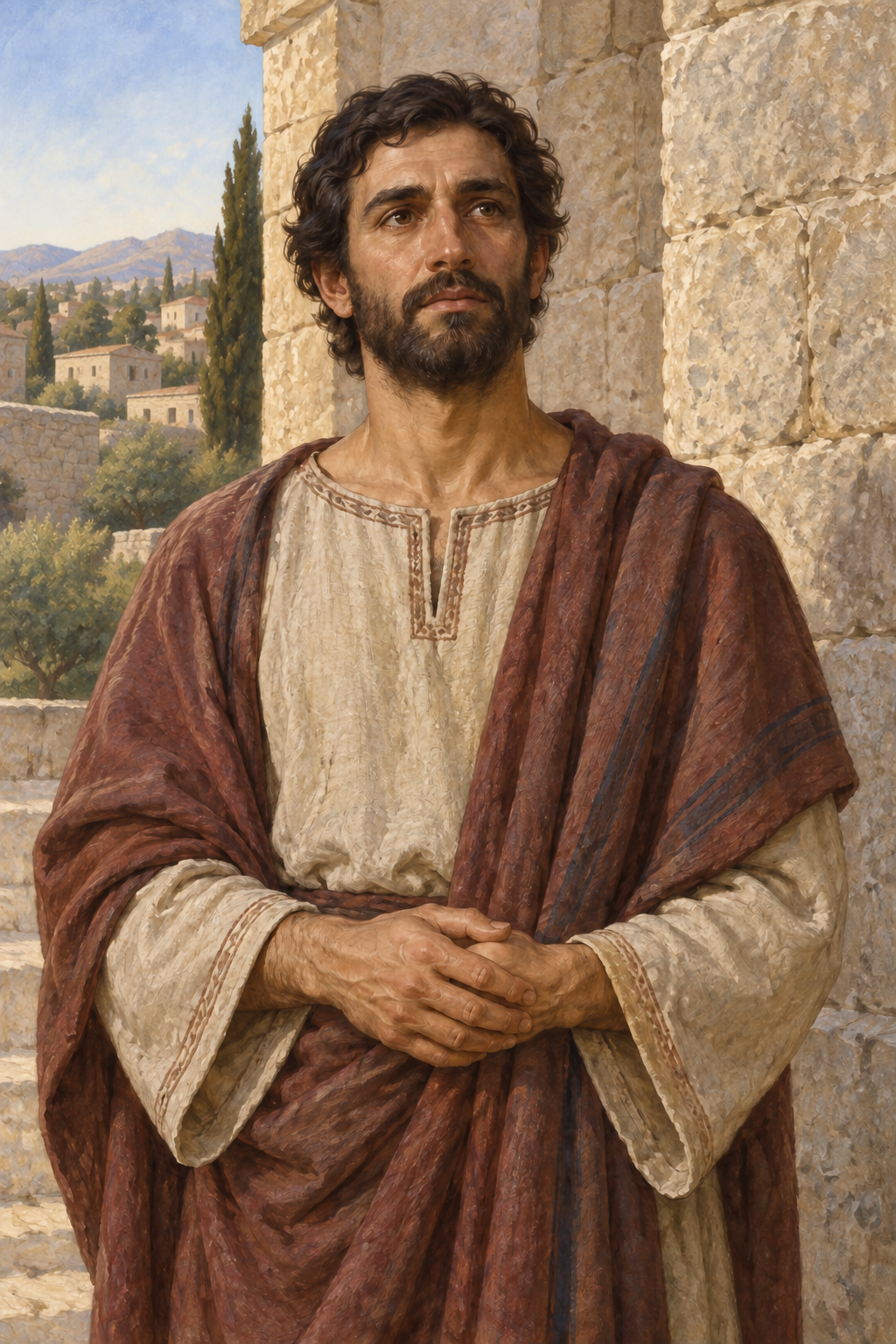
The inherited March 5 feast points to Phocas of Antioch. The older Roman martyrology calls him a martyr there and tells of devotion at a basilica associated with his name. It reports that a person bitten by a serpent could touch the shrine door in faith and be healed. This is a witness to how later Christians remembered and approached a saint, not an independently verified account of an individual cure. The calendar gives no birthplace, occupation, family, age, or exact death year. It also does not describe a trial or a method of execution. The structured record therefore uses March 5 as a commemoration and martyr as a cult title, while leaving the life dates and precise life places blank. Antioch is the place named by the cult witness, not a proved birth or death location.The Antioch cult appears beyond the calendar. An Egyptian amulet dated by handwriting to the sixth century invokes Saint Phokas while asking protection from reptiles near a household entrance. Oxford's edition identifies this figure as the Antioch martyr because of the reptile theme and the separate notice of a shrine known for snakebite cures. The physical document matters even if one cannot affirm the protection it promised. It demonstrates that a name and a particular devotional use circulated as far as Egypt centuries after the saint's presumed life. The amulet does not reveal who commissioned it, where Phocas was born, or when he died. It cannot be converted into a date for martyrdom or evidence that the claimed cure happened.The Acta Sanctorum editors surveyed Latin martyrologies that name a Phocas of Antioch on March 5. The manuscripts vary in spelling and sometimes attach an episcopal title. The editors caution that copying and neighboring entries can create mistaken links between saints. They also distinguish this Antioch commemoration from two traditions centered on Sinope on the Black Sea: a gardener and a bishop who bear the same name. The distinctions matter here because the gardener's widely retold story of hospitality and death is much fuller than the Antioch evidence, and it would be easy to make this profile seem complete by importing it. A fuller story belonging to a same-named figure would be false precision. The Antioch record should rest on its own calendar and cult evidence.A later Christian reader might encounter the serpent tradition as a sign of intercession. The careful historical statement is narrower: an older calendar relays the shrine claim, and a sixth-century amulet confirms that people sought protection through Phocas's name. The reported efficacy of the shrine remains part of the received devotional story. Nothing in these reviewed sources requires a scene of a snake, a household ritual, or a specific miracle in Phocas's own lifetime. Nor do they establish a profession such as gardening or an office such as bishop for the Antioch figure. The title martyr comes from the calendar's remembrance, while the evidence for the circumstances of his death is lacking. Keeping those distinctions visible lets the profile offer a real account of his cult without disguising silence as biography.A modern Roman calendar rendering associates the March 5 name with the gardener of Sinope while mentioning Antioch, so the Catholic calendar now reflects a reidentification or conflation of traditions. The older Antioch cult still has its own evidence in the amulet and martyrology, but the calendar date cannot be presented as an unambiguous modern Catholic separation. The public profile should explain that tension clearly. The portrait is intentionally general: one person in simple ancient clothing near stone buildings, with no gardener's tools, bishop's vestments, snakes, or enacted cure. It is an imaginative devotional representation rather than a likeness or a claim that the scene happened. What survives most clearly is a named Antioch devotion whose relationship to the Sinope stories remains contested in the calendars.
Wondering how to weigh the stories and sources? Learn how to read a saint biography.