Biography
Pinytus
About Pinytus
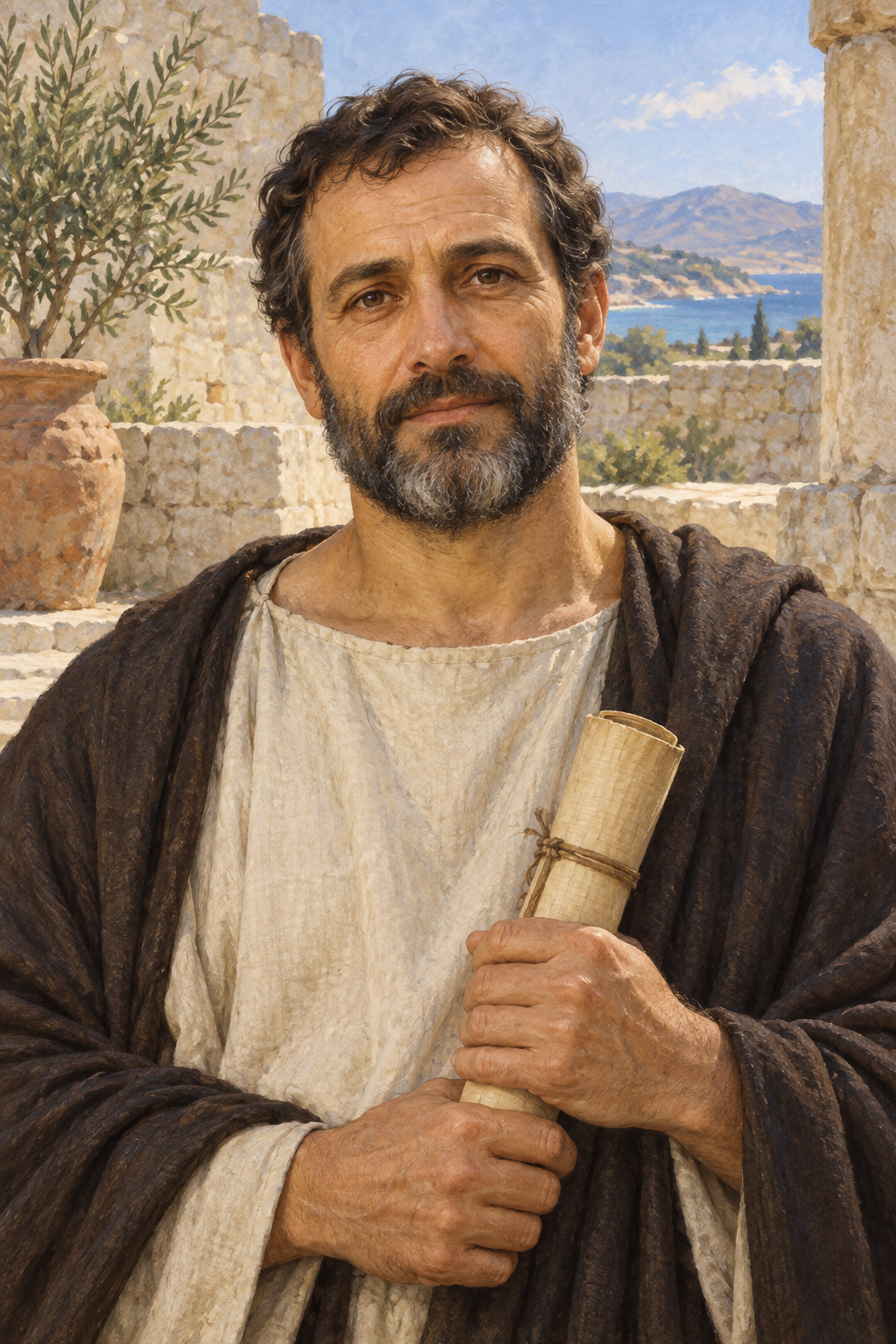
Pinytus comes into view through an early history of the church rather than a later miracle story. Eusebius of Caesarea calls him bishop of the community at Cnossus on Crete and recounts an exchange of letters with Dionysius, bishop of Corinth. This locates him among the leaders of Christian communities in the eastern Mediterranean during the second century. It also gives a rare glimpse of pastoral discussion across churches. Eusebius wrote long after the exchange, but he was describing letters then available to him. The original correspondence has not survived for direct comparison. The evidence is therefore strong for Pinytus's office and the existence of the exchange, while its exact words and full setting remain beyond recovery. The reviewed sources say nothing secure about his family, birthplace, education, or date of ordination.The issue Eusebius summarizes concerned chastity and the burdens placed on members of the church. Dionysius urged Pinytus not to lay a heavy compulsory obligation on the whole community without regard to people's weakness. That appeal tells us what Dionysius thought needed saying; it does not by itself provide a complete record of rules Pinytus had enacted. Pinytus answered with praise for Dionysius and a request that future teaching provide stronger nourishment for mature believers. Eusebius presents the reply as evidence of Pinytus's learning and concern for those entrusted to him. Modern readers need not flatten this exchange into a simple winner and loser. The summary preserves a real disagreement about pastoral demands, but the lost letters prevent a reliable reconstruction of all the reasons on either side.The exchange also suggests that Pinytus was taken seriously by another bishop and by Eusebius. His reply is not reported as silence or dismissal; it engages Dionysius and presses for teaching he considered more substantial. Eusebius praises his orthodoxy, learning, and care for the community. These are Eusebius's judgments, not independent access to Pinytus's whole ministry. The correspondence cannot tell us whether Pinytus changed a practice after receiving counsel, nor whether his congregation held one view. A later commentator's assertion of a change would need its own evidence. The source-grounded public account should keep the pastoral concern and the limits of what can be known side by side. His long-term effect on Cnossus is plausible but not quantified in the surviving summary.Catholic commemoration supplies a later public setting for his name. The older Roman martyrology places Pinytus on October 10 and calls him a notable bishop on Crete. The French Bishops' Conference's Nominis record also gives October 10 as a local feast and repeats the Roman martyrology's Cnossus identification. Its approximate dates vary between header and text. Eusebius and the calendar make a second-century ministry credible, but neither supplies a death certificate or an exact year for either end of his life. The October day is a feast, not necessarily an anniversary of death. Cnossus is his see, not a proved birthplace or burial place. The catalog can use the secure office and feast fields while leaving precise birth and death dates empty.Pinytus's surviving image is thus a small but meaningful one: a bishop whose written exchange concerned how to guide a community without neglecting either demanding teaching or human frailty. The central witness is Eusebius's summary; the church calendars explain the later commemoration. No reviewed source describes his face, clothing, or the original letters' appearance. The portrait uses a tied papyrus as a general sign of correspondence, not as a copy of a surviving document, and avoids later ceremonial bishop's dress. This restraint helps the page speak clearly to readers about a real named figure while keeping visual and written interpretation separate from evidence. His record needs no invented miracles, exact death year, or complete life chronology to be useful.
Wondering how to weigh the stories and sources? Learn how to read a saint biography.