Biography
Pisentius of Qift
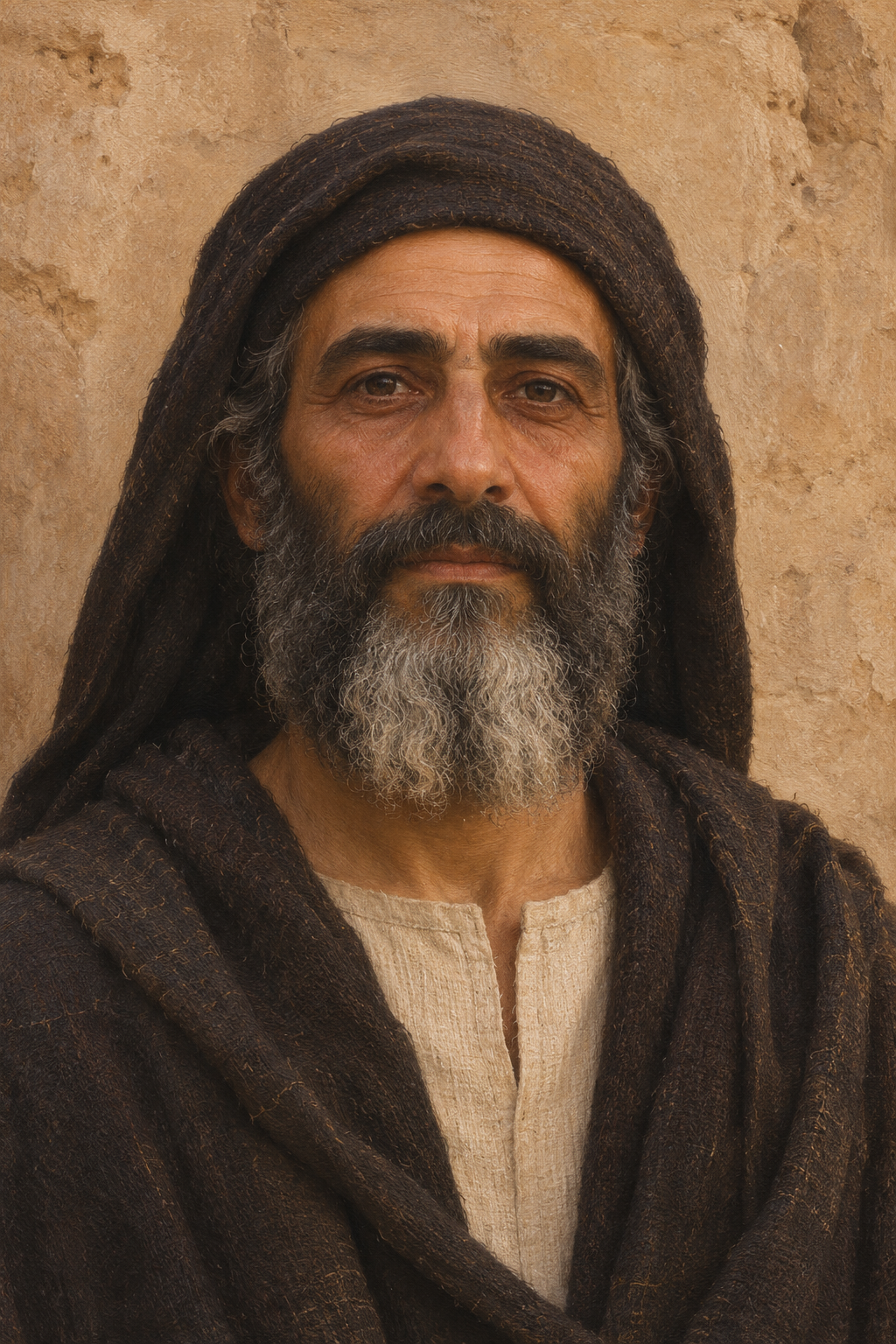
About Pisentius of Qift
Pisentius, also called Pesynthios, was a monk and bishop of Qift in Upper Egypt in the late sixth and early seventh centuries. The Coptic Encyclopedia places his birth around 569 in the Hermonthis district and his death in 632. The surviving evidence is unusually varied: he is known through later Lives and encomia, writings attributed to him, and a large group of administrative letters on papyrus. These bodies of evidence should be distinguished because hagiography and office correspondence answer different questions about his life.
The Life says Pisentius entered Apa Phoibammon’s monastery as a child, around seven, and studied there for sixteen years. Those ages belong to the received narrative. He later lived as an ascetic west of the Nile near Thebes. According to the encomium, clergy from Qift sought him at Jeme after he withdrew from a public appointment. They brought him to Patriarch Damian, who consecrated him bishop around 599. The story frames his acceptance of office as obedience despite his preference for monastic solitude.
The documentary record adds a practical dimension to the image of a monk-bishop. More than seventy papyri have been associated with Pisentius’s archive. The papers touch on public administration, family and property matters, church discipline, and communications with clergy and officials. The archival attribution is not automatic: scholars distinguish letters clearly addressed to the bishop of Qift from material that may concern another Pisentius, bishop of Hermonthis. Even with these limits, the correspondence brings the bishop into view as a working administrator in a changing society. In some cases an individual letter can illuminate those relations, but a name alone is not enough to assign a papyrus confidently to this bishop.
Phil Booth examines a circle of Egyptian bishops active around the end of Roman rule. The evidence indicates that Pisentius’s episcopate began under Damian and extended into the Persian occupation of Egypt in 619–620. Documents associated with his office connect him with rural clergy and local disputes. They reveal consultation across neighboring sees, though they do not show whether he possessed formal authority over other bishops or whether they deferred to his reputation.
The narrative sources portray the demands of pastoral office through episodes rather than registers. John the Presbyter’s Life depicts Pisentius advising his brother and a companion not to seize a poor man’s ox and not to use legal proceedings harshly against a debtor. The conversations cannot be treated as transcripts, but they express a picture of a bishop concerned about unequal power in property and debt disputes. Other stories remember preaching, visiting churches, and helping people in need.
The sources also remember Pisentius confronting the strains of ecclesiastical leadership. A council involving the bishops of Qift, Qus, and Ape addressed a dispute concerning an archimandrite at Psenhôr. Booth cautions that the surviving papers do not establish how far Pisentius exercised jurisdiction beyond his own see. This distinction matters: they support a portrait of an influential bishop engaged in regional affairs, but not a claim that he governed the neighboring dioceses.
His Lives recount miracles, healings, visions, and dramatic meetings. These remain part of the received Coptic tradition, not independently verified events. Renate Dekker notes that the Encomium is a work of praise whose biblical interpretation and idealized scenes shape its presentation. Later Bohairic and Arabic versions rearrange or amplify episodes. Rather than read them as a single chronological biography, it is more accurate to see how successive communities emphasized an ascetic bishop who joined contemplation to public service.
Pisentius was commemorated on 13 Abib, and his memory spread beyond Qift. Coptic and Nubian objects, including lamps invoking his name, attest a wider cult. They do not establish details of his appearance or life, but show the reach of his posthumous reputation. His historical importance rests on the unusually rich intersection of texts: a local saint’s Life, episcopal correspondence, and documentary traces of communities around Thebes during a period of political transition.
Van der Vliet describes the papyri as records of cases brought before the bishop and argues that, together with other Theban documents, they illuminate local social networks and the rise of the Miaphysite church under Damian. They make Pisentius visible among clergy, monasteries, and lay petitioners, while the similar name of the bishop of Hermonthis requires care in assigning individual documents.
During the Persian invasion of 619, the encomium says Pisentius withdrew into the mountains of Western Thebes with his disciple John and remained there for about ten years. Letters addressed to him were found at the Monastery of Epiphanius near Sheikh Abd al-Qurna, an independent documentary trace that places his residence in the same region. The narrative says he later returned to Tsenti and died in 632. His retreat therefore joined a period of political danger to a renewed monastic life, while his correspondence remained tied to communities and clergy in the Theban area.
Wondering how to weigh the stories and sources? Learn how to read a saint biography.